
Bespoke Restaurant Uniforms
“It’s about creating garments”

Laurent Guinci
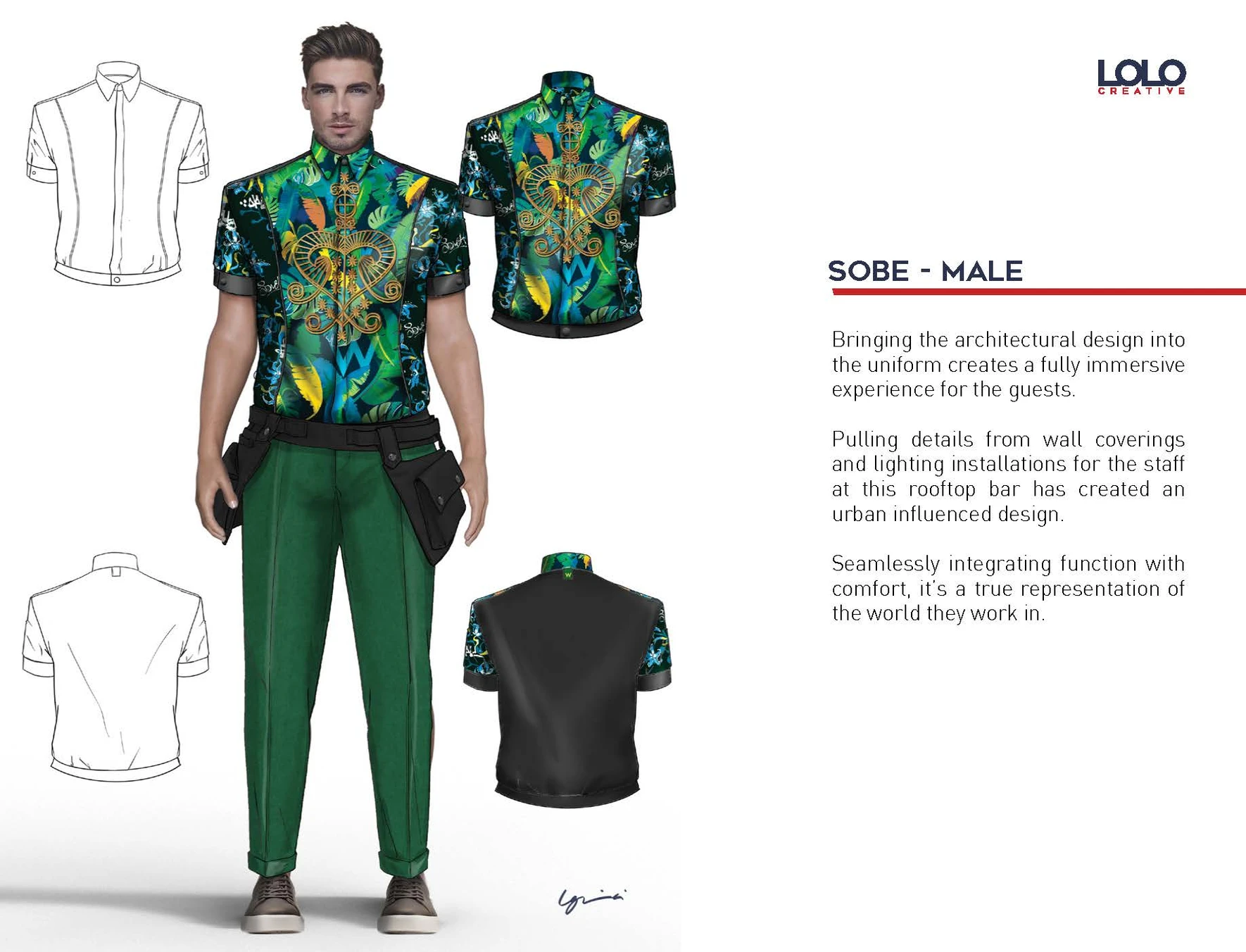
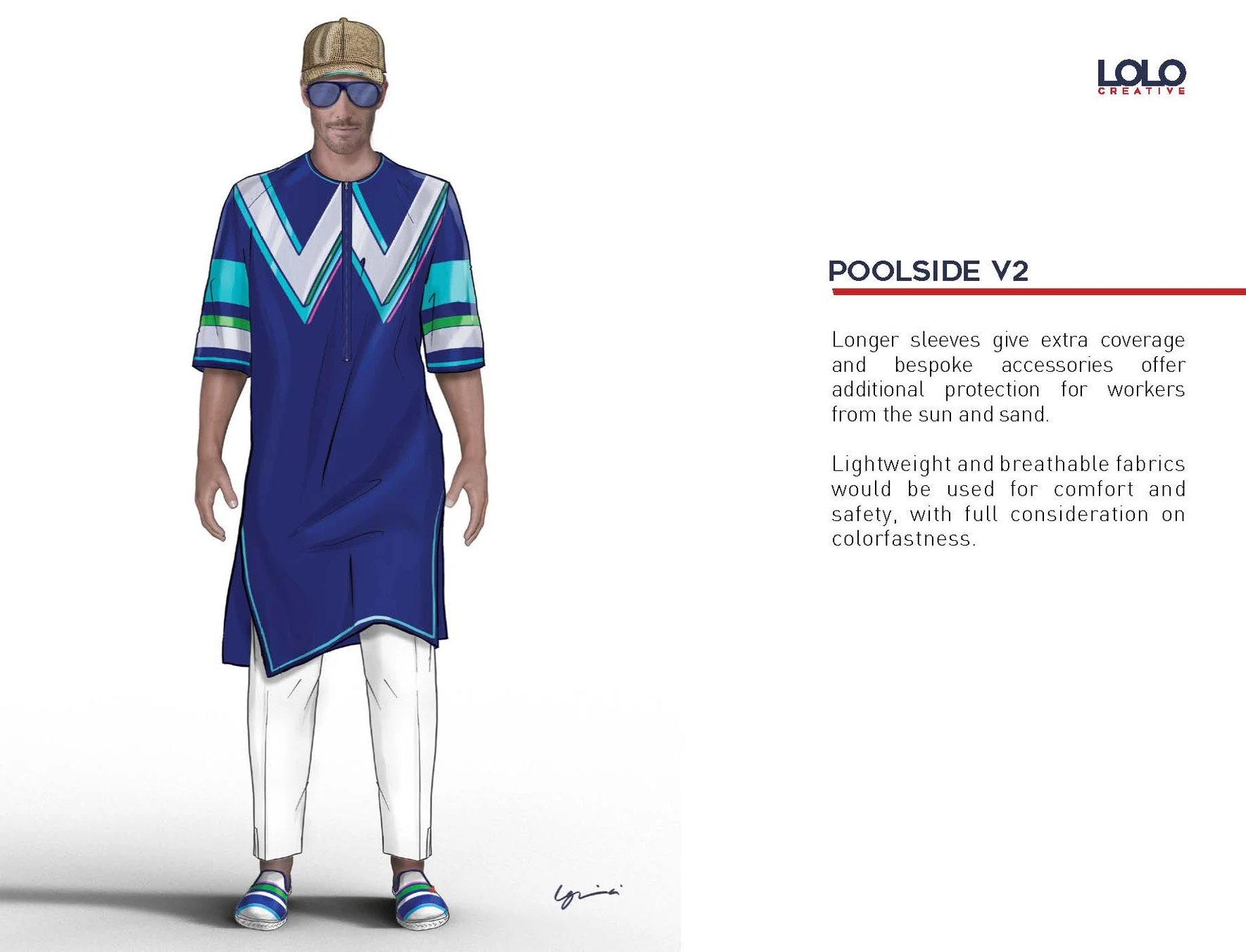
Designing costumes or uniforms for live environments is far more complex than it appears. It isn’t about sewing clothes. It’s about creating garments that look perfect under bright lights, withstand constant use, allow movement, breathe in heat, wash well, and still deliver the same visual impact day after day.
Most design or production teams underestimate the expertise required. They treat it as an extension of fashion design or simple tailoring. The result is predictable: materials break down, performers overheat, seams fail, silhouettes distort, and replacements drain time and budgets.
That’s where LOLO makes the difference. Our clients work with us because they don’t want to learn through trial and error. They want it done right the first time. Every project we take on benefits from decades of hard-won experience designing for film, theme parks, live entertainment, and luxury environments. We know how fabrics behave under heat, movement, sweat, and washing. We know how to combine durability with beauty, and comfort with precision.
You don’t need to know how to design a performance-ready costume or a service uniform that lasts. That’s our job. We guide you through each decision, advising on structure, materials, fit, and maintenance so you avoid costly mistakes.
When you work with LOLO, you don’t hire a supplier. You gain a partner who understands how to bring cinematic quality to practical, commercial use. Whether dressing a park team, a concert performer, or a five-star hotel staff, every detail is engineered for real-world performance.
LOLO exists for clients who want something special, not standard. We don’t chase volume or trend. We focus on projects where excellence matters and where design serves experience. That’s why the world’s leading entertainment brands, restaurants, and resorts trust us with their most visible people—the ones guests remember.

Film-level design discipline
LOLO brings film-level design discipline to every environment where people perform, serve, or represent a brand. Our approach blends creative vision with technical precision, ensuring every costume and uniform performs flawlessly under real conditions.
We treat each project as a collaboration. From the first meeting, we work with you to understand your environment, operations, and audience. That knowledge shapes the design, materials, and construction. Whether your performers need unrestricted movement, your restaurant staff need breathable elegance, or your park teams face weather and wear, every decision is made with purpose.
Our expertise lies in the detail most people miss. We engineer linings for airflow, choose fastenings that last through hundreds of uses, and balance form with comfort so garments look as good in motion as they do in design sketches.
We control every stage in-house, from concept design to final fitting. That ensures consistency, accountability, and efficiency. Our process is transparent, so you always know what’s being done, why, and when it will be delivered.
The result is a finished product that looks effortless but is anything but. Garments that elevate experiences, reinforce storytelling, and last season after season.
When you work with LOLO, you gain:
• Expert guidance at every step, removing the guesswork.
• Cinematic quality that enhances your brand’s world.
• Practical design that performs in real use, not just on paper.
• Proven reliability backed by experience with the world’s leading studios, parks, and hospitality brands.
LOLO delivers confidence as much as design. You’ll know the final result will fit perfectly, function beautifully, and represent your vision with integrity.
Trusted by Leading Brands
The world’s top studios, resorts, and restaurants rely on LOLO for costume and uniform design that delivers beauty, function, and consistency under pressure.







Proven Experience. Real Results
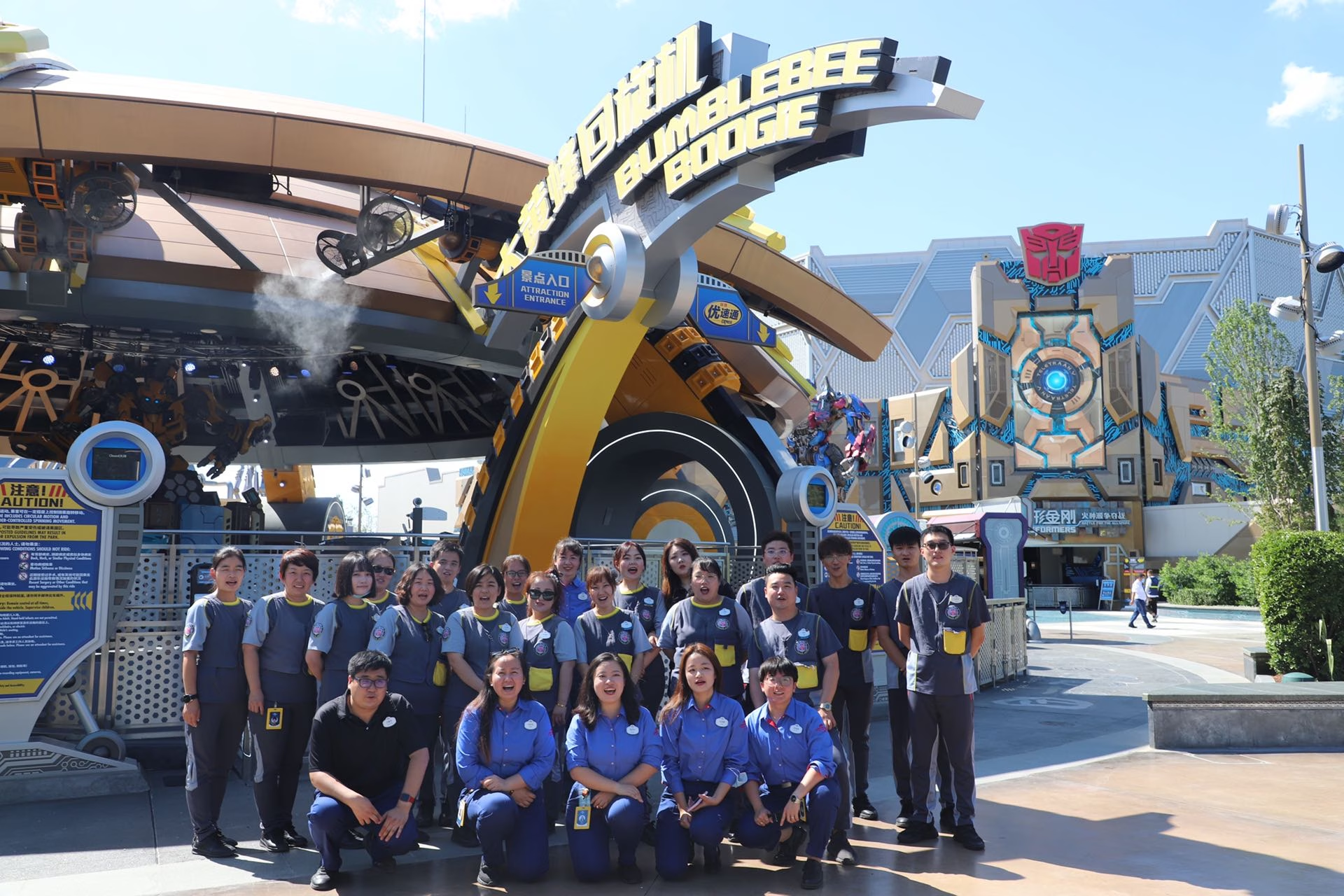
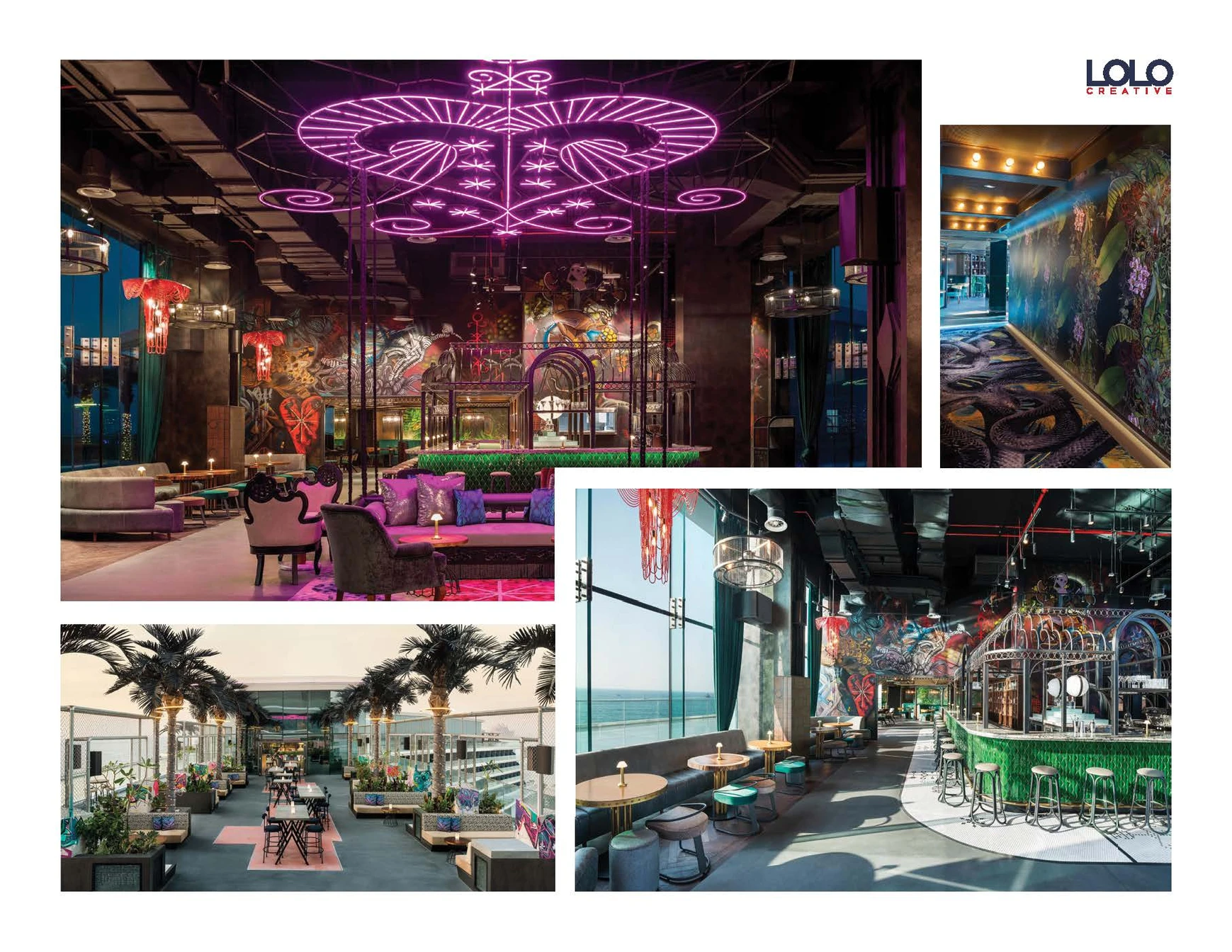
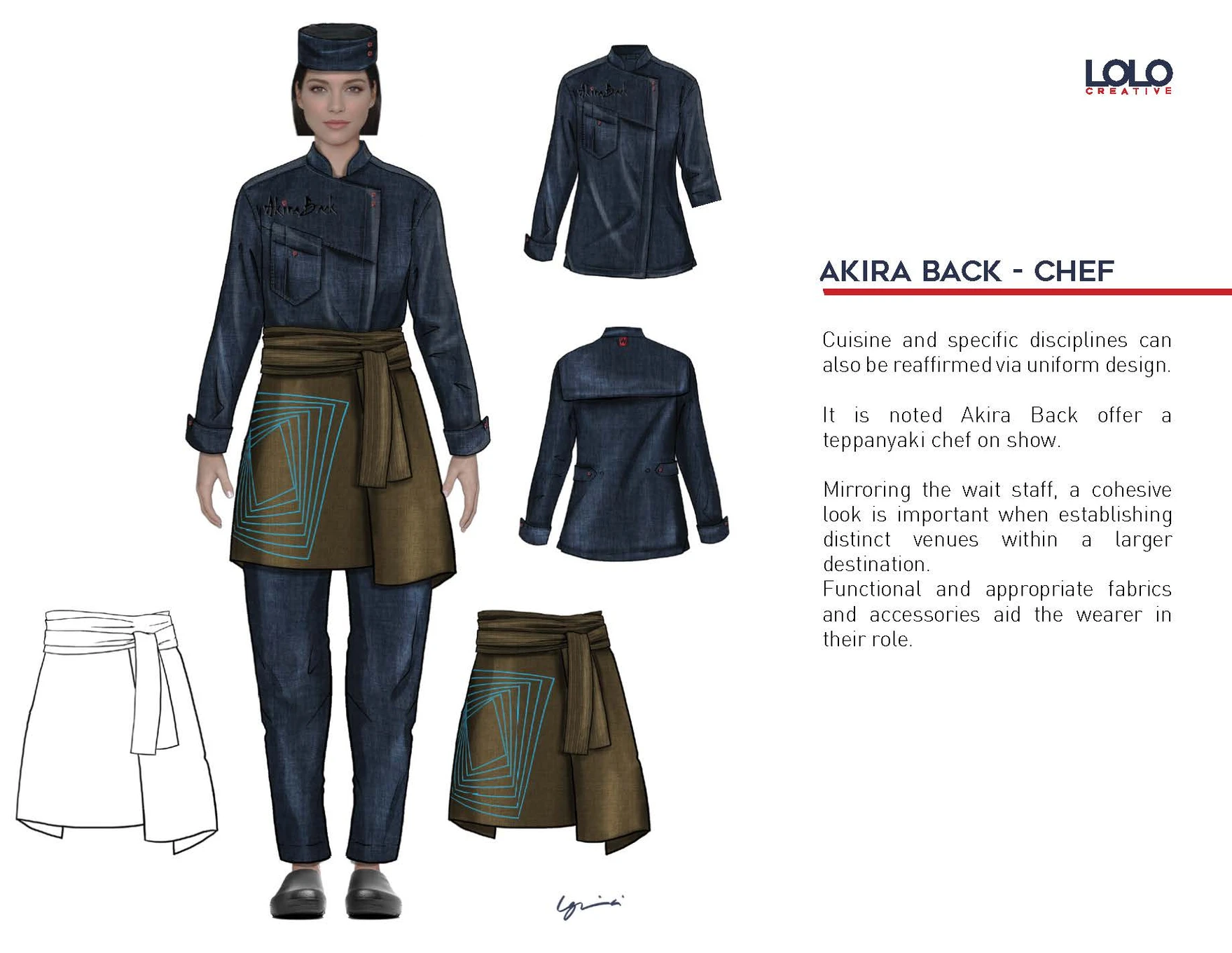
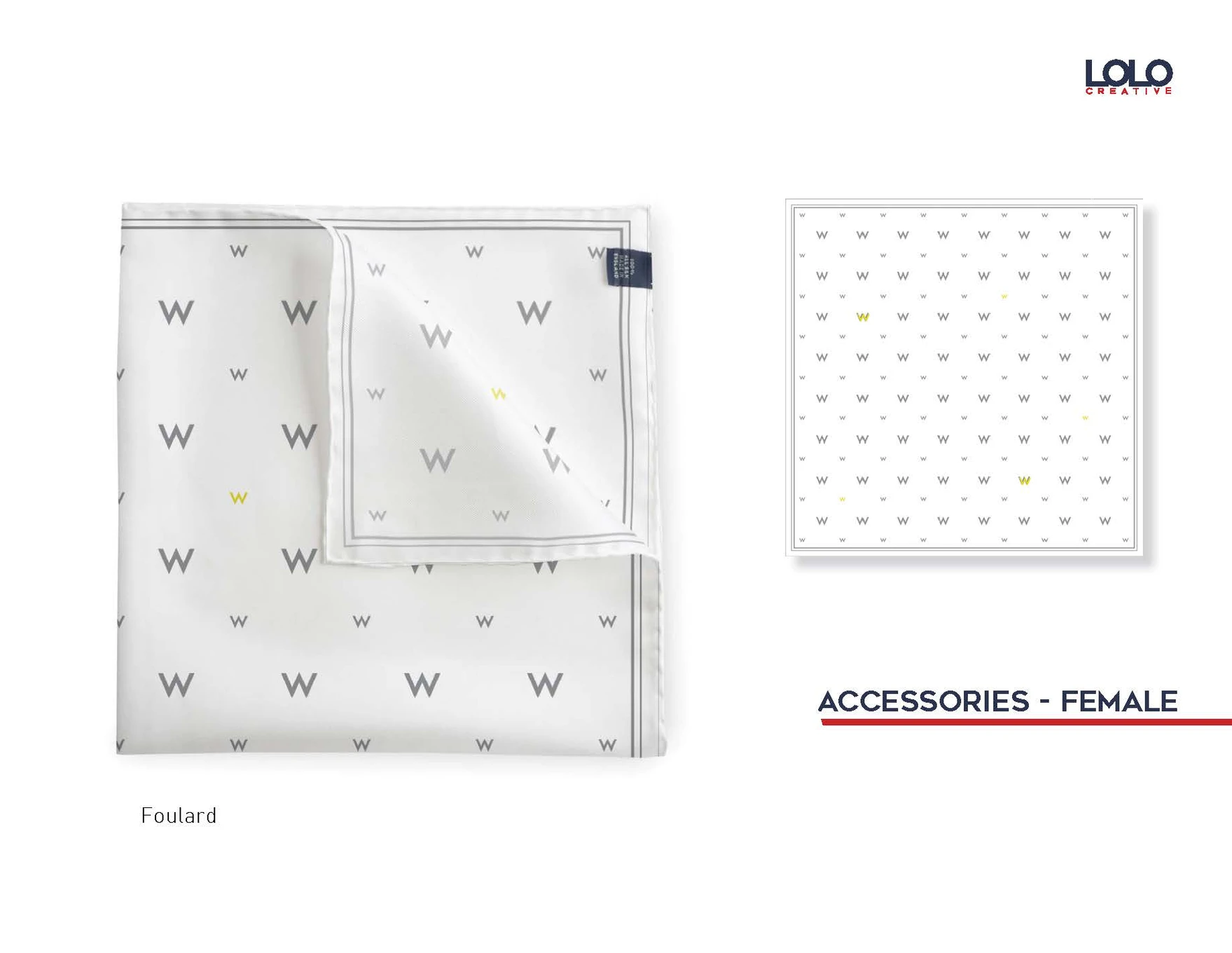
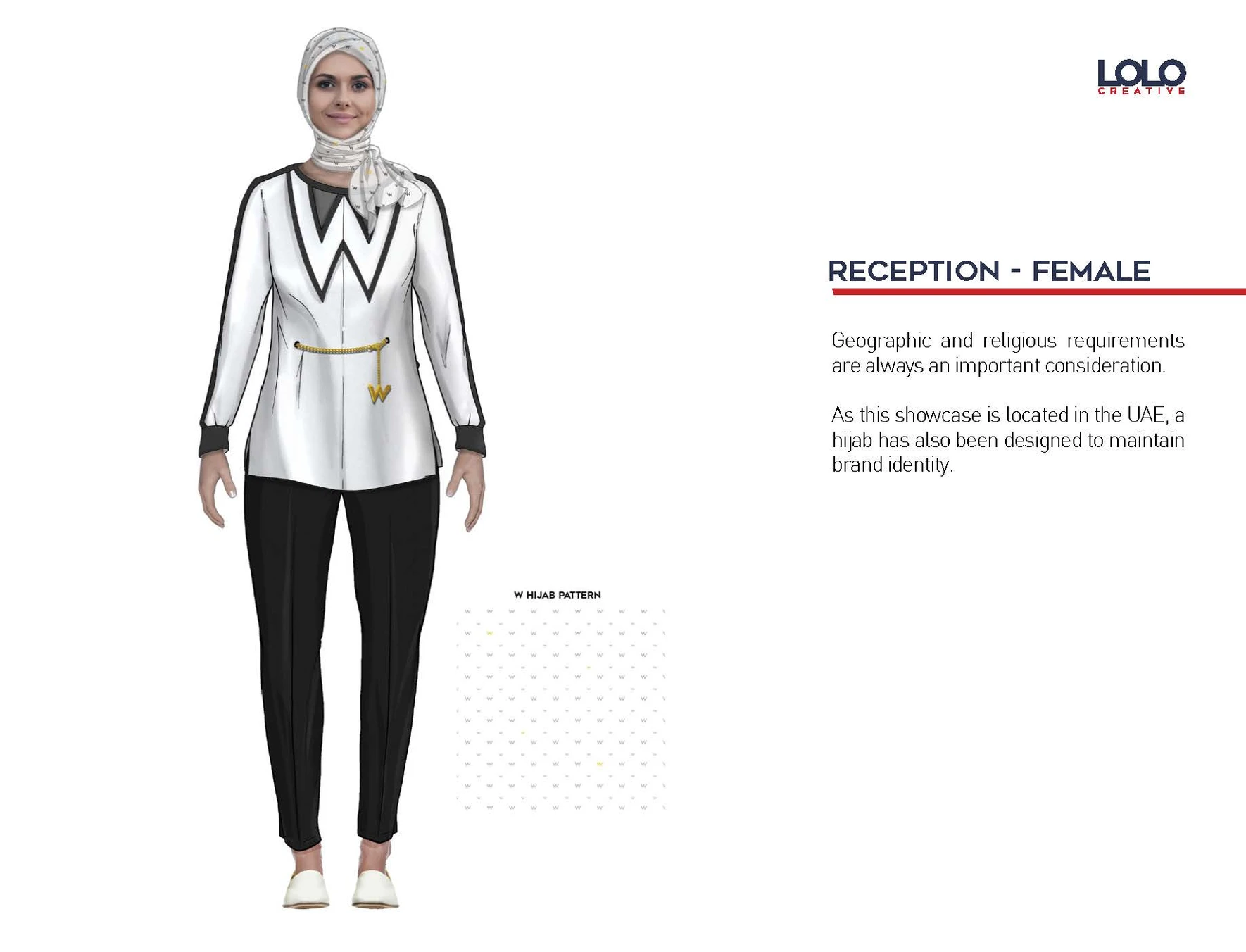
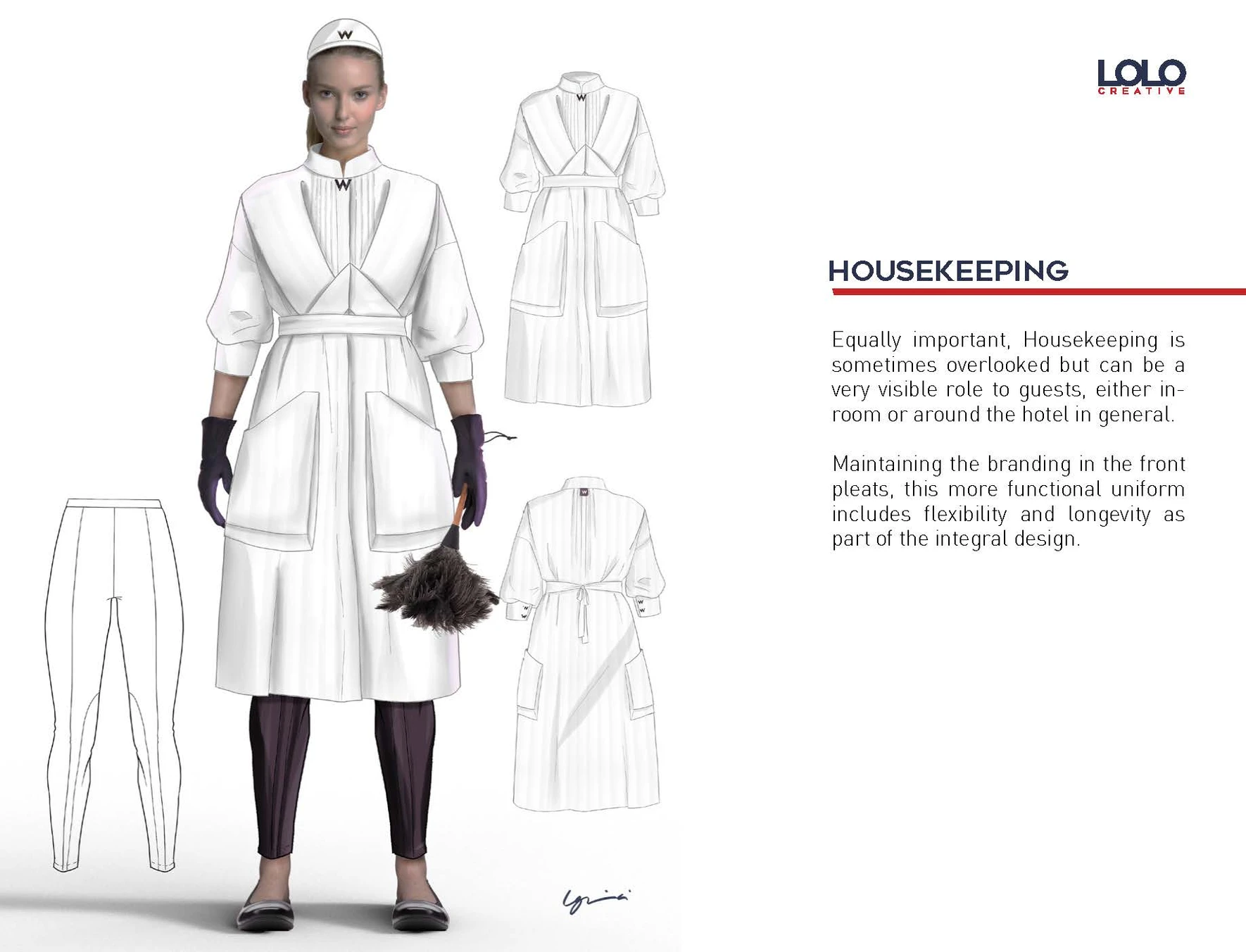
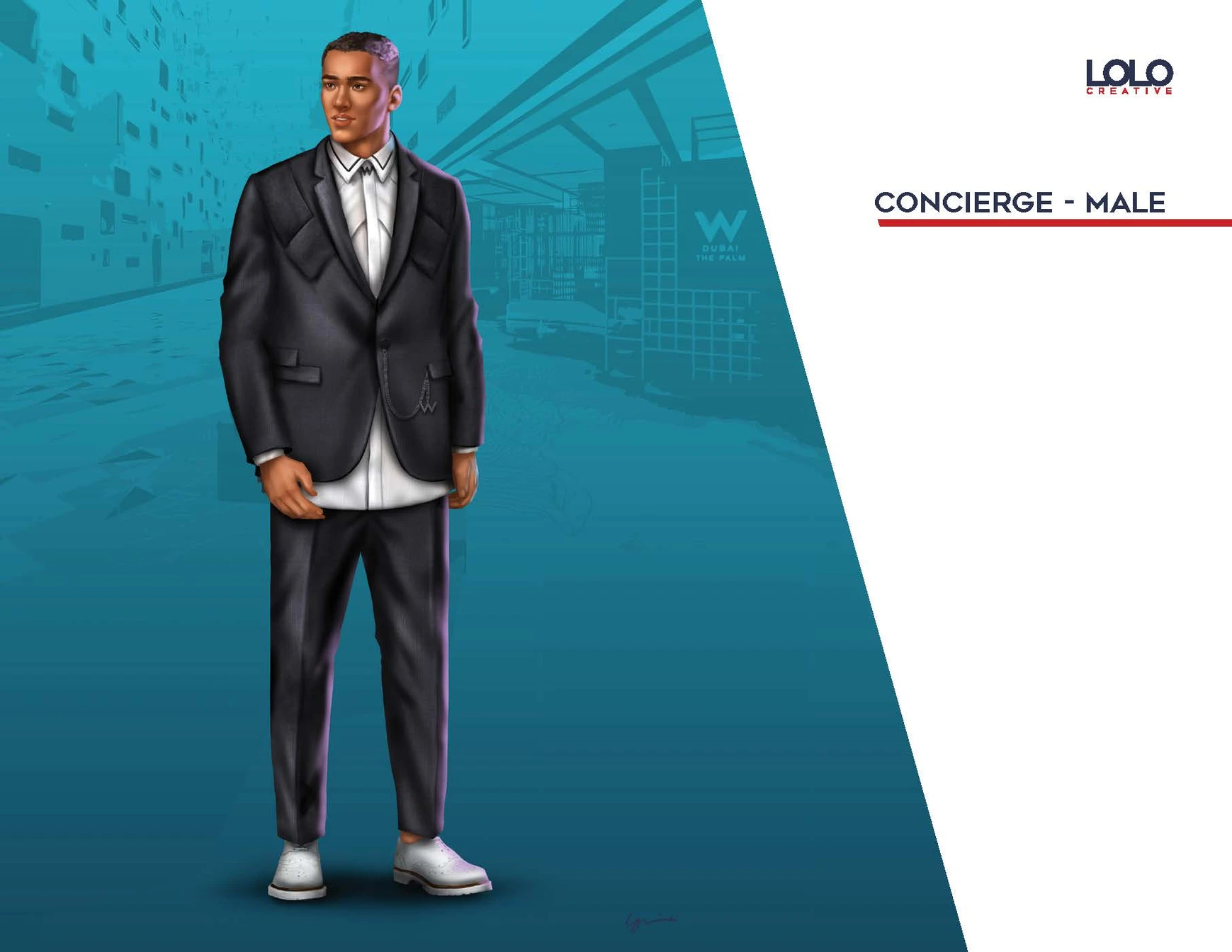
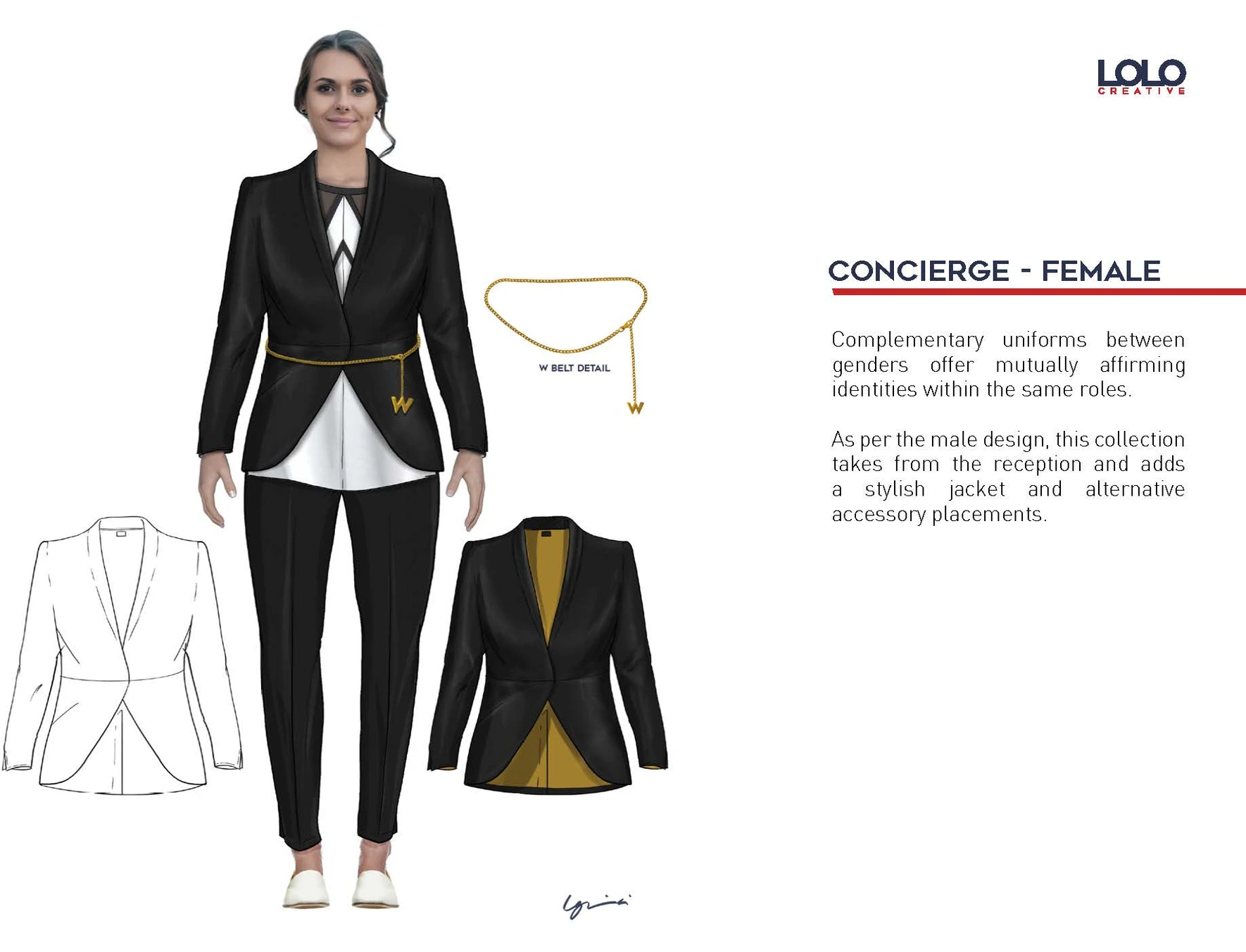
Every project begins with a story and ends with a transformation. LOLO’s work spans major theme parks, global entertainment brands, and luxury hospitality environments. Each design is built for impact, endurance, and authenticity.
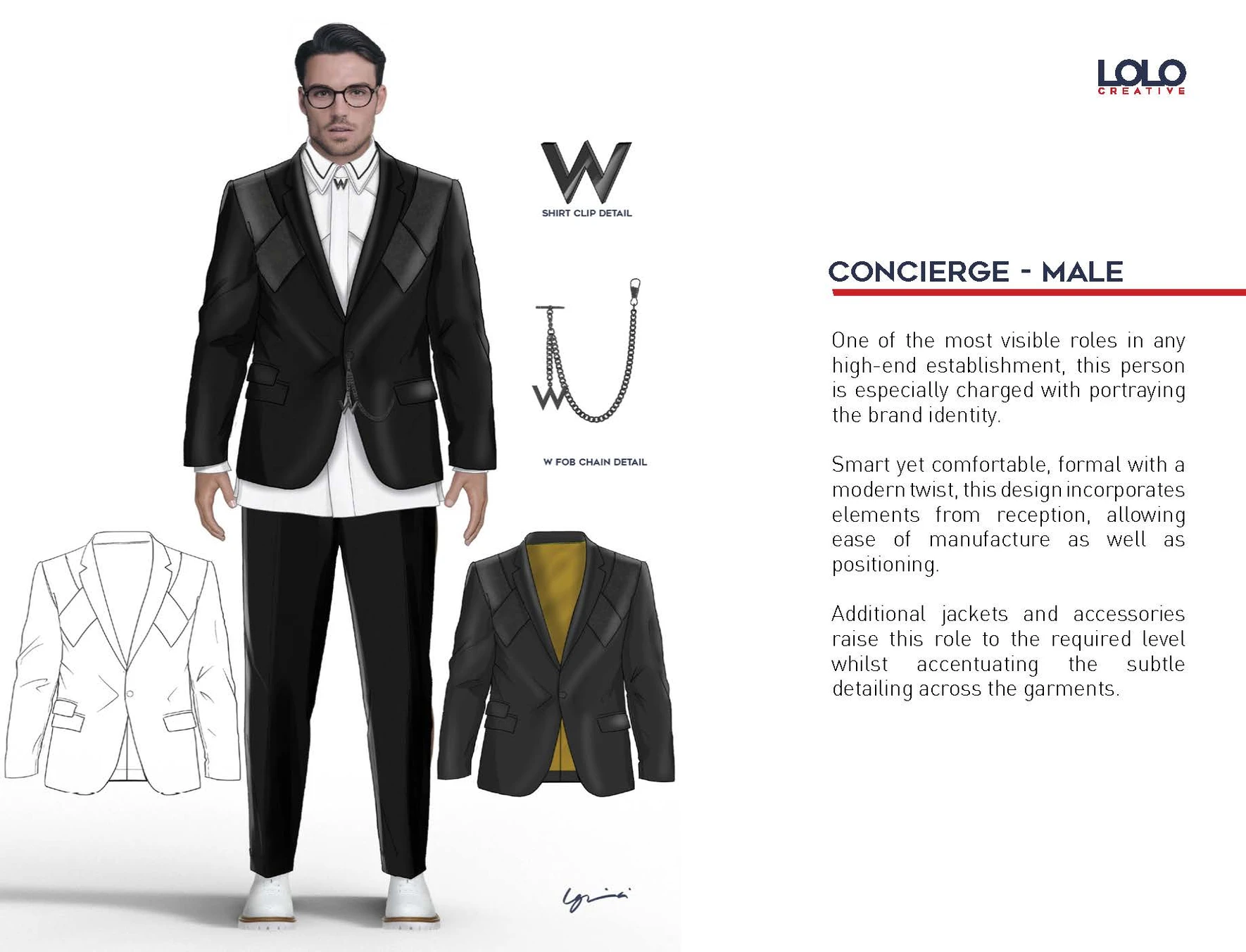
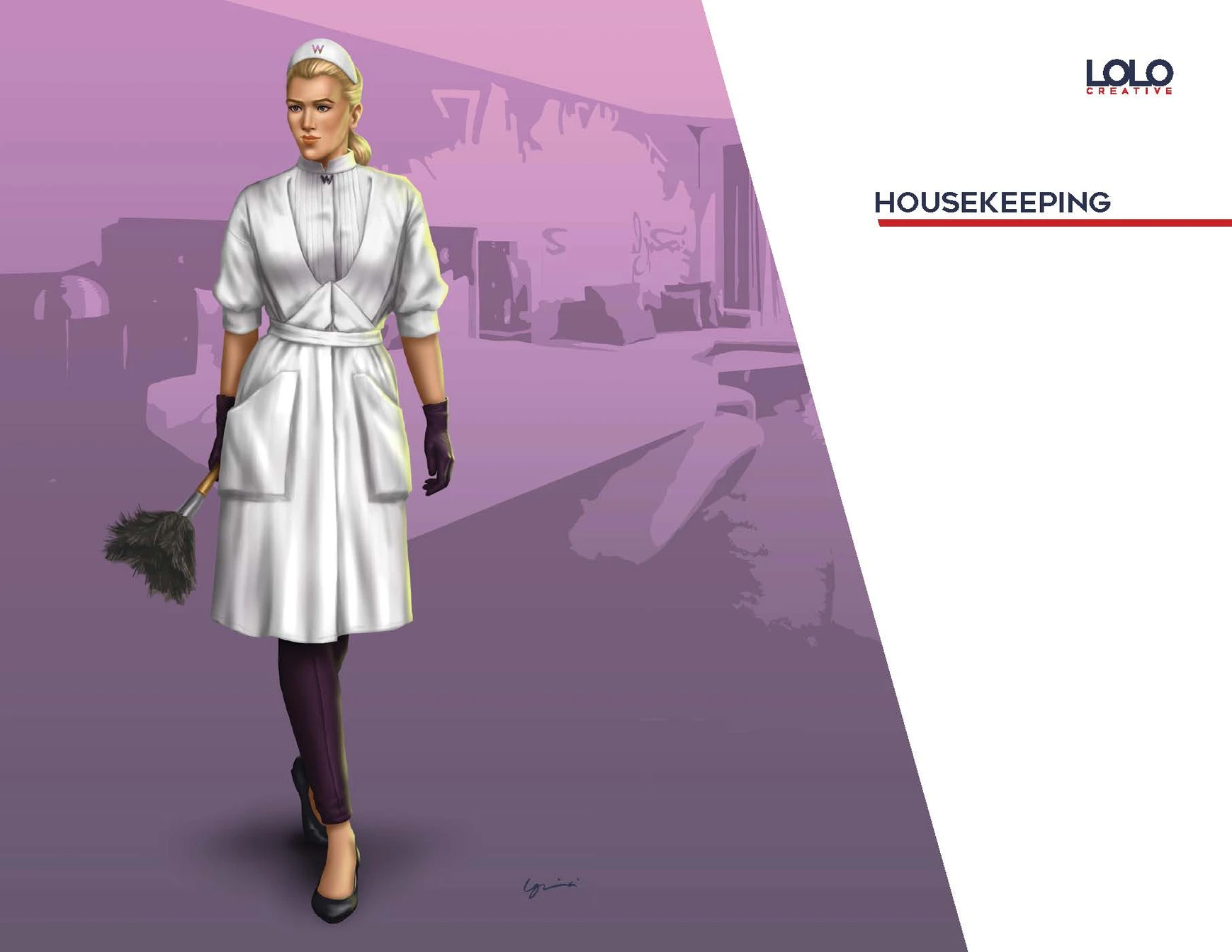
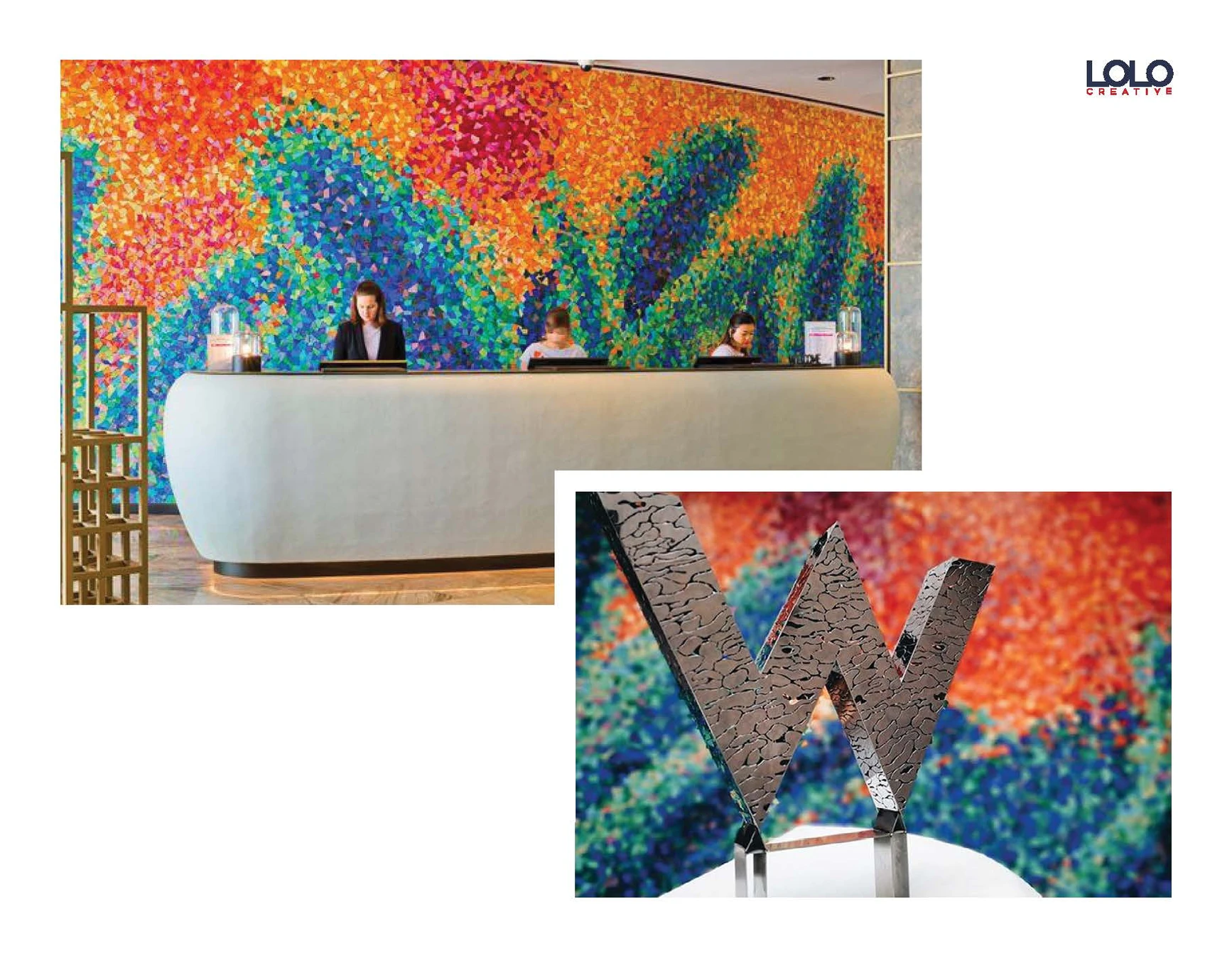
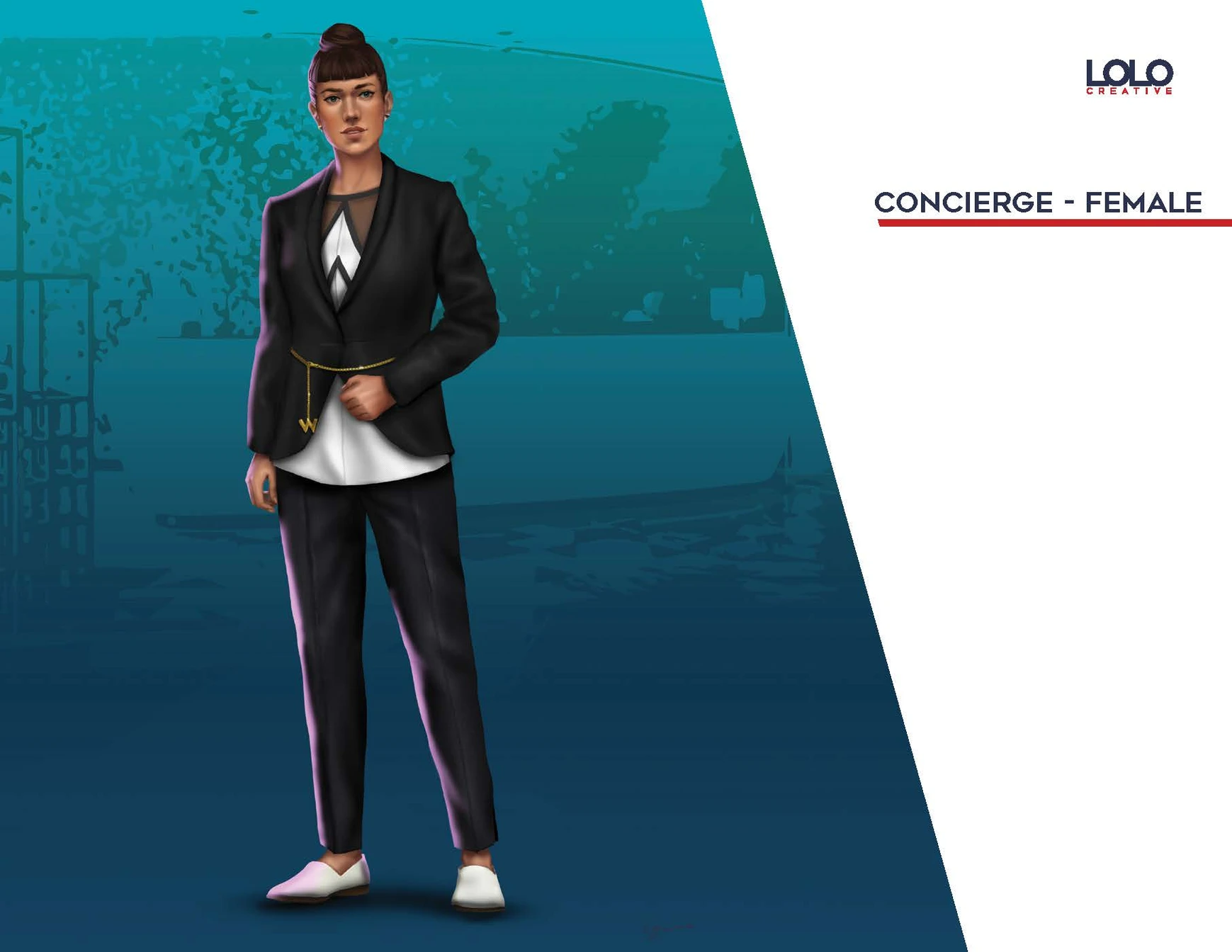
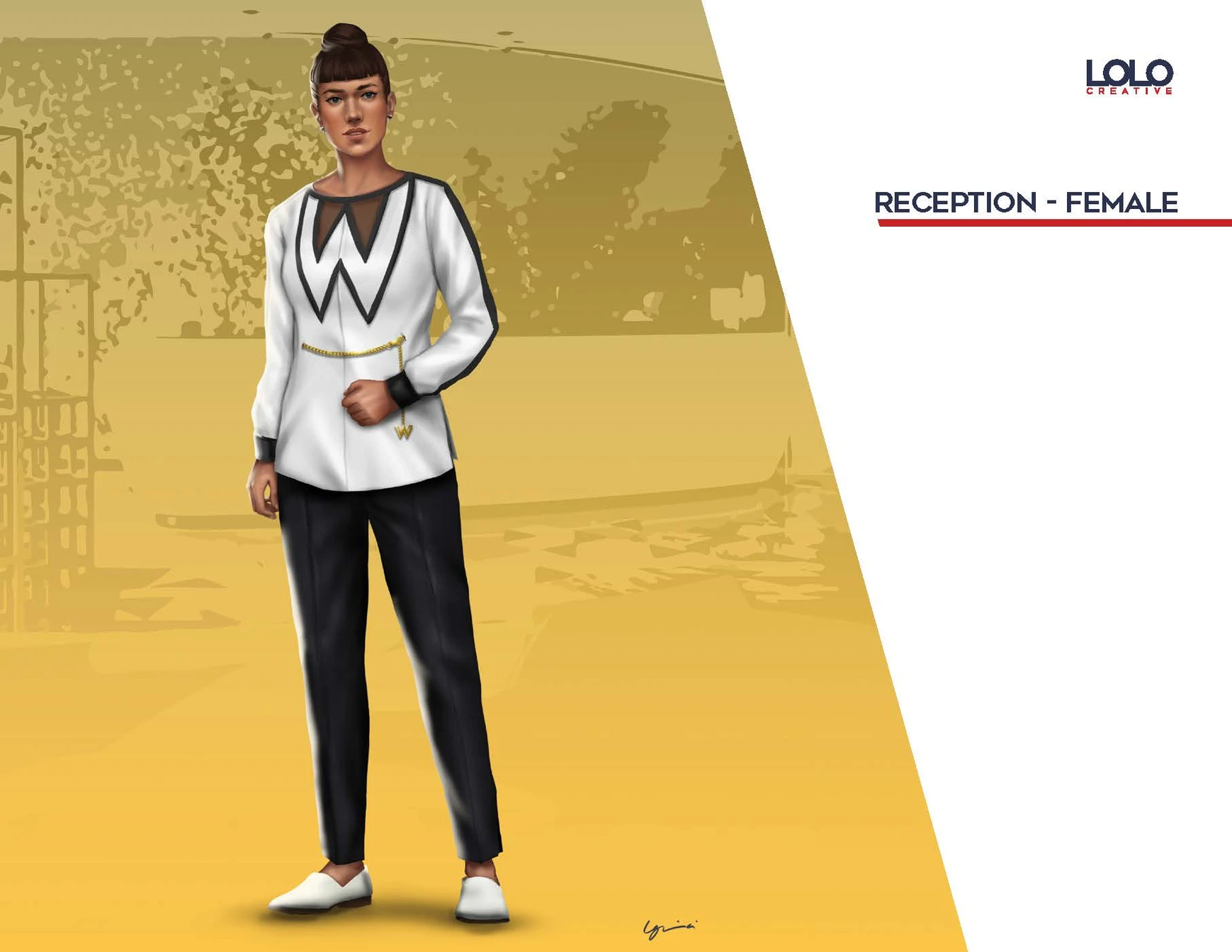
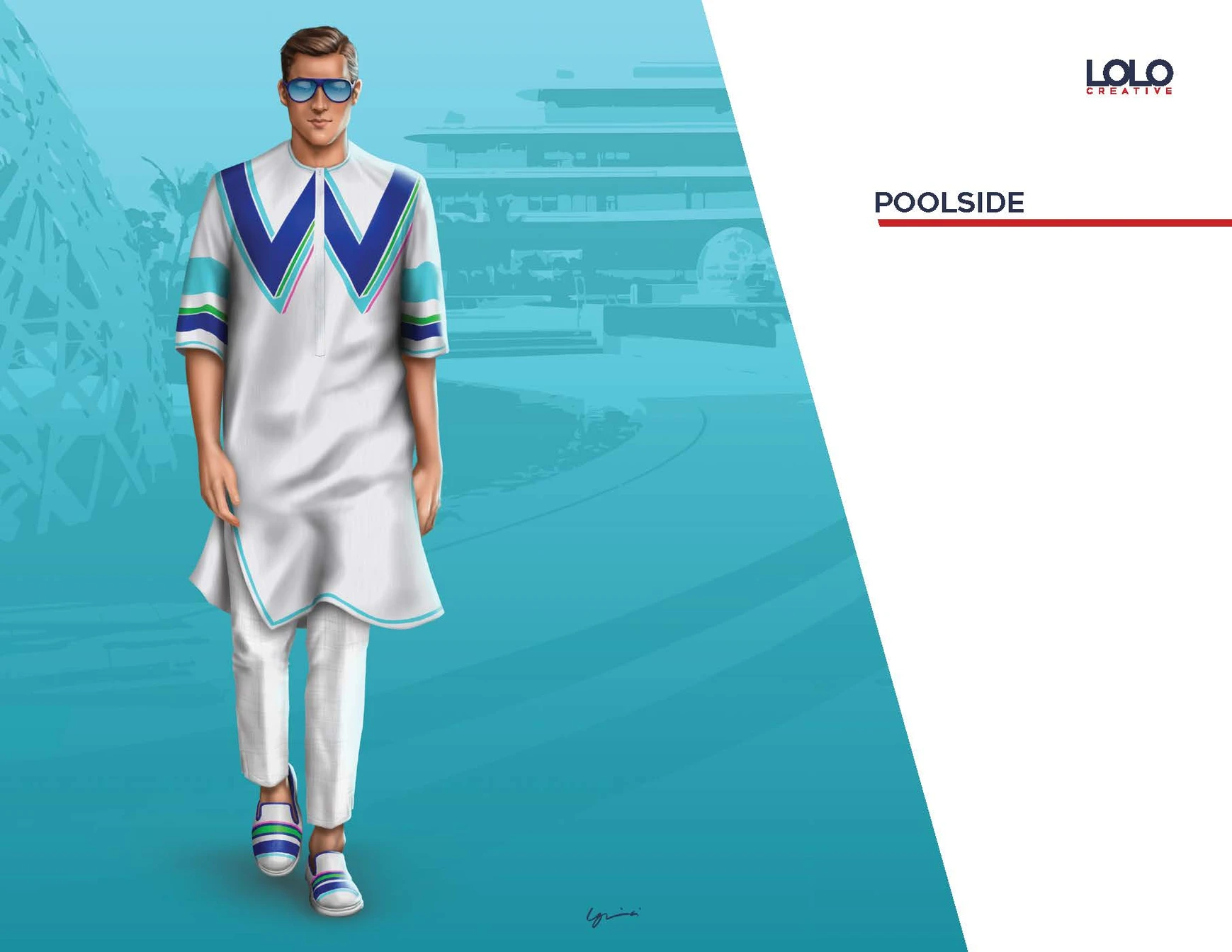
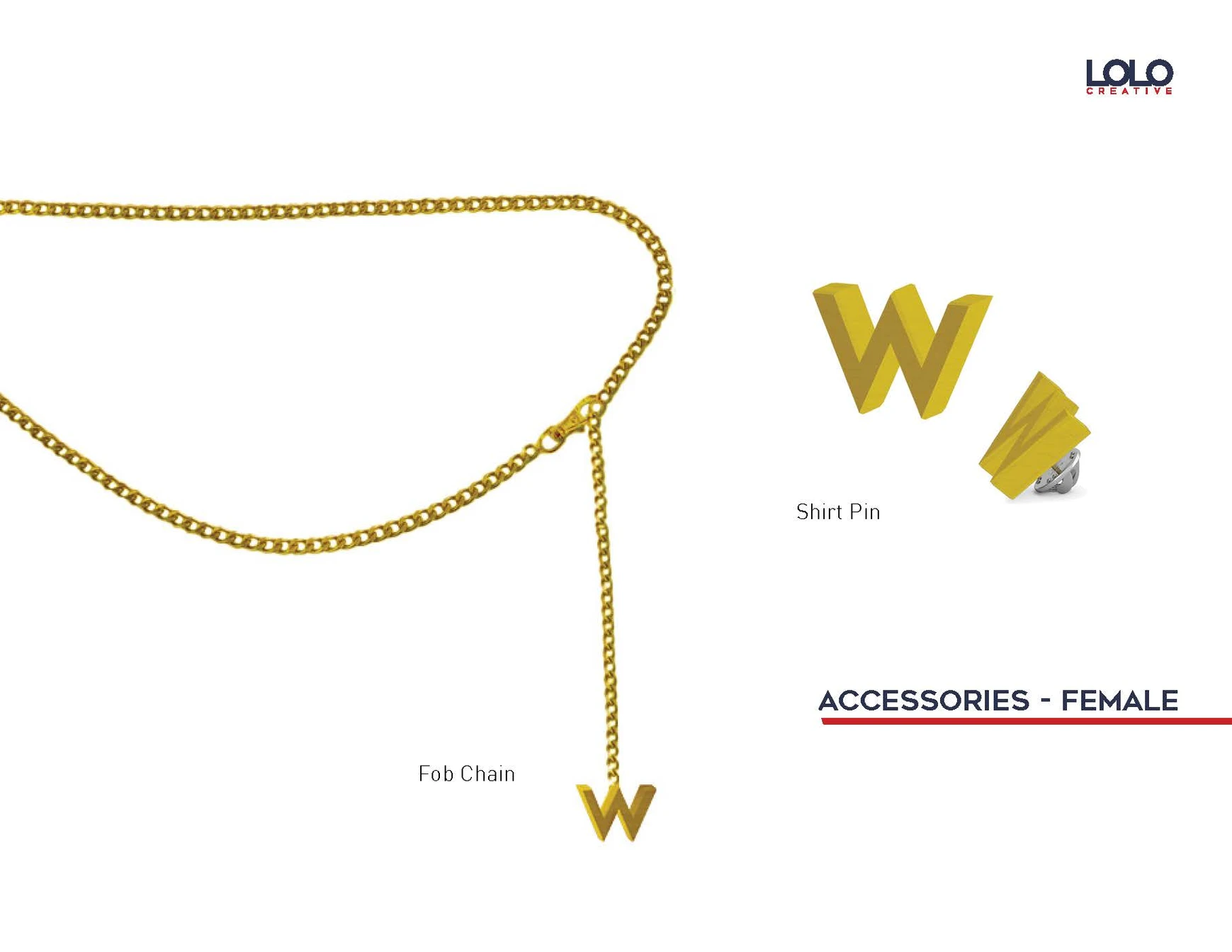
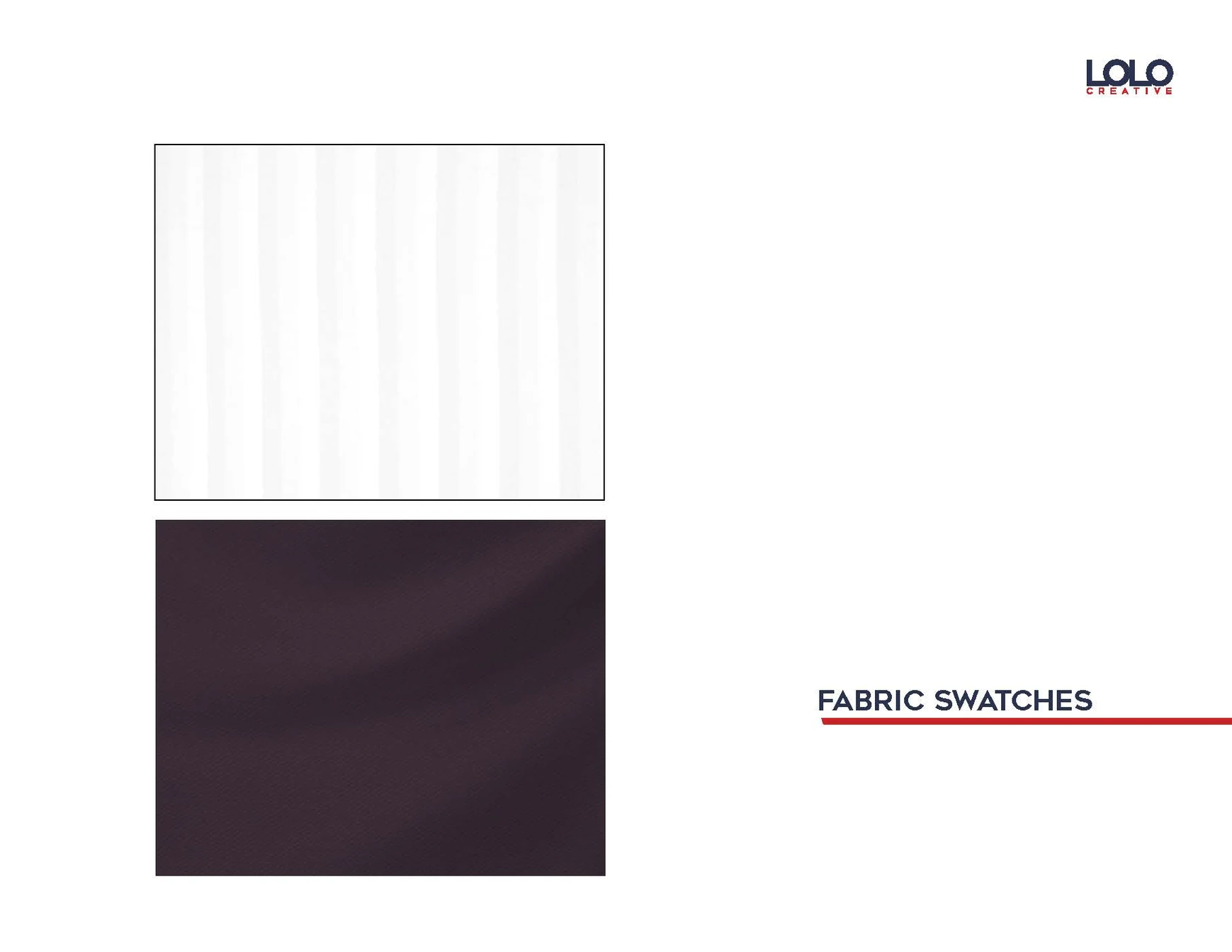
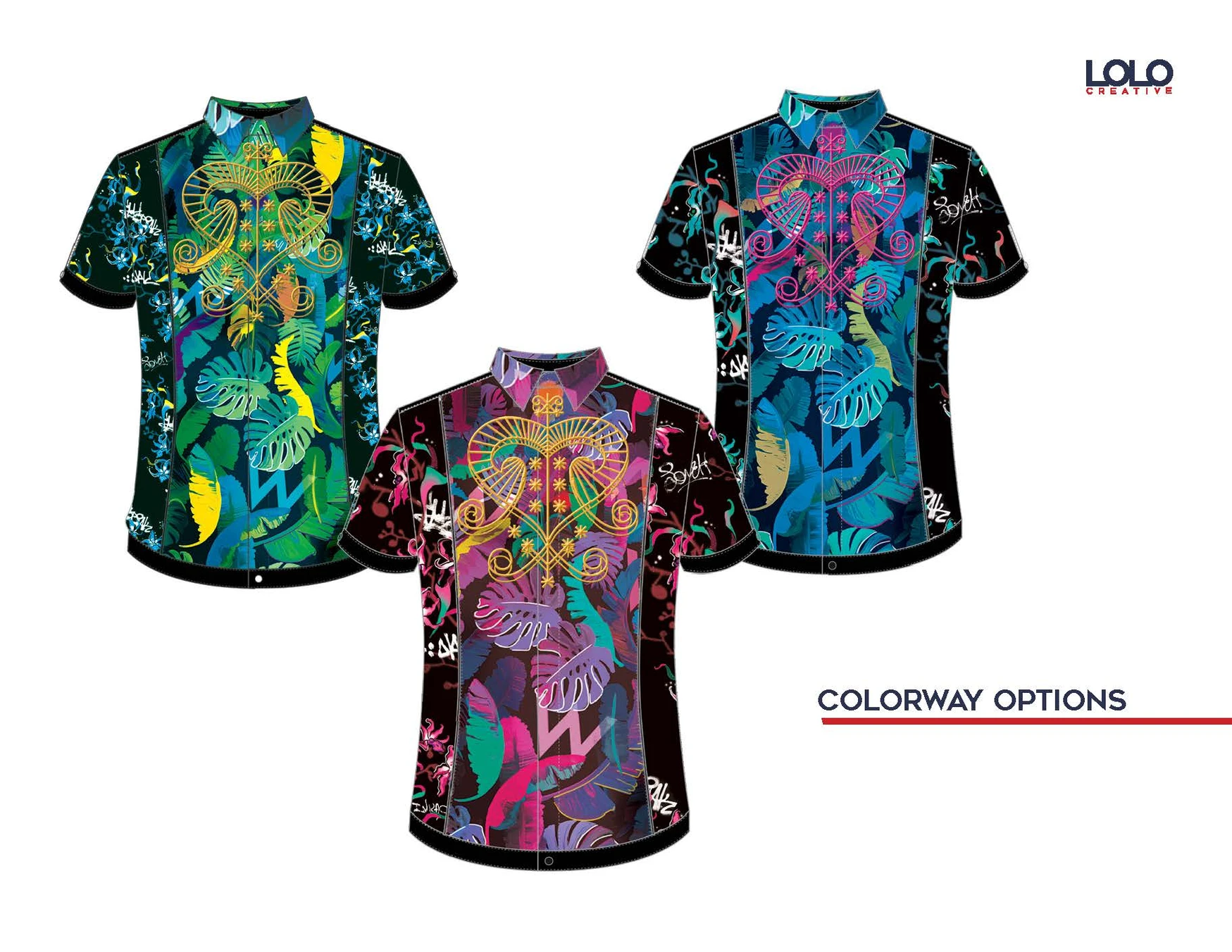
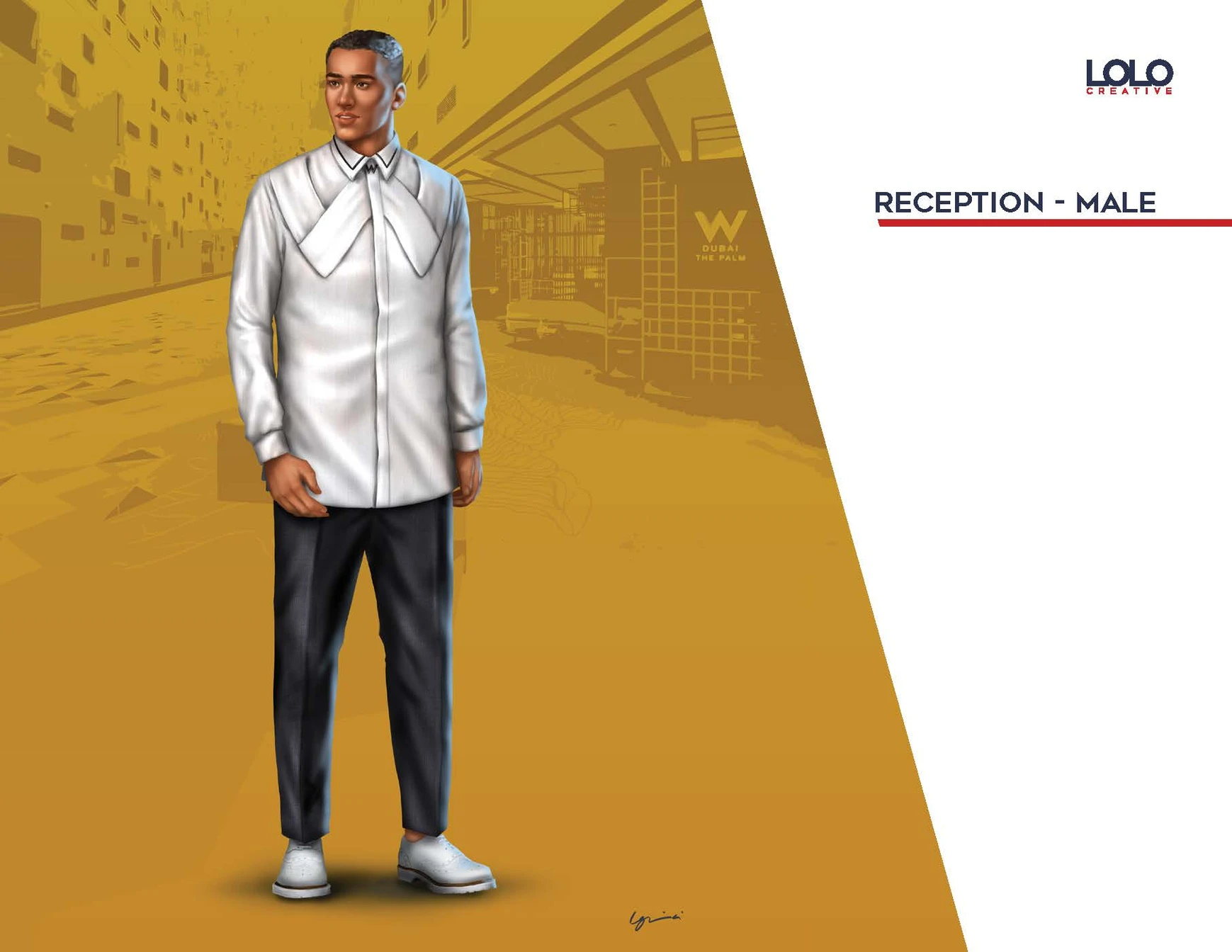
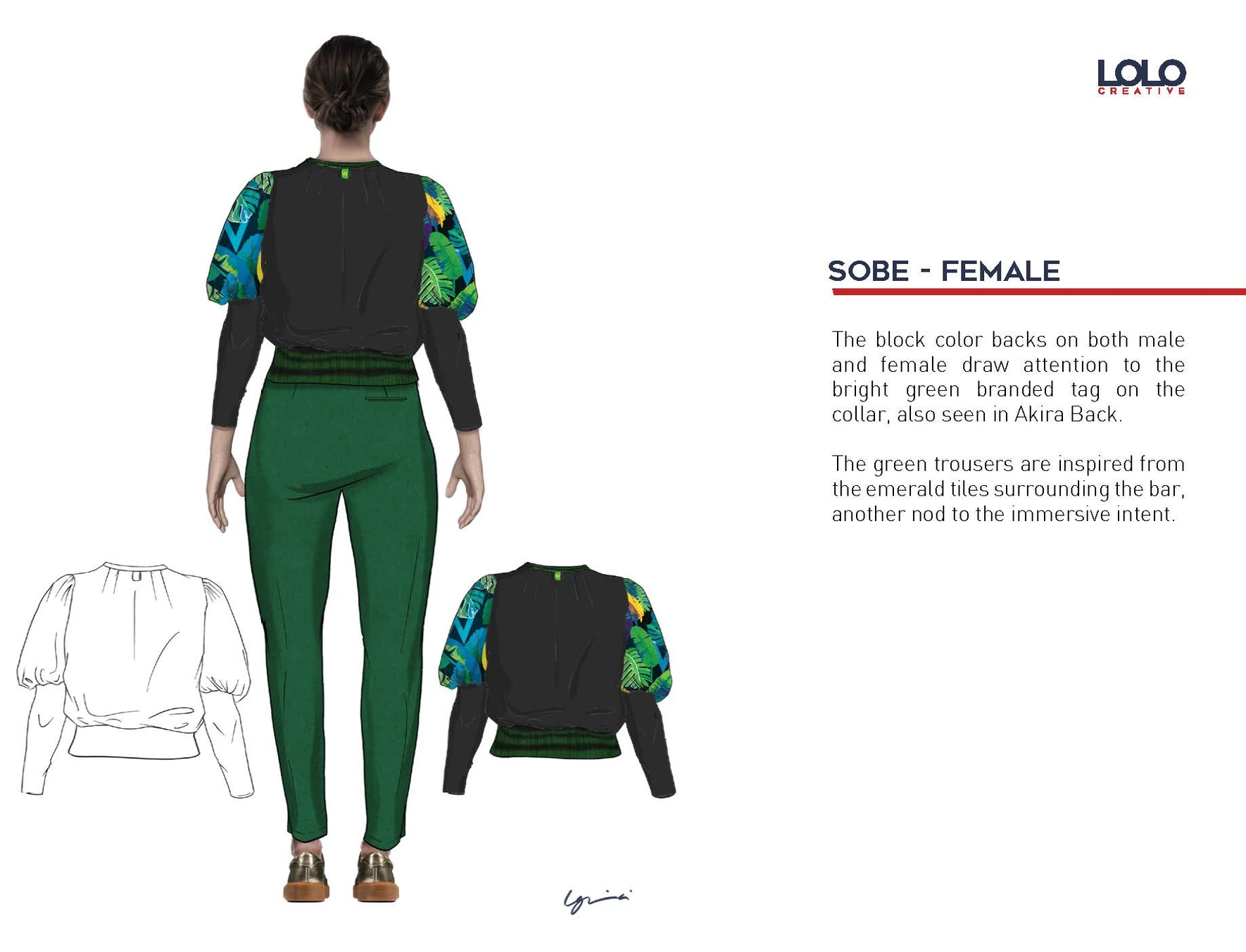
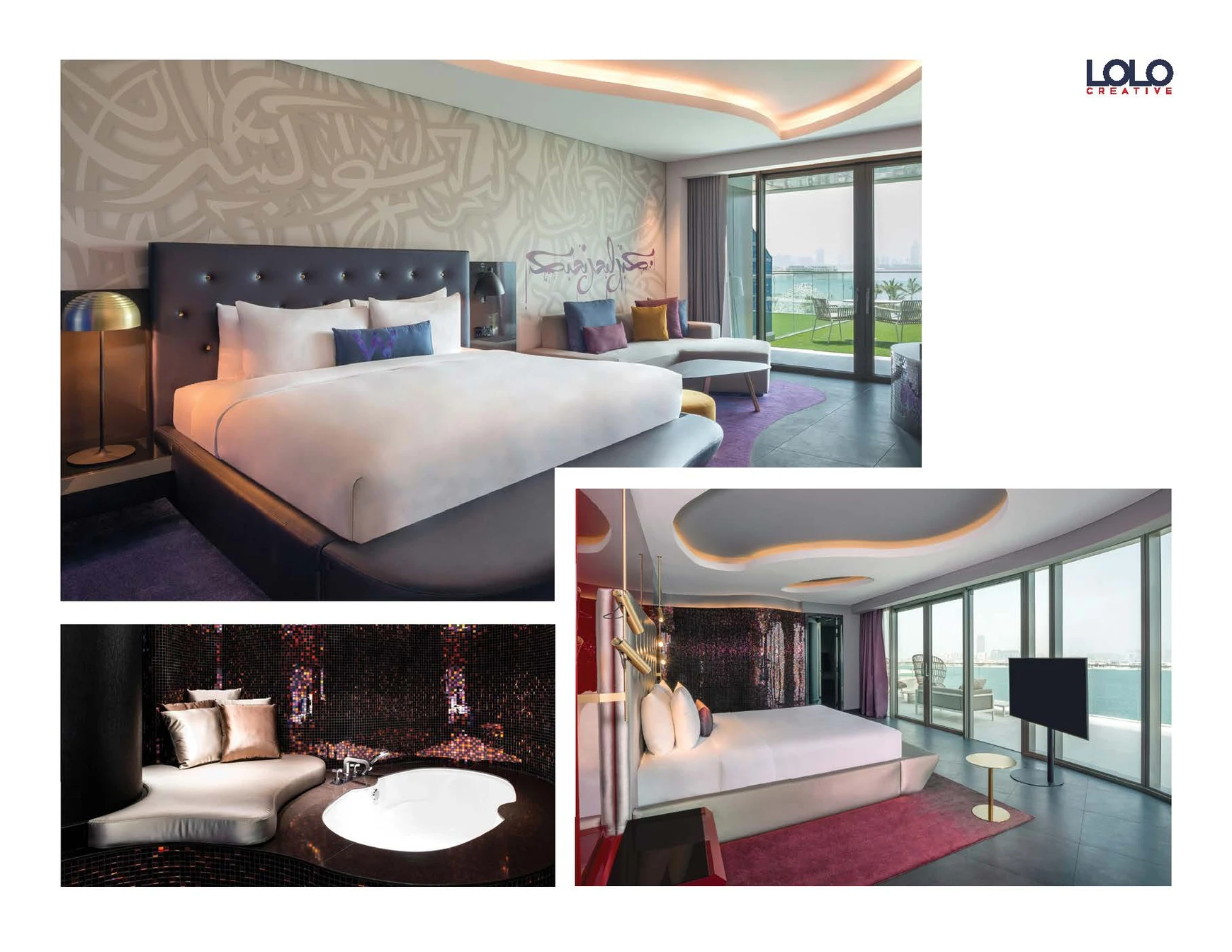
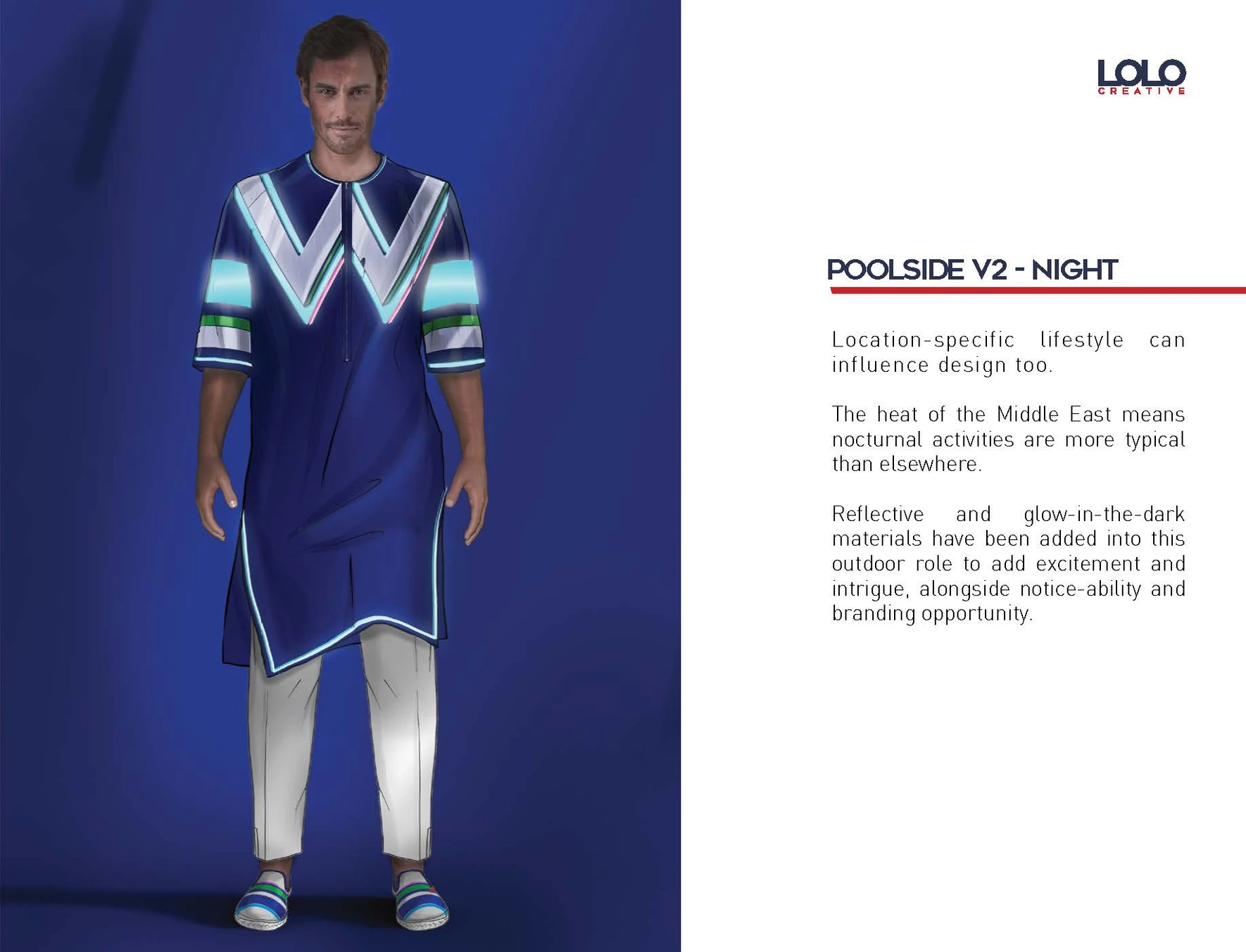
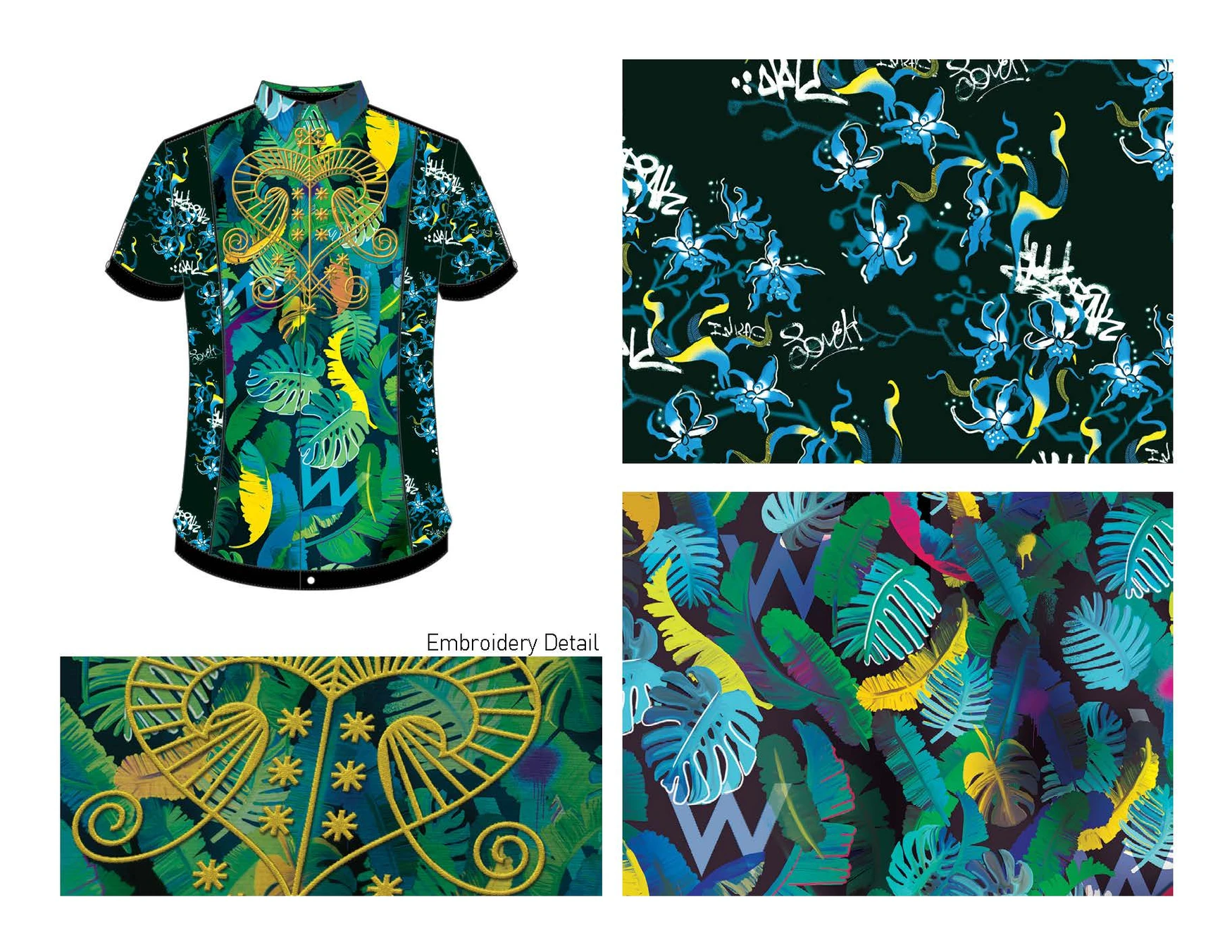
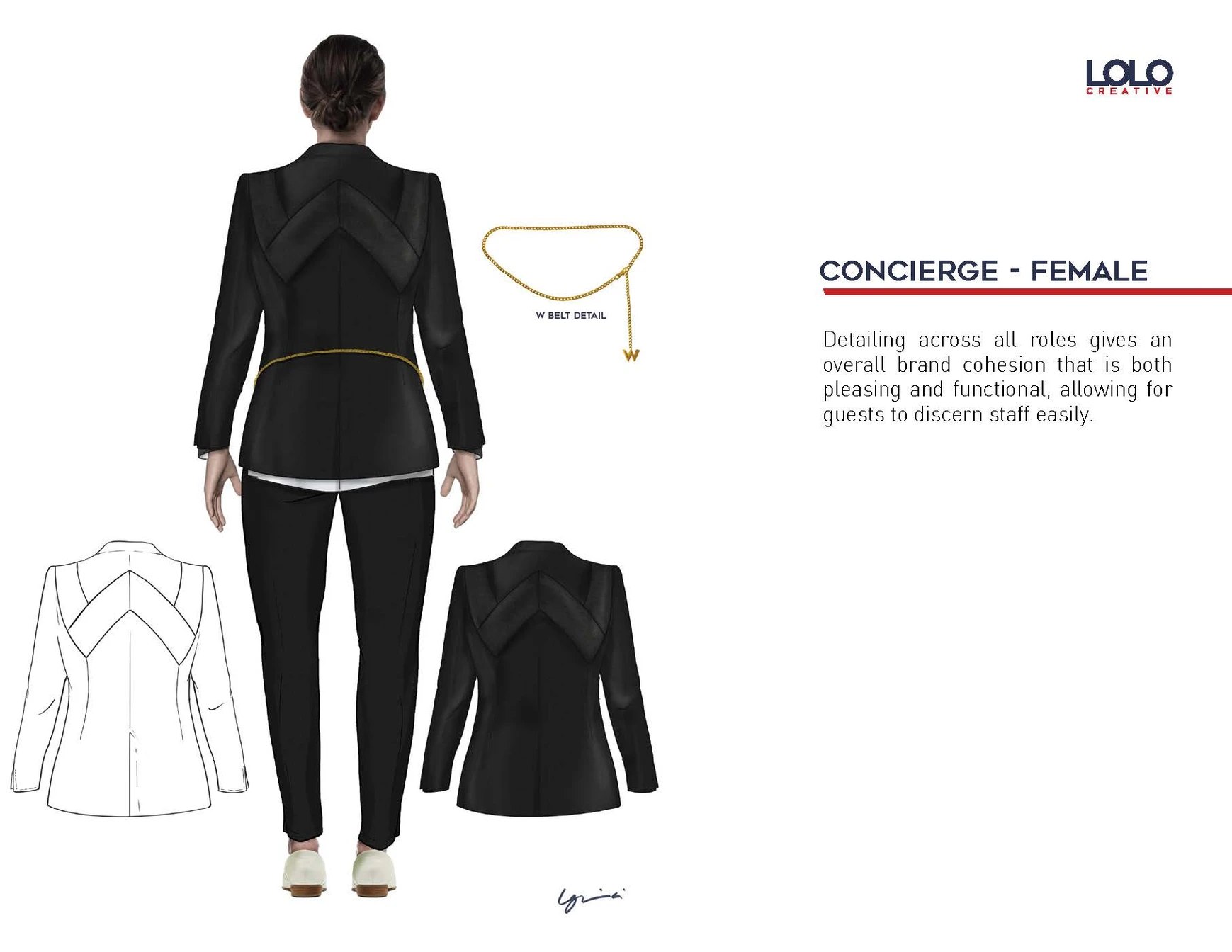
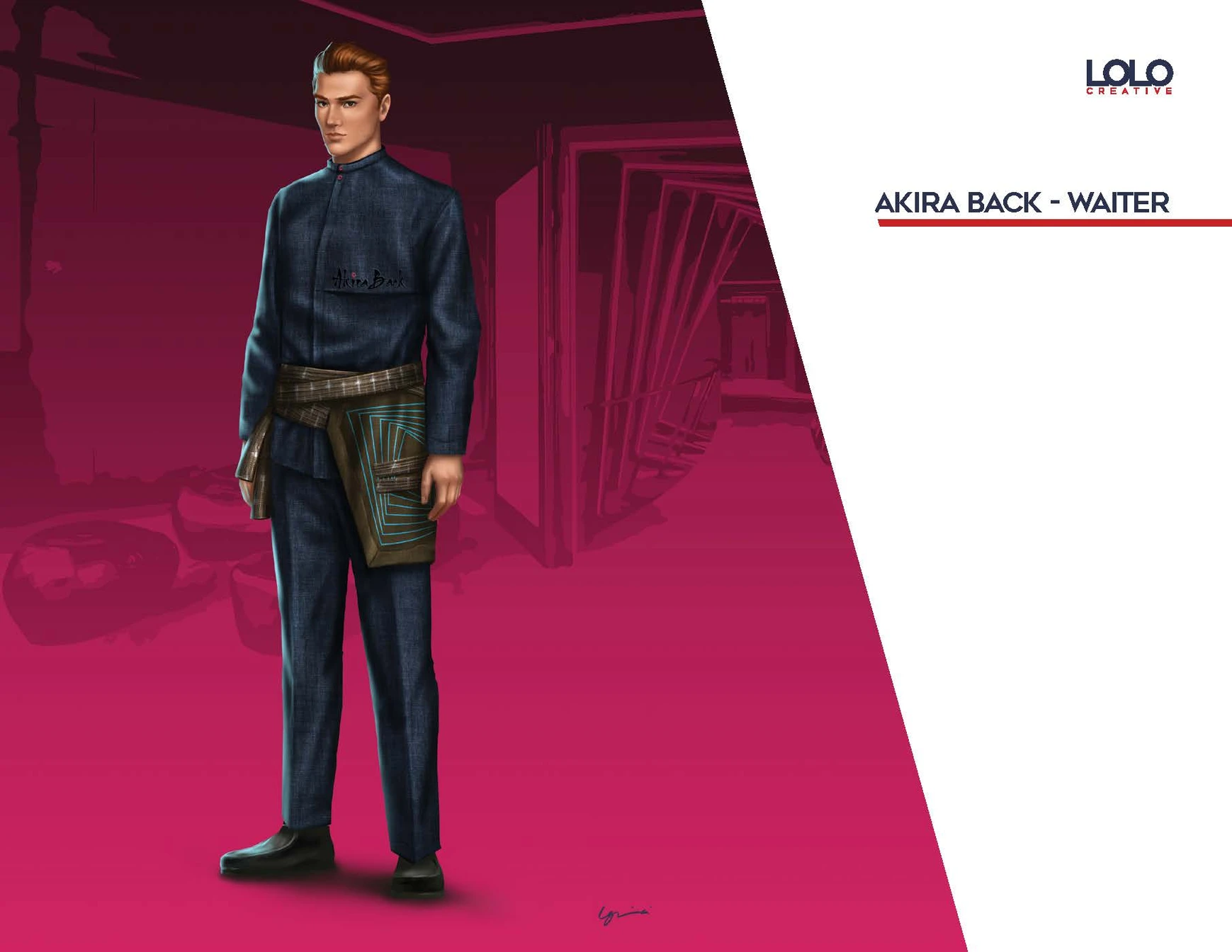
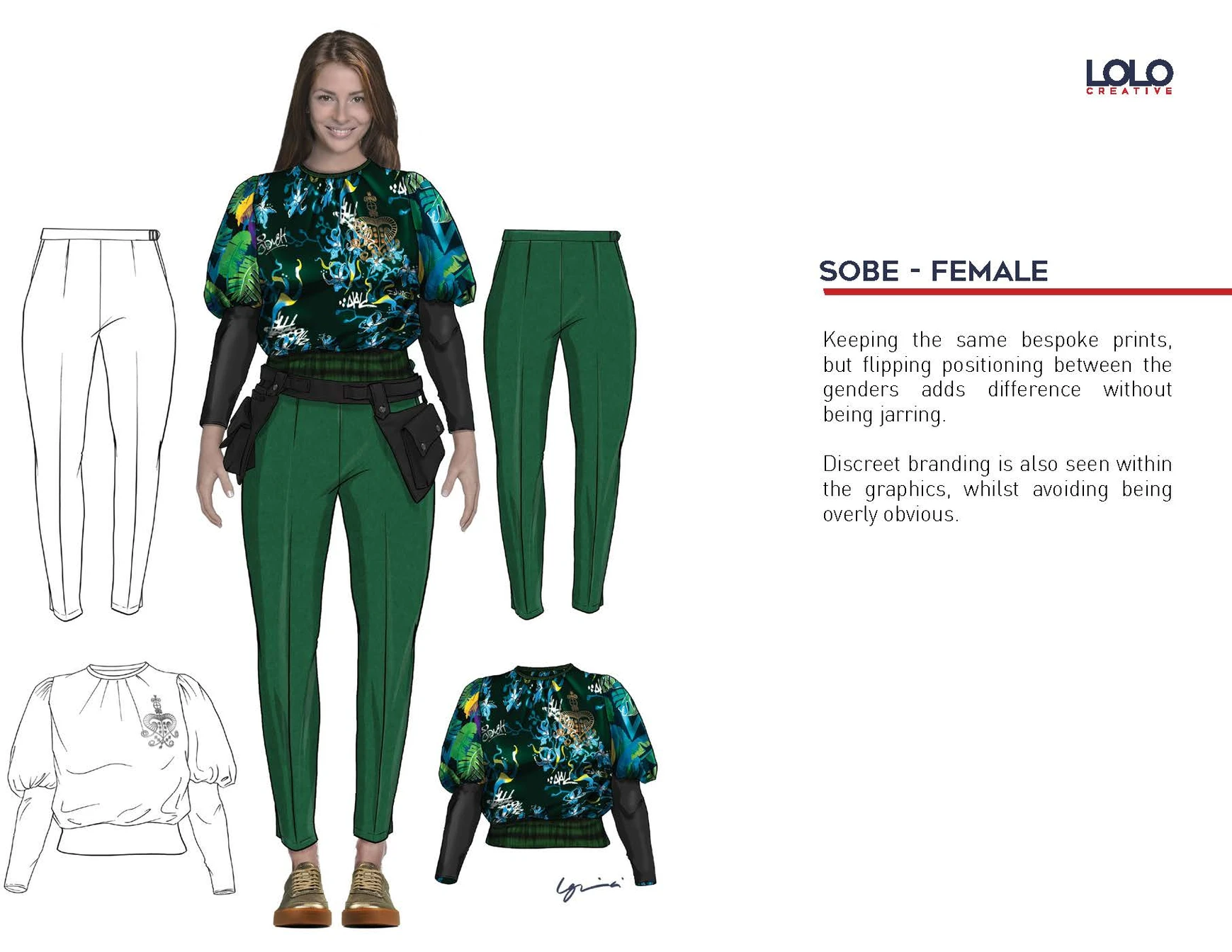
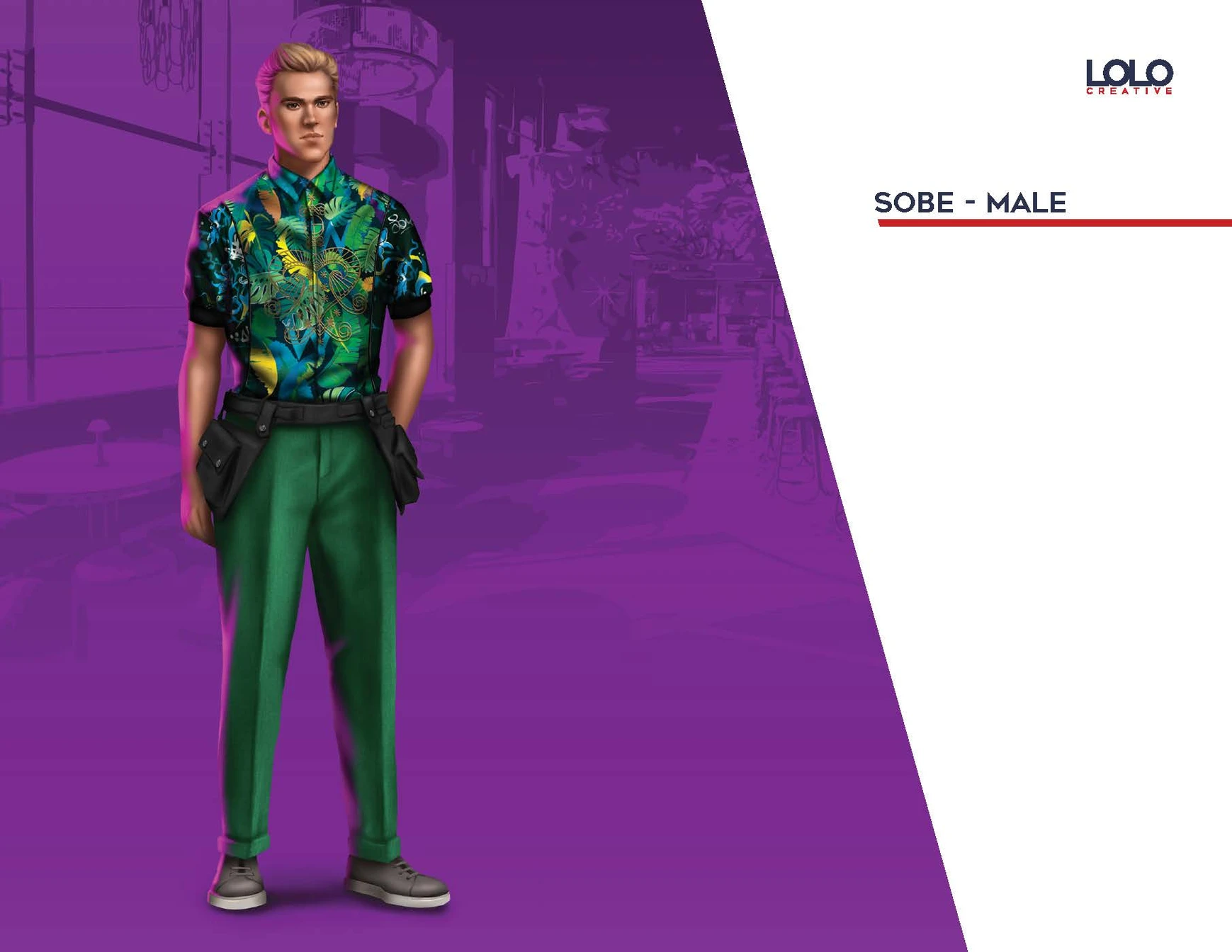
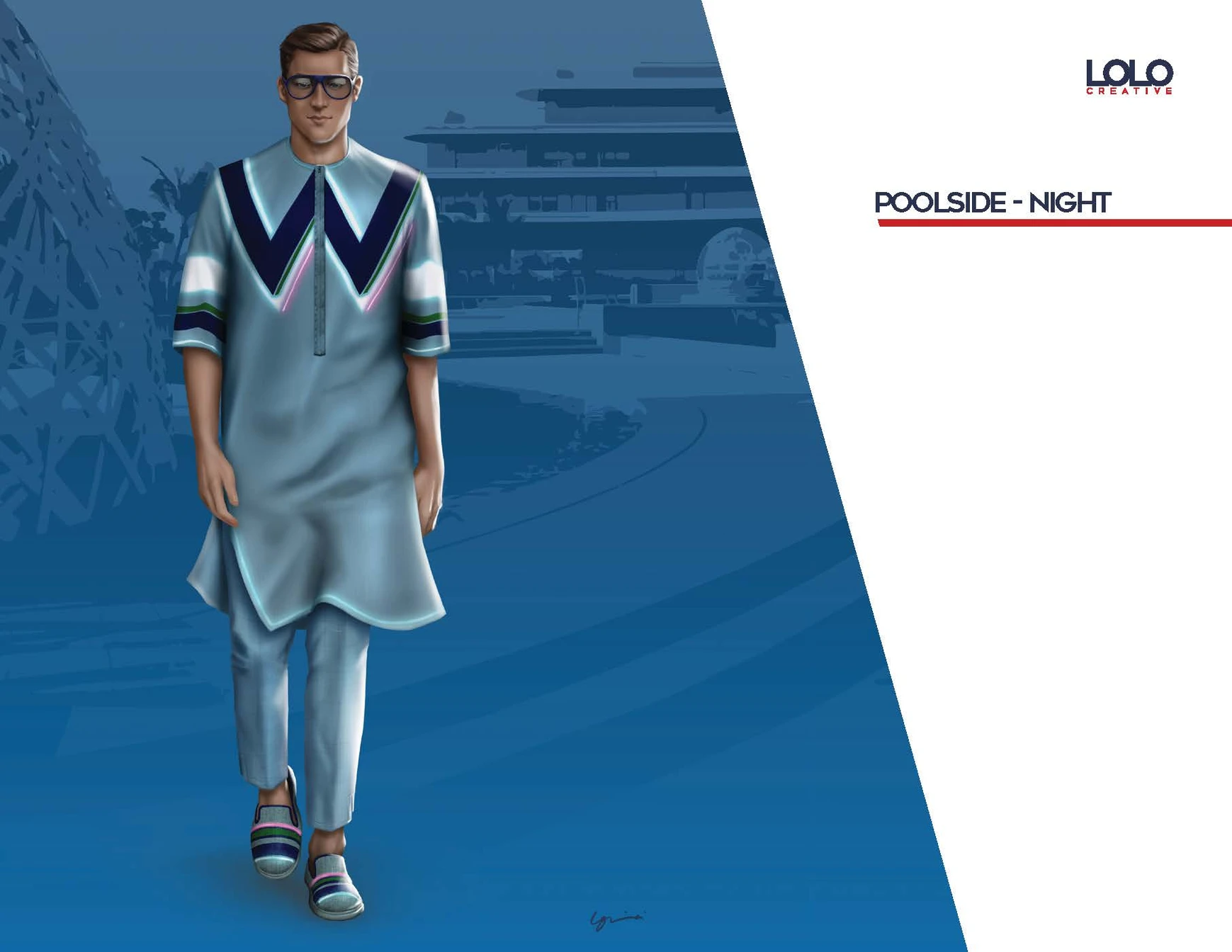
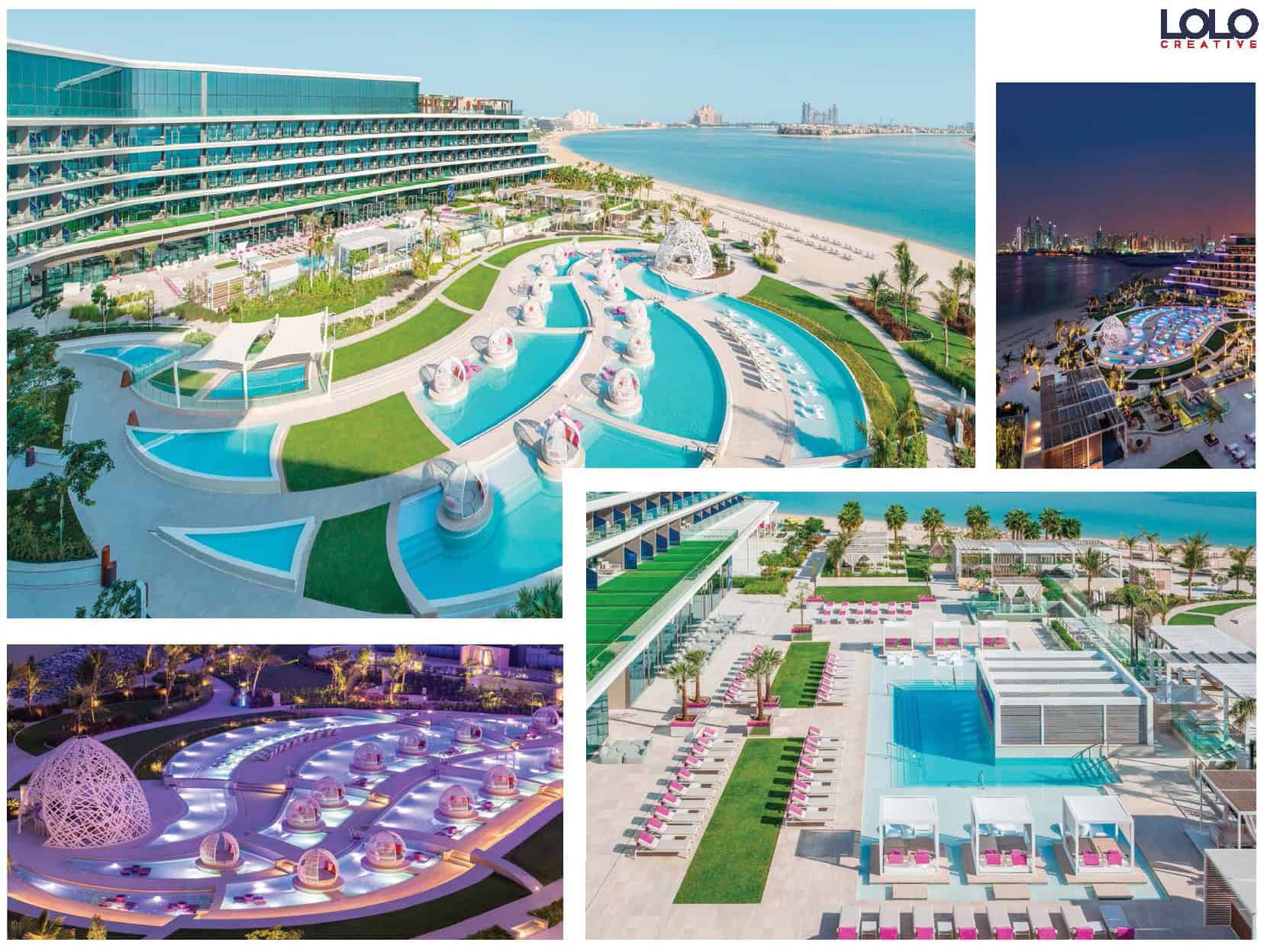
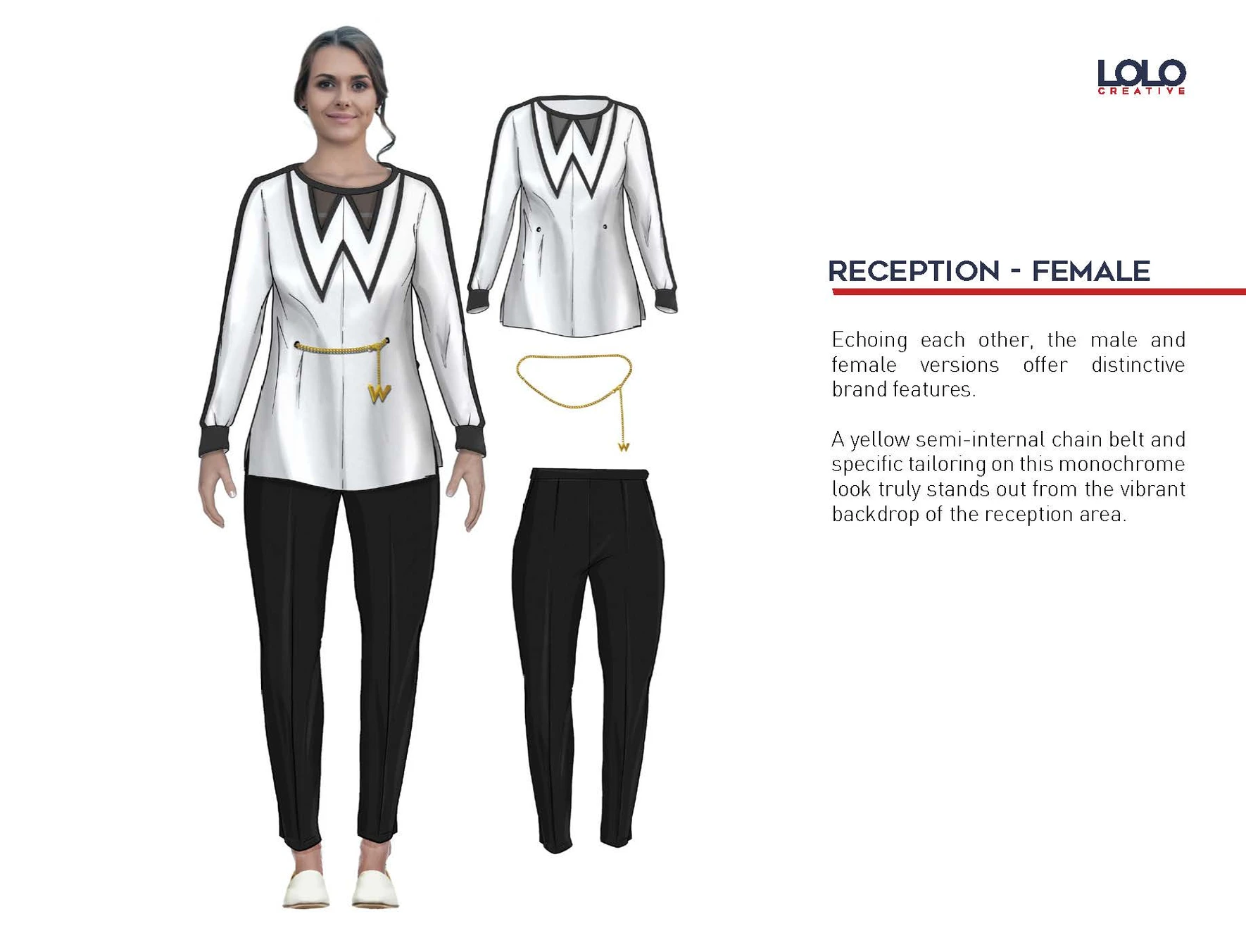
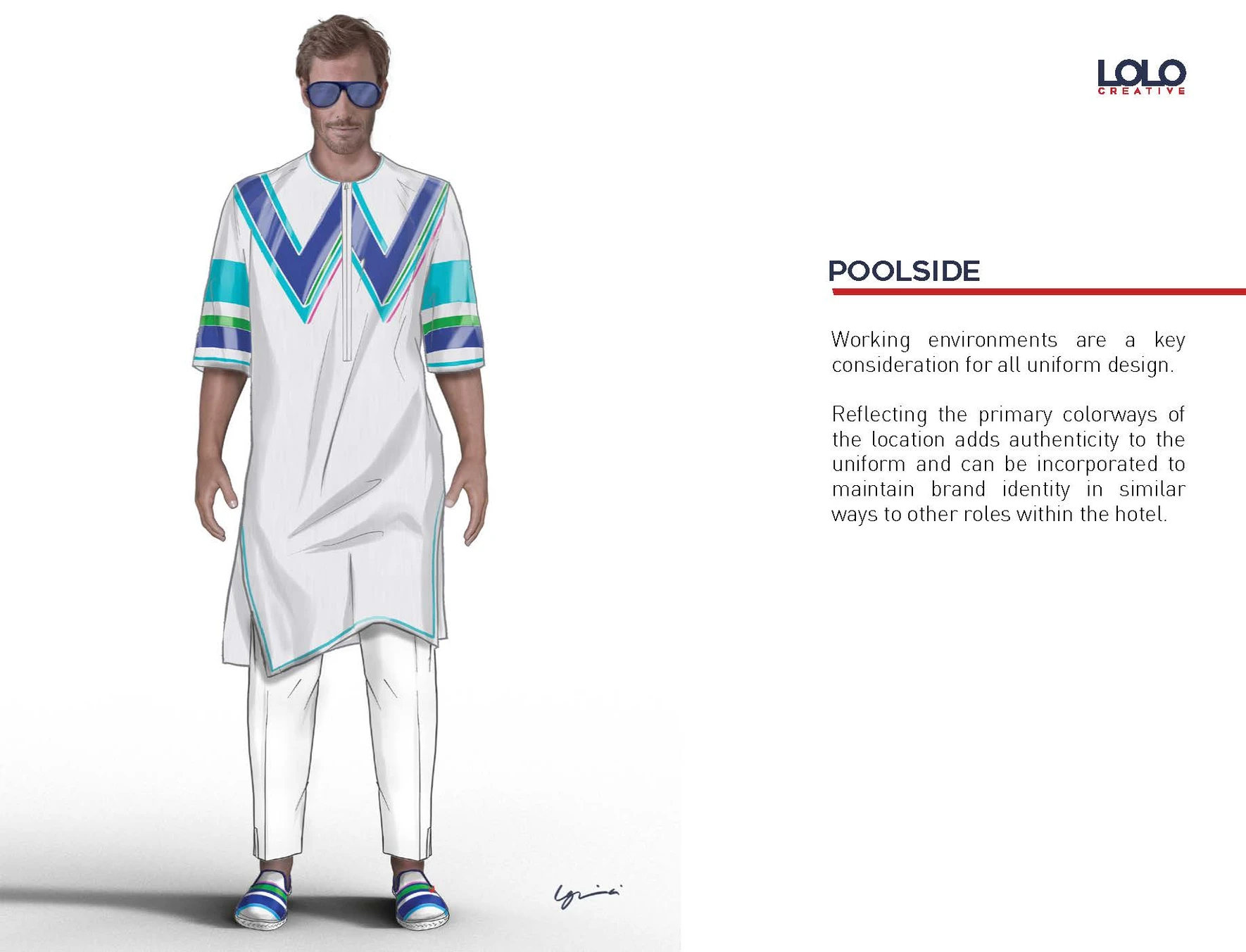
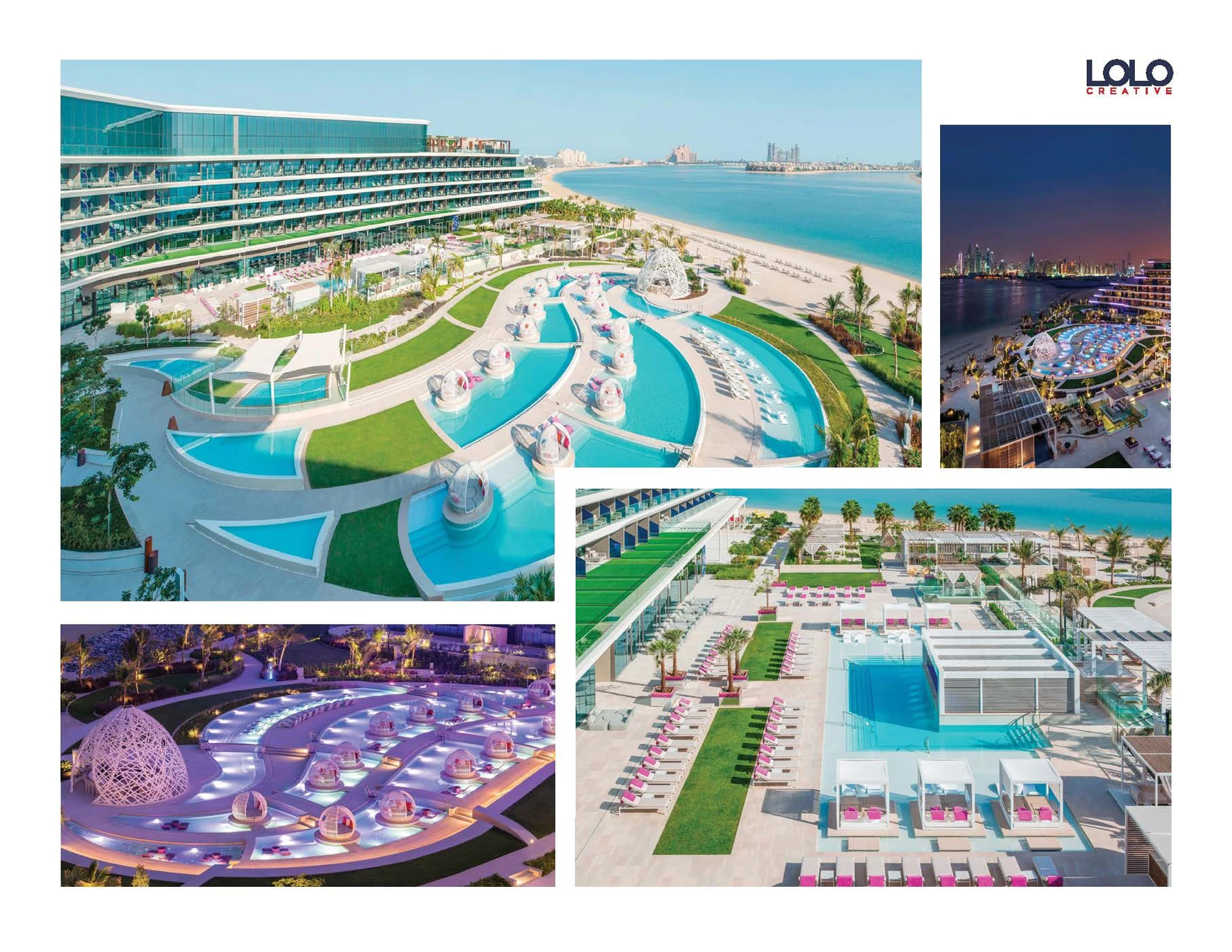
Process from First Sketch to Final Fit
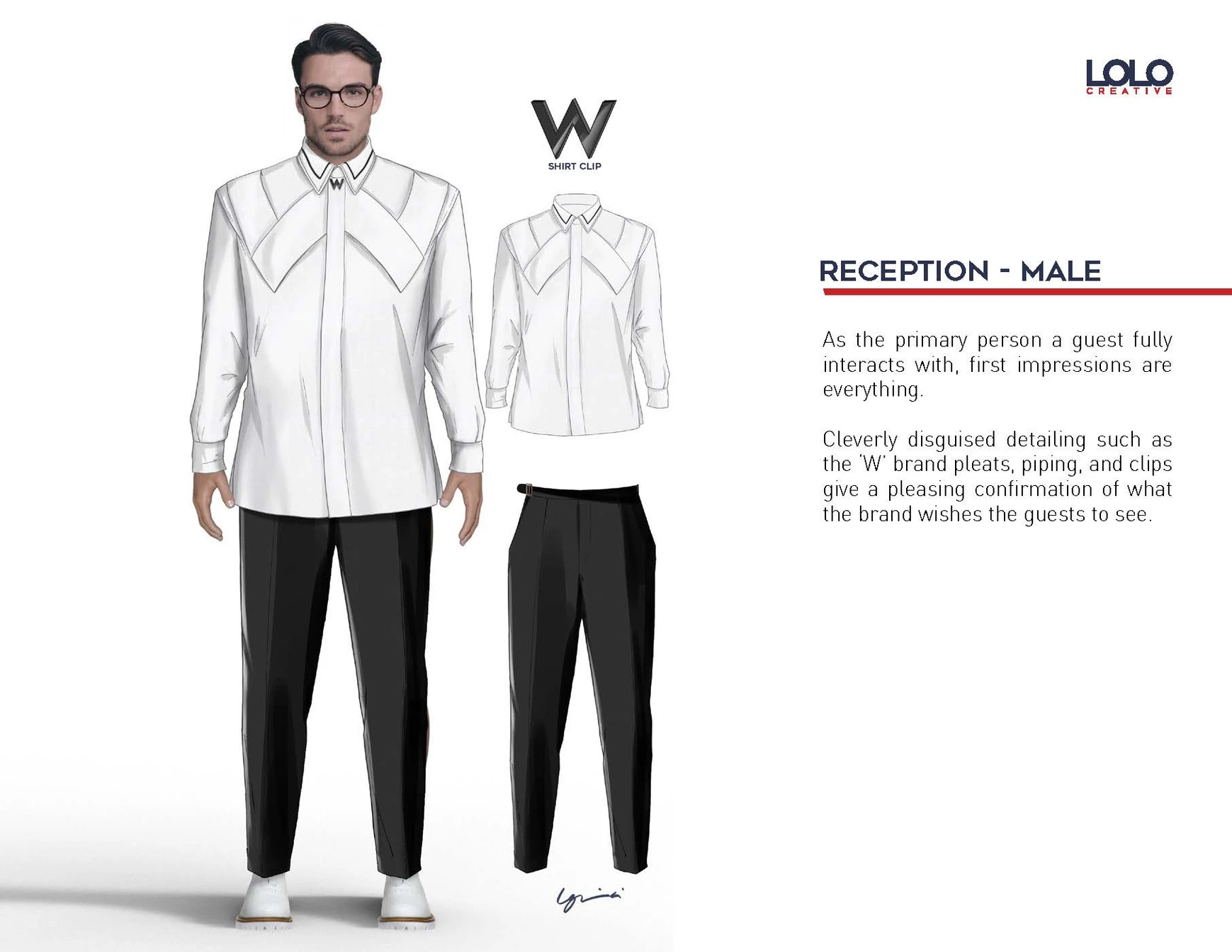
Every project follows a refined structure that guarantees creativity, precision, and delivery on time. You’ll always know what’s happening, why, and when. This process is the backbone of LOLO. It’s how we ensure every design not only meets expectations but outperforms them in the real world.
In this initial stage, we prioritise understanding your vision and budget.
By collaborating closely, we define the project’s scope, objectives, and financial parameters, ensuring alignment with your expectations.
This foundational step promotes transparency and efficiency, setting the tone for a successful partnership while balancing creative and practical aspects.
In the Concept Direction stage, we select the ideal designer to shape your project’s creative vision, setting the tone for the entire journey.
Through collaboration, the designer will translate your goals and brand identity into inspiring concepts.
We create mood boards to visualise ideas, combining images, colours, and textures that reflect your desired aesthetic. This approach ensures every design decision aligns with your brand and values, resulting in a stunning final product.
During Design Development, our designer turns concepts into detailed sketches and renderings. Through collaborative feedback, we refine every element to align with your vision.
This process bridges imagination and reality, perfecting details from silhouette to embellishments. Continuous dialogue ensures the final design exceeds expectations, capturing your brand’s essence in every stitch.
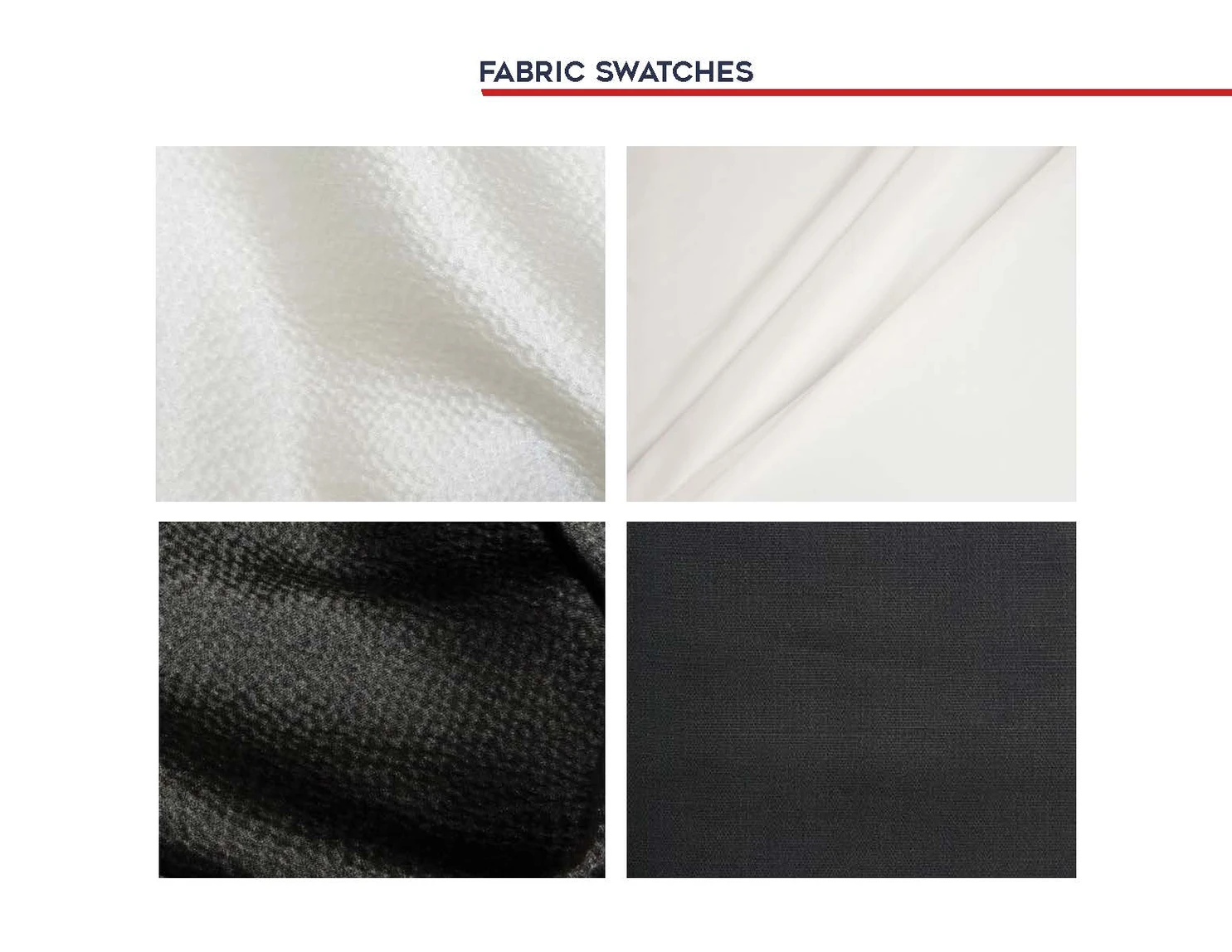
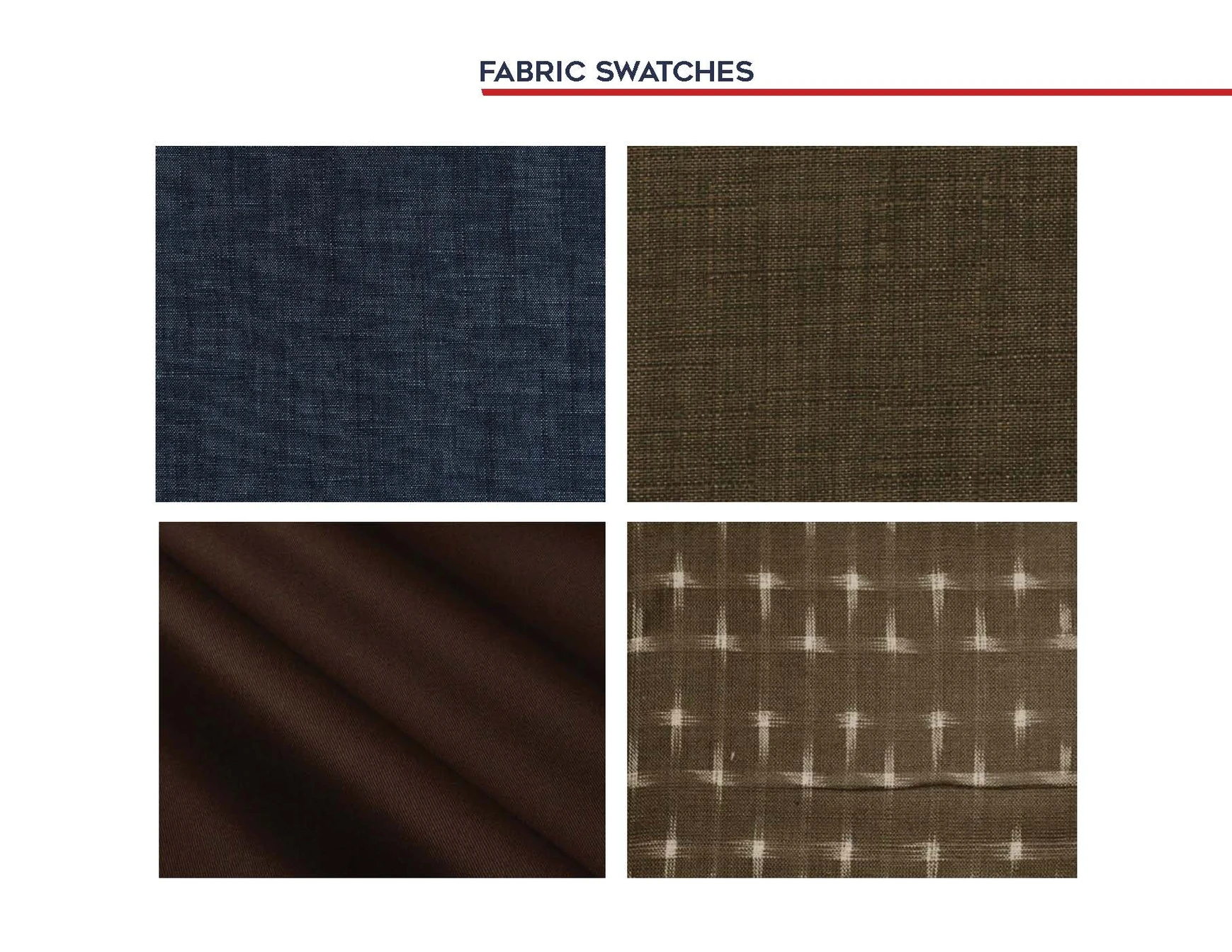
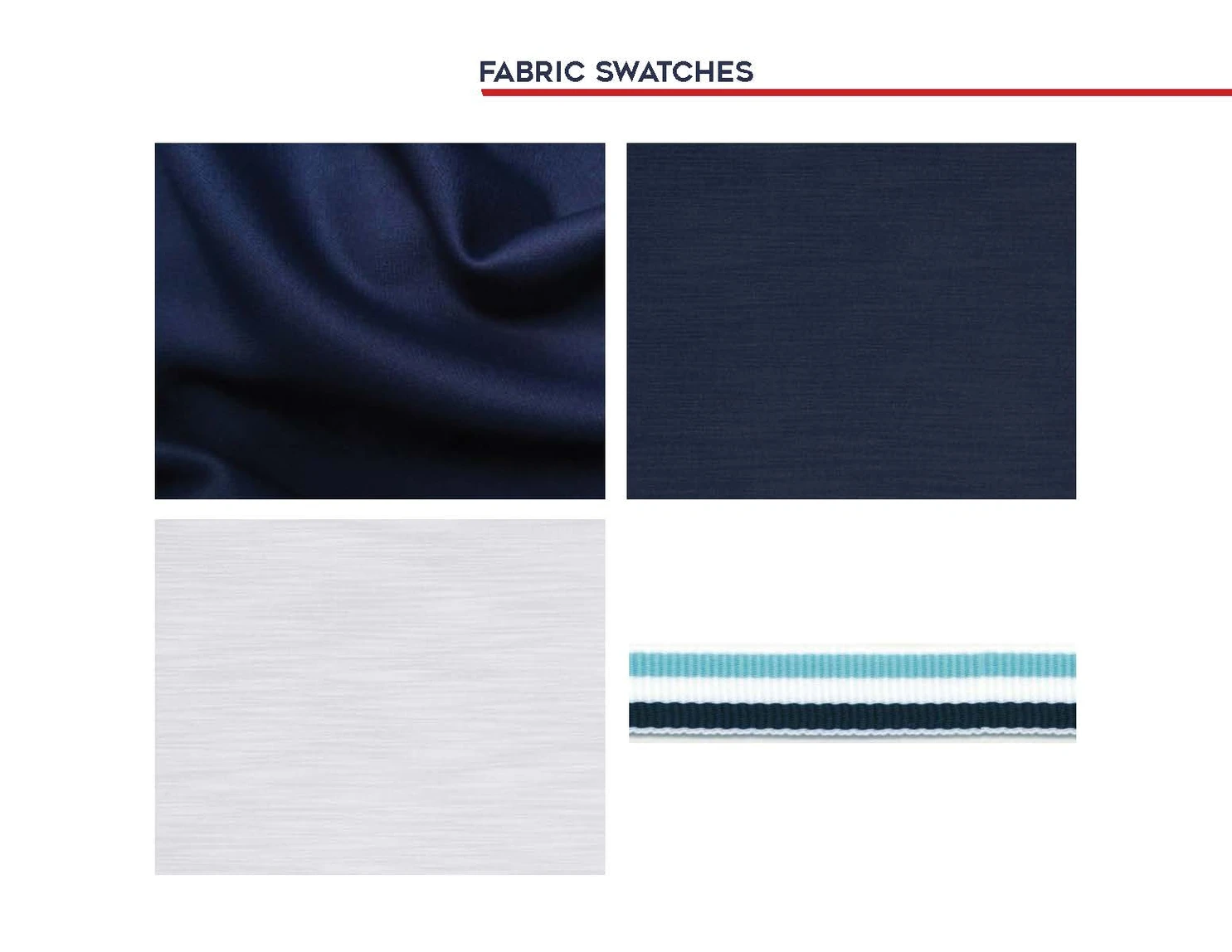
Fabric Selection is a meticulous process where we choose the best materials for our designs. We focus on texture, durability, and colour, exploring various options and sourcing samples to find the ideal fabrics for your project.
This careful selection ensures the final garments are stunning, practical, and ready to withstand their intended use while looking exceptional.
In the Sample Production stage, we create prototypes of the designs. These samples allow us to evaluate the fit, comfort, and overall look of the garments. We make any necessary adjustments to ensure that the final product meets our high standards and exceeds your expectations.
This stage involves close collaboration between our designers and skilled artisans, who bring the designs to life with precision and attention to detail. By creating and testing prototypes, we can identify and resolve any potential issues early on, ensuring that the final production runs smoothly. This iterative process of refinement and feedback is crucial for achieving the highest quality and ensuring that the final garments are a perfect representation of the original vision.
After sample approval, we move into full-scale Production, where skilled artisans bring your designs to life. With strict quality control, every piece is crafted to perfection.
We oversee every step - cutting, sewing, finishing, and inspecting - to ensure that each piece meets our rigorous standards.
Resulting in beautifully crafted garments that are ready to make a lasting impression.
A critical stage where we ensure that each costume or uniform fits perfectly and functions as intended.
Our team conducts fittings and rehearsals for final adjustments. Quickly addressing any issues to enhance performance and overall experience. Making sure garments are ready for their debut - on stage, in a theme park, or at a high-end restaurant.
In the final stage of Delivery, we hand over your completed costumes or uniforms, ensuring on-time delivery that meets all specifications.
Our commitment to excellence continues with secure packaging to prevent damage during transit.
After delivery, we follow up to address any concerns or additional needs.
Our goal is to ensure that you are completely satisfied with the final product
Why Clients Choose LOLO
Clients work with LOLO when the project demands excellence and when the result must perform as beautifully as it looks. We’re not a costume shop or a uniform supplier. We are a design studio that understands storytelling, engineering, and human comfort.
Every project benefits from decades of experience designing for major film franchises, live entertainment, and theme parks worldwide. Our standards match those of the studios we serve.
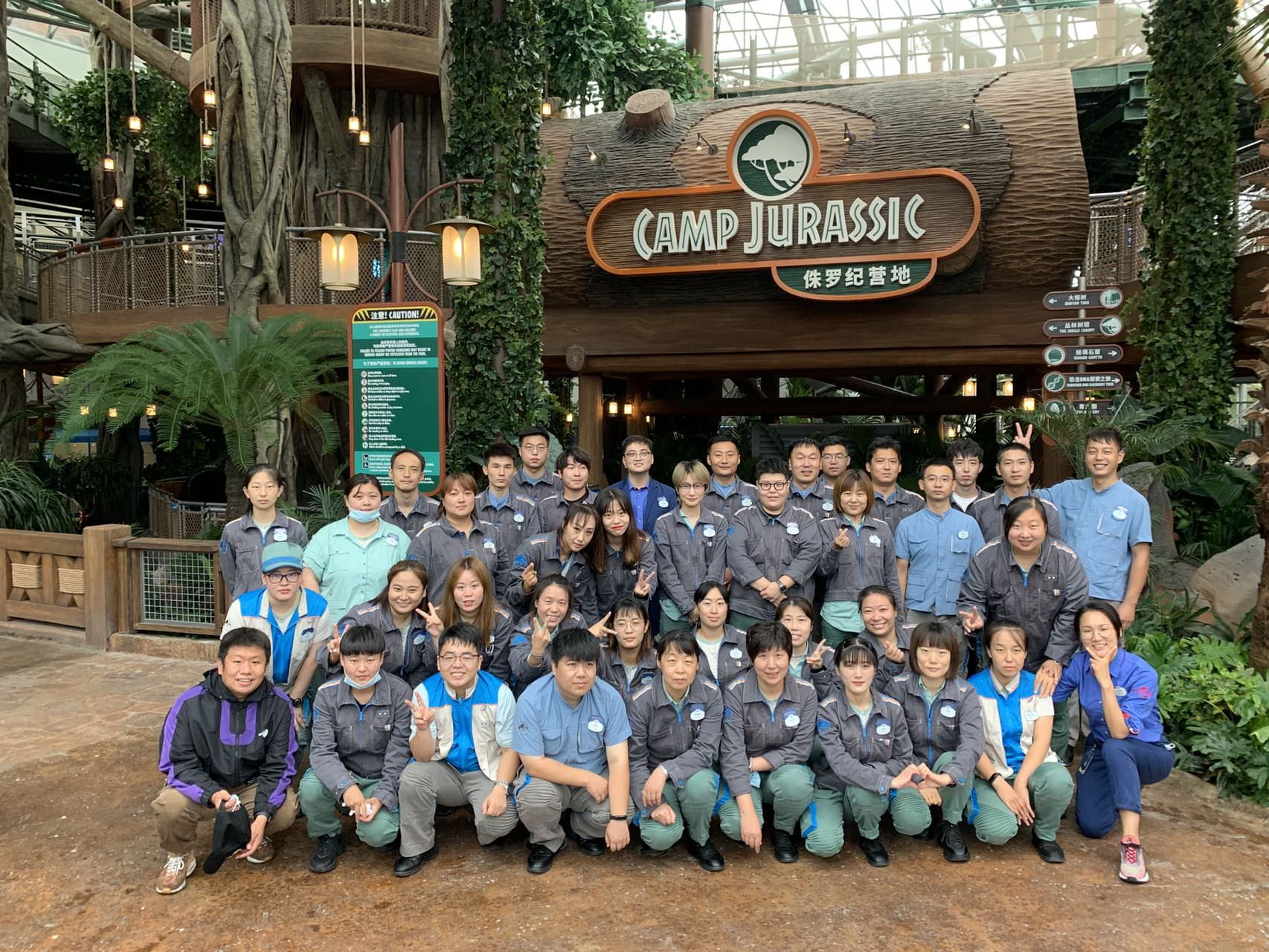
Where Design Meets Detail
Behind every LOLO project is a team of designers, fabric specialists, and artisans who share a single aim: to make garments perform beautifully in the real world.
Our studio runs like a film production — structured, disciplined, and focused on every frame of the final look. Each design moves through concept sketches, fabric trials, fittings, and final approval, guided by experience gained from decades of work for the world’s leading studios and resorts.
You’ll find mood boards pinned with texture samples, precision tailoring in progress, and fittings where a costume is tested until it feels invisible to the wearer. Every stitch serves purpose. Every decision is measured against comfort, longevity, and story.
We never treat projects as one-offs. Every design becomes part of a lasting relationship, with clients returning year after year for new seasons, expansions, and updates.
Start your project
Ready to enchant your guests?
Bring your stories to life with LOLO’s captivating costumes. Connect with us today to create a magical experience visitors will cherish!
Dressing the Modern Table: The Art of the Restaurant Uniform
In high-end dining, every detail speaks. The lighting, the scent, the rhythm of the room. But few elements shape the first impression more quietly, or more powerfully, than what the staff wear.
Uniforms in luxury hospitality have evolved from mere necessity to a form of design language. They are no longer functional garments but integral to how a restaurant defines its world.
Design is never about decoration. It is about storytelling.
From Atelier to Table
When a guest walks into a restaurant, they enter a complete universe. The music, the furniture, the architecture, the plating — all move in harmony. The uniform must belong to this composition.
Creating attire for fine dining begins like designing for film. The narrative is central. Who are these characters? What world are they part of? What should the guest feel when they encounter them?
Laurent Guinci approaches uniform design through the same lens he applies to cinematic costume. A restaurant, after all, is theatre. Every plate is an act. Every gesture is choreography.
Beyond Function
A well-made uniform must support performance. But luxury has its own demands. The garment must carry comfort, longevity, and grace under pressure.
Fabric selection becomes as crucial as menu sourcing. Breathable wools, fine cottons, and engineered blends offer freedom of movement while holding their structure across long shifts. Every seam, pocket, and fastener is placed with purpose.
Restaurants like MOMO in London, for example, depend on attire that feels effortless but withstands the pace of service. It must allow staff to move silently and confidently, even as the night unfolds at full tempo.
Style as Atmosphere
Uniforms communicate hierarchy, rhythm, and mood. They can soften a space or sharpen it.
In contemporary dining rooms, the trend has shifted away from the overtly formal. Starched whites and waistcoats have given way to silhouettes that feel closer to modern fashion — cropped jackets, fluid lines, tonal palettes. The result is relaxed sophistication: the kind that feels designed, not prescribed.
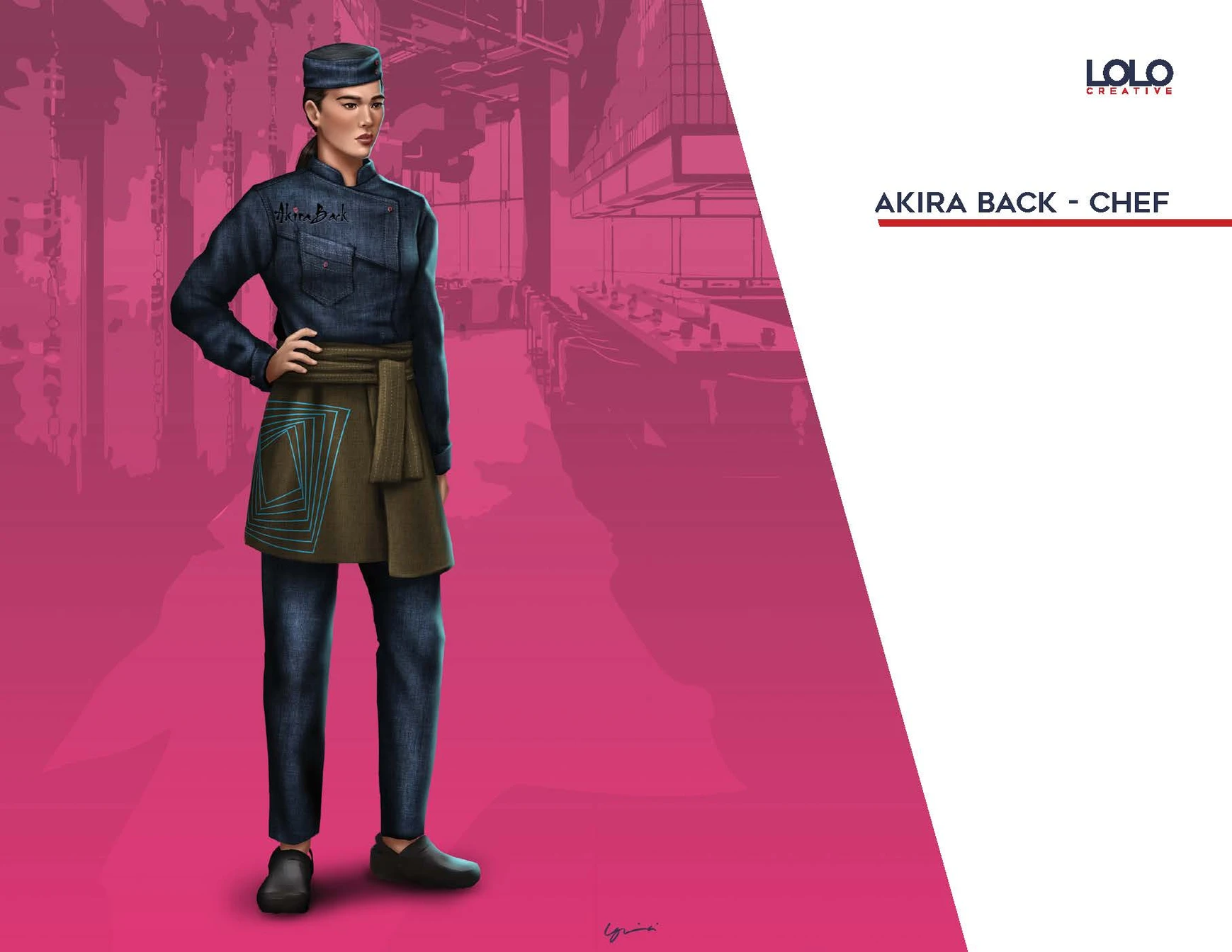
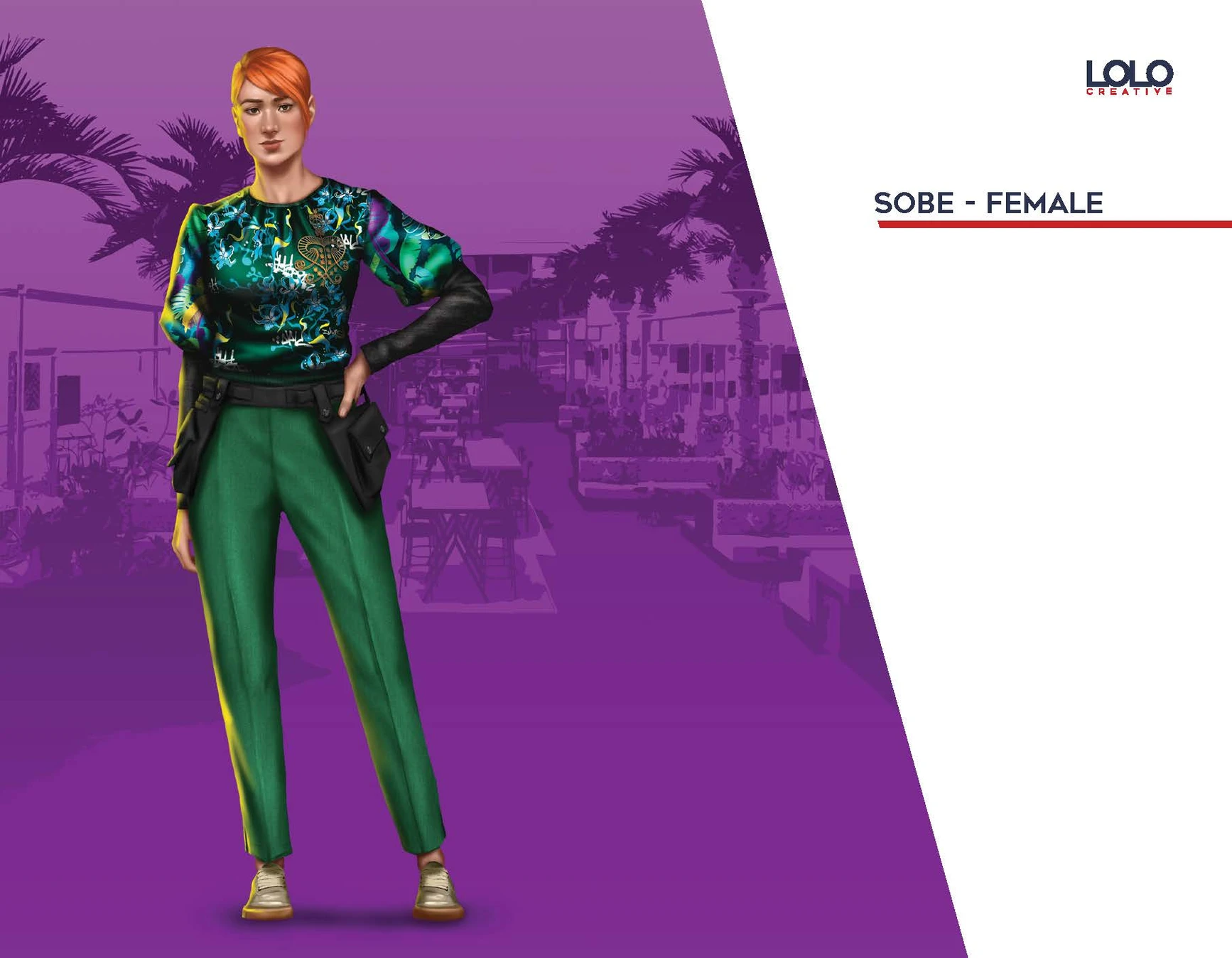
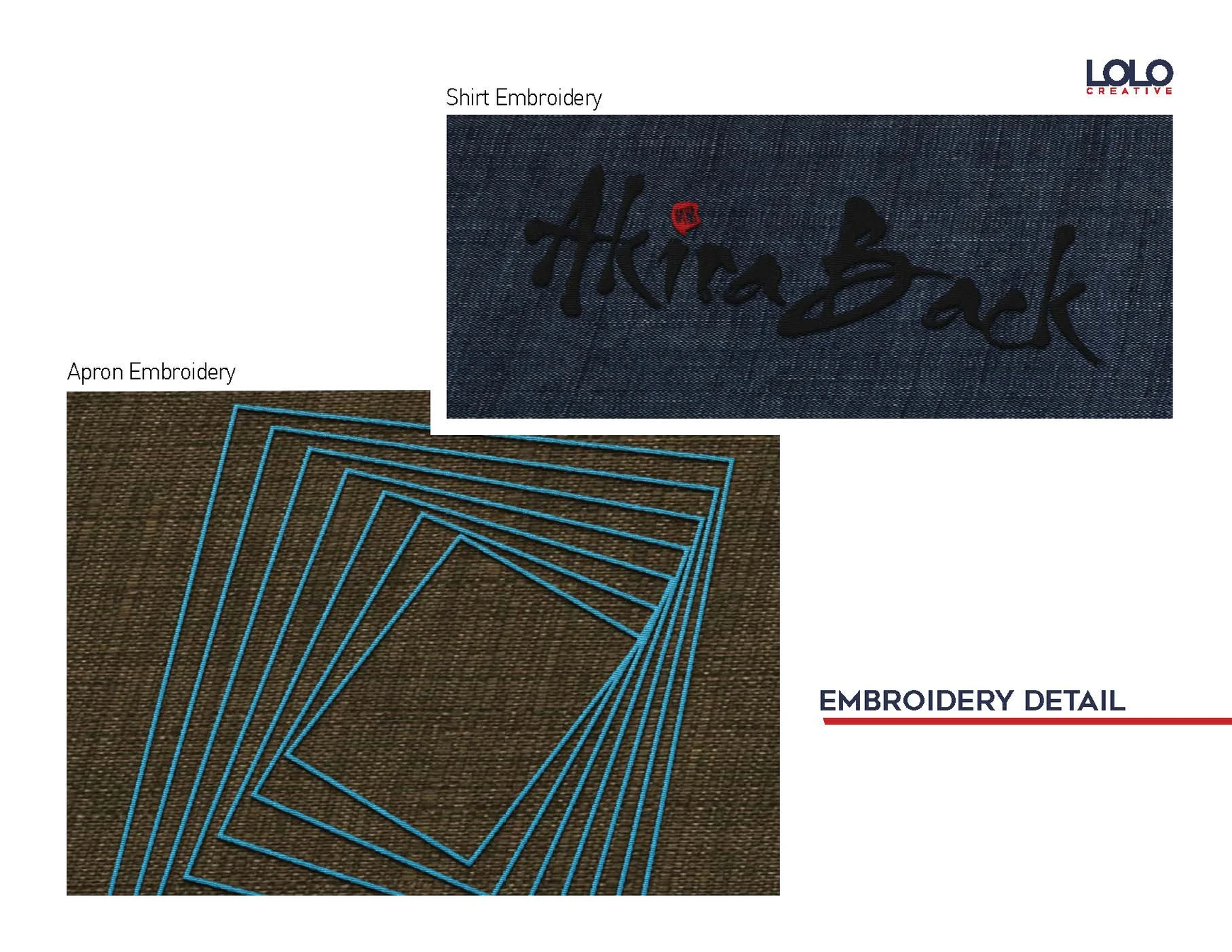
Colour plays a key role. Deep charcoal, ink blue, or bone neutrals can mirror architectural tones and lighting schemes. Textures can echo the materials of the space — the matte finish of plaster, the gleam of marble, the warmth of oak. The uniform becomes an extension of the interior palette, not an interruption.
The Conversation with Architecture
Designing for fine dining requires a deep dialogue between disciplines. Architects and interior designers set the visual rhythm; the uniform must complete it.
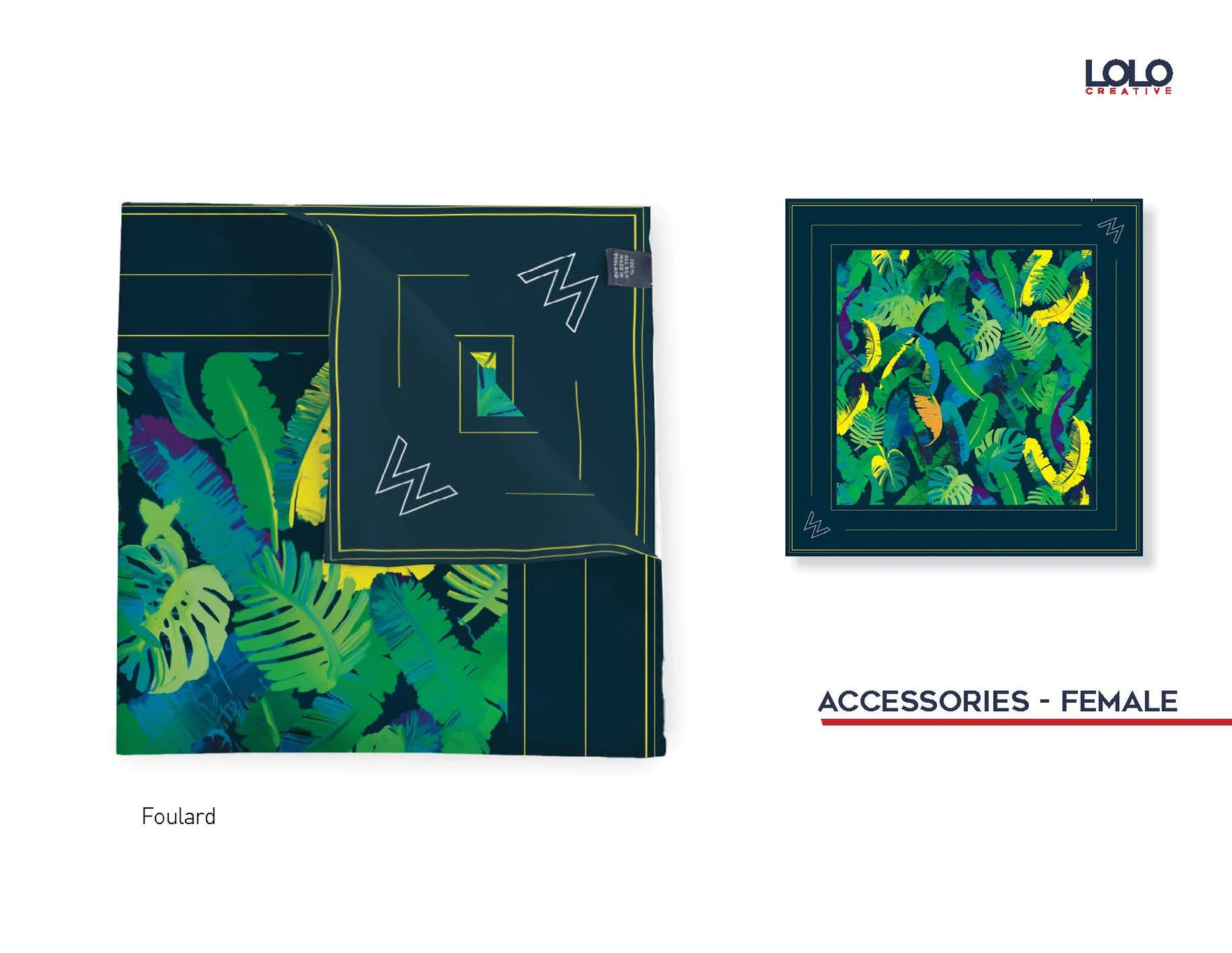
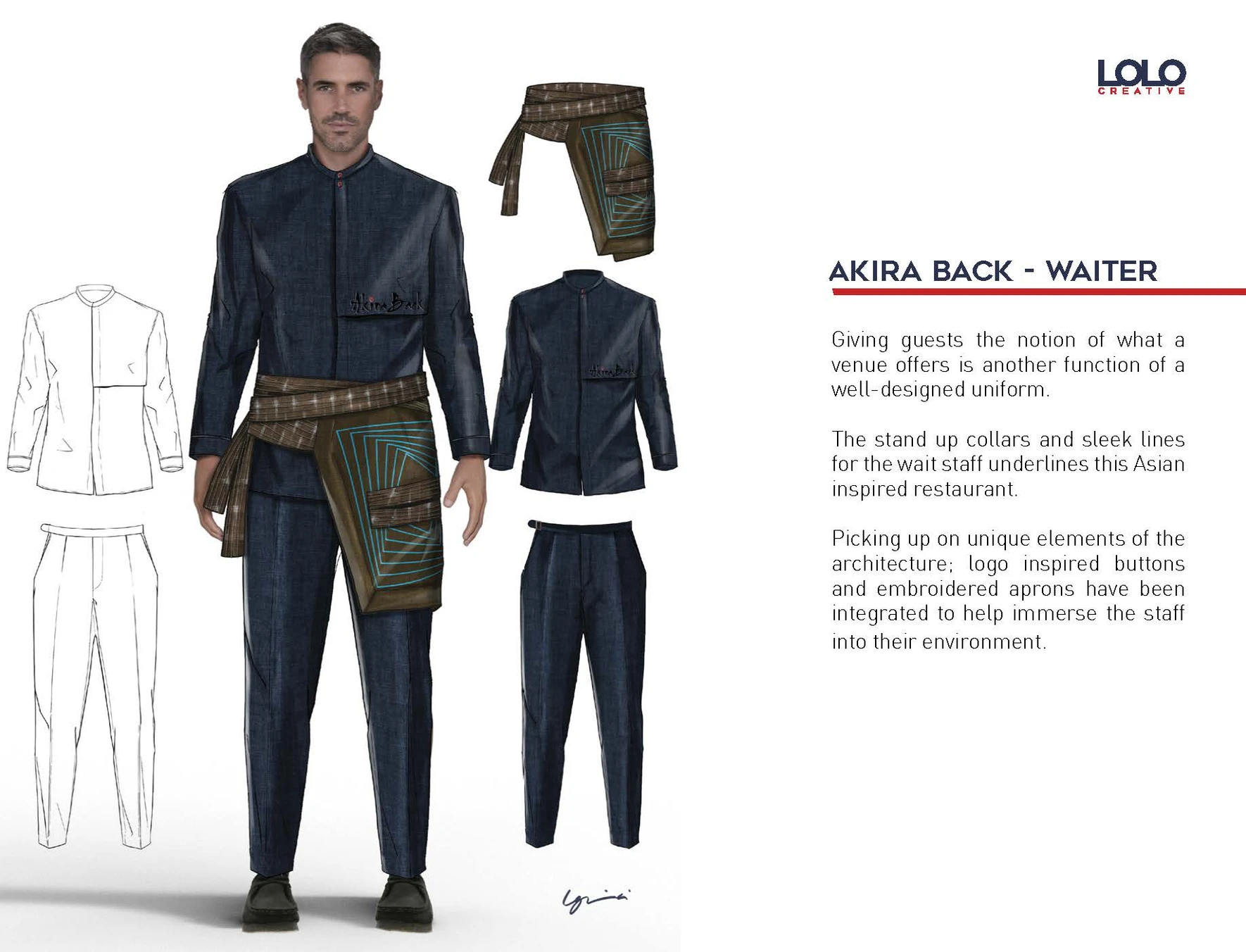
In practice, LOLO works closely with design teams to ensure that staff attire reflects the same language of the environment. If a restaurant’s aesthetic leans toward Japanese minimalism, the garments might reflect simplicity and restraint — clean lines, precise cuts, absence of embellishment. If the interior is maximalist and layered, the attire may borrow subtle cues: richer tones, structured tailoring, or statement accessories.
This integration elevates the entire sensory experience. Guests may not consciously note it, but they feel it.
Heritage and Innovation
True luxury resides in how the past and future meet.
Restaurant uniforms carry a long heritage — from the crisp whites of classic French service to the navy jackets of British clubs. Reinterpreting these codes demands restraint. The goal is to preserve the authority of tradition while translating it into a modern idiom.
For instance, a maître d’s jacket might be tailored with a softer shoulder, or a chef’s coat reimagined in lightweight technical fabric that still conveys formality. It is evolution, not reinvention.
This blend of heritage and innovation is where LOLO’s experience in film becomes a quiet advantage. In both cinema and hospitality, authenticity matters. The garments must feel truthful to their world.
Designing Experience
Guests at a Michelin-starred restaurant might spend two or three hours in the space. For the staff, it is their stage for eight to ten hours a day. Comfort is not a luxury; it is essential to performance.
Designers must understand how fabric behaves under heat, motion, and light. How a jacket falls as someone leans over a table. How a sleeve moves when carrying a tray. Every crease, every reflection, matters.
This is where the process becomes deeply technical. Prototyping and fittings ensure garments move with the wearer. Hidden fastenings, reinforced seams, and flexible waistbands become invisible design details that preserve the garment’s precision long after its first service.
Sustainability in Luxury
The conversation around sustainability is reshaping luxury. Restaurants that source locally and minimise waste are looking for design partners who reflect the same values.
Durability becomes a sustainable choice. Garments made to last years, not seasons, reduce waste and cost over time. Sourcing responsible fabrics — organic cottons, recycled blends, low-impact dyes — is no longer niche but expected.
Sustainability is inseparable from craftsmanship. A well-made uniform, produced in limited runs and tailored precisely, consumes fewer resources than mass-produced garments replaced every few months.
The Invisible Design
The highest compliment for a uniform is when it goes unnoticed. Not because it lacks presence, but because it belongs so completely to its environment.
Guests feel the harmony of a space before they see it. When staff attire merges with architecture, light, and atmosphere, the illusion is complete. The restaurant becomes a single, coherent experience.
This is why design for luxury hospitality requires intuition as much as technique. It demands an understanding of how people move, how they interact, and how subtle visual cues influence mood.
Beyond the Dining Room
As restaurants evolve into multi-sensory environments — part performance, part lifestyle — the role of design broadens. A uniform must photograph well, translate across social media, and maintain its integrity under different lighting conditions.
In a visual culture, every frame counts. The way a sleeve drapes or a fabric catches the glow of candlelight contributes to the brand image as much as any marketing campaign.
Designing attire for fine dining is a study in restraint and precision. It requires understanding not only fashion and function but psychology.
Every commission is treated like a world-building exercise. Each garment supports a story, a rhythm, a vision.
Because when design works perfectly, you do not notice the uniform at all. You feel the experience.
Designing Harmony: The Collaboration Behind the Modern Dining Uniform
In fine dining, every detail depends on collaboration. A plate does not stand alone. It speaks the same language as the room, the sound, the light, and the people who move through it.
Uniform design sits at the centre of this conversation. It links the visual rhythm of a restaurant with the human experience that defines it.
Every uniform begins with a question: how do we make the atmosphere visible?
The Chef’s Vision
The process starts in the kitchen. The chef defines not only flavour but feeling. The menu’s tone often sets the first creative cue for the design team.
A tasting menu built on precision might suggest clean tailoring and quiet restraint. A concept rooted in rustic sharing might call for texture, warmth, and softness. The uniform becomes an echo of the cuisine.
Chefs understand performance better than anyone. They know what it means to work under heat, time pressure, and scrutiny. Their feedback shapes the garment’s structure: how sleeves move, where ventilation matters, how fabric behaves under repeated washing.
This insight grounds every design decision in practicality. The most elegant uniform fails if it does not perform under service.
The Architect’s Role
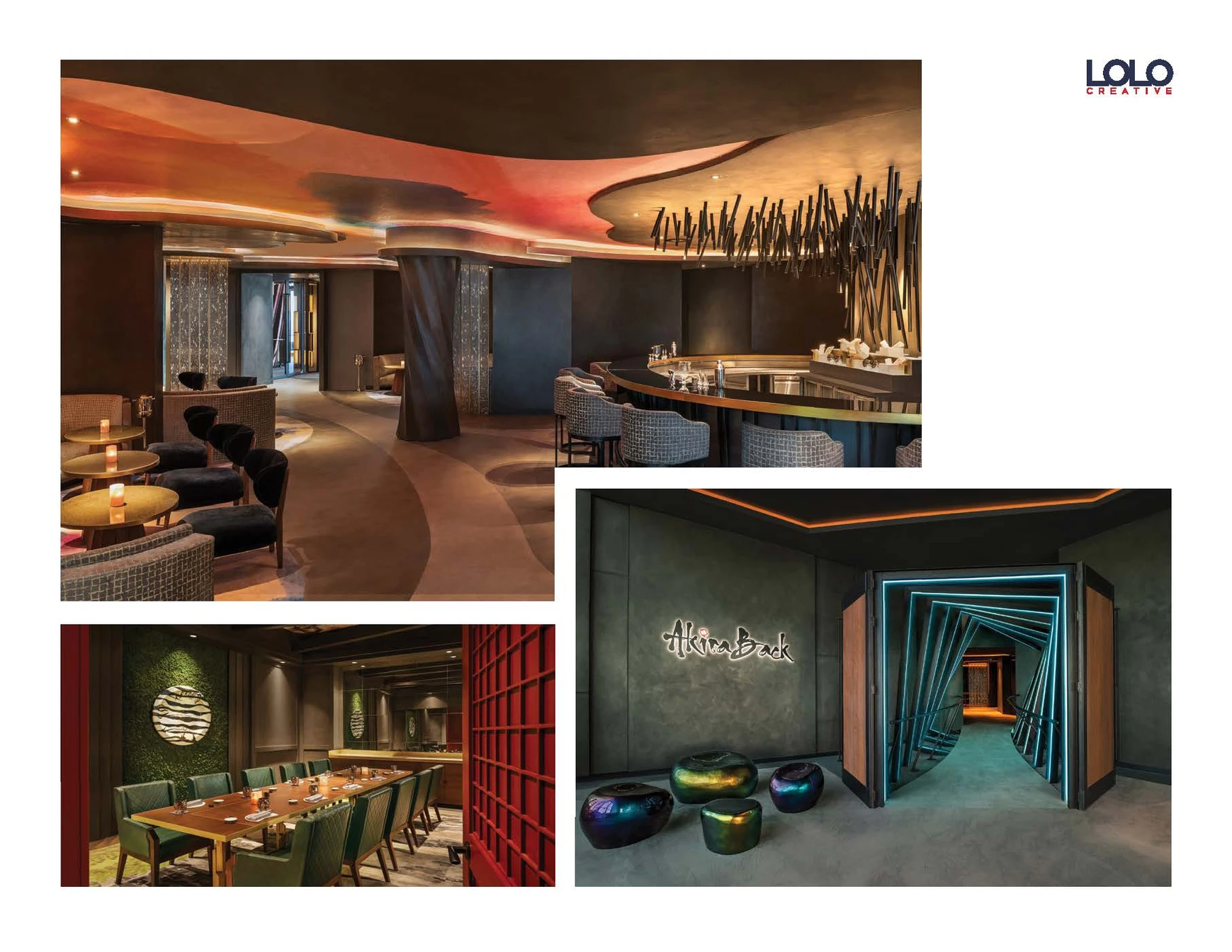
Architecture defines the stage. The designer reads the space to understand proportion, colour, and material. A uniform must neither compete nor disappear. It should complete the picture.
If a restaurant features natural stone, aged brass, or soft linen upholstery, those textures inform fabric selection. If the space is geometric and sculptural, the cuts might follow clean lines and controlled shapes.
Collaboration with architects begins early. Swatches are compared with wall finishes, sketches align with seating plans, and lighting tests reveal how fabrics behave under real conditions.
This precision creates coherence. Guests do not see separation between room and staff; they sense one continuous aesthetic.
The Designer’s Dialogue
The role of the uniform designer is part artist, part engineer. They translate the chef’s functional needs and the architect’s visual language into a garment that feels inevitable.
Each project starts with conversation. No mood board or sketch appears until the team has listened. What does the brand want to express? What mood defines the service? How should staff feel when they wear it?
This human element matters. Confidence changes posture, movement, and expression. A well-designed uniform empowers staff to inhabit the brand with ease.
The designer’s task is to capture the restaurant’s spirit in form and fabric — the way a sculptor captures character in clay.
Craft and Fit
The making process is meticulous. Pattern cutters refine the silhouette so it flatters different body types while maintaining consistency across the team. Tailors balance structure with ease. Every fitting is treated like couture, because in hospitality, fit determines confidence and comfort.
The goal is to make the wearer forget the garment. It must feel natural, as if it belongs to the person and the place simultaneously.
Fabrics are tested for breathability, stain resistance, and durability without sacrificing elegance. Hidden stretch panels, adjustable fastenings, and lightweight linings are integrated invisibly. The result is a uniform that performs quietly but beautifully.
Colour and Light
Colour choice is a language of its own. It must respond to the space, the lighting, and the brand’s tone.
A dimly lit restaurant might require lighter shades to keep faces visible. A sunlit terrace may call for muted, cooler tones that absorb glare. The palette can also guide behaviour: deep hues convey authority, pale ones suggest approachability.
Lighting studies often inform final decisions. Samples are viewed under both day and candlelight to ensure consistency. The process borrows from cinema, where wardrobe design is judged as much by how it photographs as how it feels.
Building Identity
Uniforms are a subtle form of branding. They communicate values without words.
When staff wear garments designed with precision and respect for their craft, guests sense the care behind every aspect of the experience. The visual unity reinforces trust and signals intention.
For modern luxury restaurants, this identity must extend beyond the dining room. Staff may appear in photography, online content, or collaborations with lifestyle brands. The attire must hold its integrity across all contexts.
This is why bespoke design has become essential. Off-the-shelf solutions fail to capture the nuance of a brand built on detail.
Collaboration as Craft
True collaboration requires humility. Each discipline must listen to the others. A designer may adjust a silhouette to suit the chef’s movement, or shift tone to balance the architecture’s palette.
When dialogue replaces hierarchy, the result feels effortless. Guests sense the unity even if they cannot name it.
LOLO’s approach mirrors the creative process of haute couture. Every element is considered: the first sketch, the texture of a button, the drape of fabric in motion. But unlike fashion, these garments must survive daily use.
The challenge is to maintain beauty under repetition — to design for endurance without losing grace.
The Invisible Team
Behind each uniform is a network of artisans: pattern makers, cutters, machinists, embroiderers. Their work often goes unseen, yet they shape the garment’s final voice.
The precision of a seam, the sharpness of a lapel, or the feel of a lining determines whether a piece reads as luxury. In hospitality, guests rarely notice the craftsmanship, but they feel the difference.
Every stitch carries intention. The result is not spectacle but subtlety.
Future of Elegance
The new generation of restaurants approaches design with fluidity. Chefs collaborate with artists, architects work alongside sound designers, and uniforms are treated as design objects rather than afterthoughts.
Technology adds another layer. Breathable technical fabrics, stretch wools, and recycled blends allow freedom of movement and environmental responsibility. The challenge is to integrate these materials without losing the tactile richness that defines luxury.
The future lies in quiet innovation: design that performs invisibly, sustains gracefully, and communicates care.
Uniform design in fine dining is not decoration. It is conversation. It reveals how chefs, architects, and designers align their craft to create one continuous experience.
When done well, you do not see where one discipline ends and another begins. You only feel harmony.