
Bespoke Chef Uniforms
“It’s about creating garments”

Laurent Guinci
Designing costumes or uniforms for live environments is far more complex than it appears. It isn’t about sewing clothes. It’s about creating garments that look perfect under bright lights, withstand constant use, allow movement, breathe in heat, wash well, and still deliver the same visual impact day after day.
Most design or production teams underestimate the expertise required. They treat it as an extension of fashion design or simple tailoring. The result is predictable: materials break down, performers overheat, seams fail, silhouettes distort, and replacements drain time and budgets.
That’s where LOLO makes the difference. Our clients work with us because they don’t want to learn through trial and error. They want it done right the first time. Every project we take on benefits from decades of hard-won experience designing for film, theme parks, live entertainment, and luxury environments. We know how fabrics behave under heat, movement, sweat, and washing. We know how to combine durability with beauty, and comfort with precision.
You don’t need to know how to design a performance-ready costume or a service uniform that lasts. That’s our job. We guide you through each decision, advising on structure, materials, fit, and maintenance so you avoid costly mistakes.
When you work with LOLO, you don’t hire a supplier. You gain a partner who understands how to bring cinematic quality to practical, commercial use. Whether dressing a park team, a concert performer, or a five-star hotel staff, every detail is engineered for real-world performance.
LOLO exists for clients who want something special, not standard. We don’t chase volume or trend. We focus on projects where excellence matters and where design serves experience. That’s why the world’s leading entertainment brands, restaurants, and resorts trust us with their most visible people—the ones guests remember.
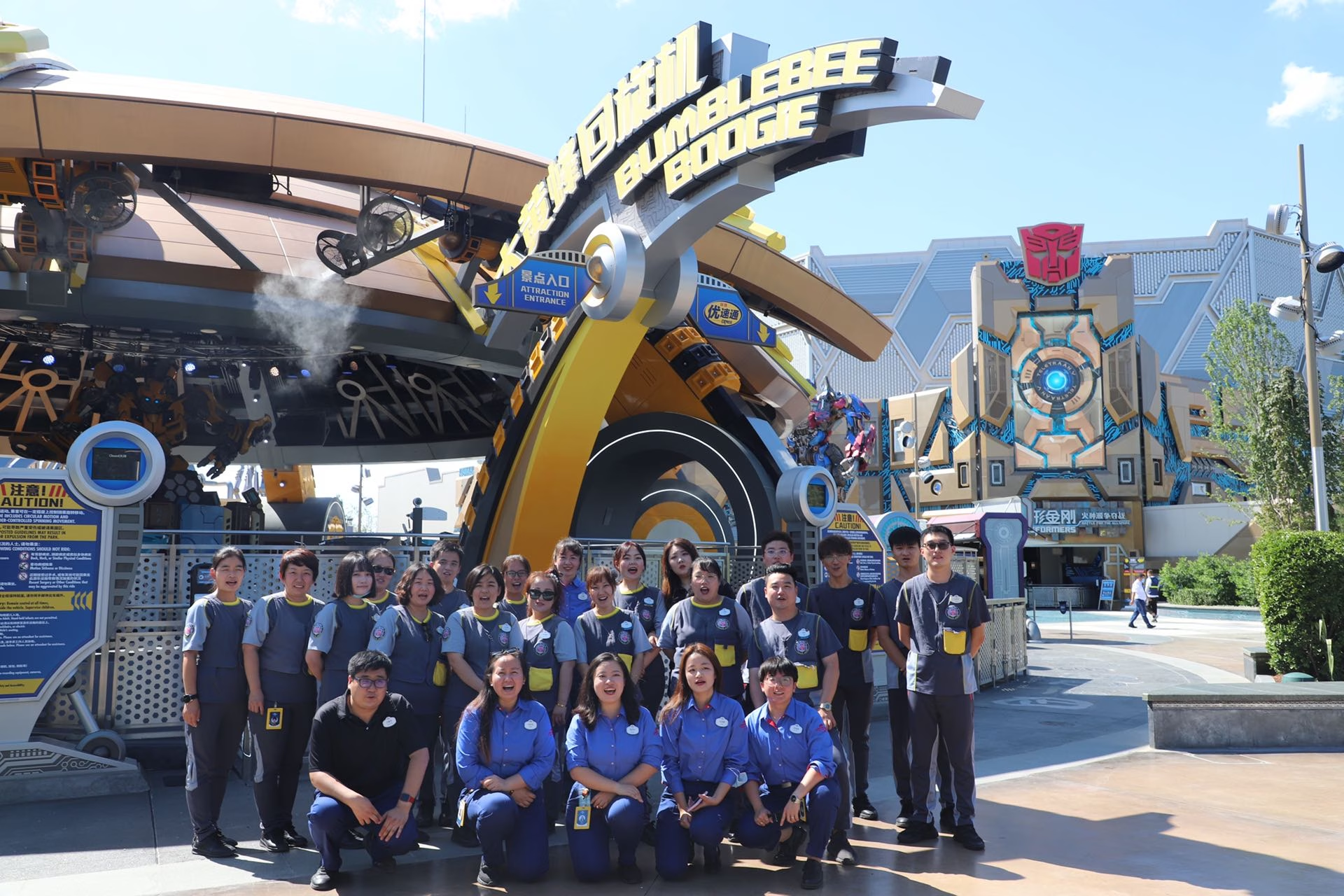

Film-level design discipline
LOLO brings film-level design discipline to every environment where people perform, serve, or represent a brand. Our approach blends creative vision with technical precision, ensuring every costume and uniform performs flawlessly under real conditions.
We treat each project as a collaboration. From the first meeting, we work with you to understand your environment, operations, and audience. That knowledge shapes the design, materials, and construction. Whether your performers need unrestricted movement, your restaurant staff need breathable elegance, or your park teams face weather and wear, every decision is made with purpose.
Our expertise lies in the detail most people miss. We engineer linings for airflow, choose fastenings that last through hundreds of uses, and balance form with comfort so garments look as good in motion as they do in design sketches.
We control every stage in-house, from concept design to final fitting. That ensures consistency, accountability, and efficiency. Our process is transparent, so you always know what’s being done, why, and when it will be delivered.
The result is a finished product that looks effortless but is anything but. Garments that elevate experiences, reinforce storytelling, and last season after season.
When you work with LOLO, you gain:
• Expert guidance at every step, removing the guesswork.
• Cinematic quality that enhances your brand’s world.
• Practical design that performs in real use, not just on paper.
• Proven reliability backed by experience with the world’s leading studios, parks, and hospitality brands.
LOLO delivers confidence as much as design. You’ll know the final result will fit perfectly, function beautifully, and represent your vision with integrity.
Trusted by Leading Brands
The world’s top studios, resorts, and restaurants rely on LOLO for costume and uniform design that delivers beauty, function, and consistency under pressure.








Proven Experience. Real Results
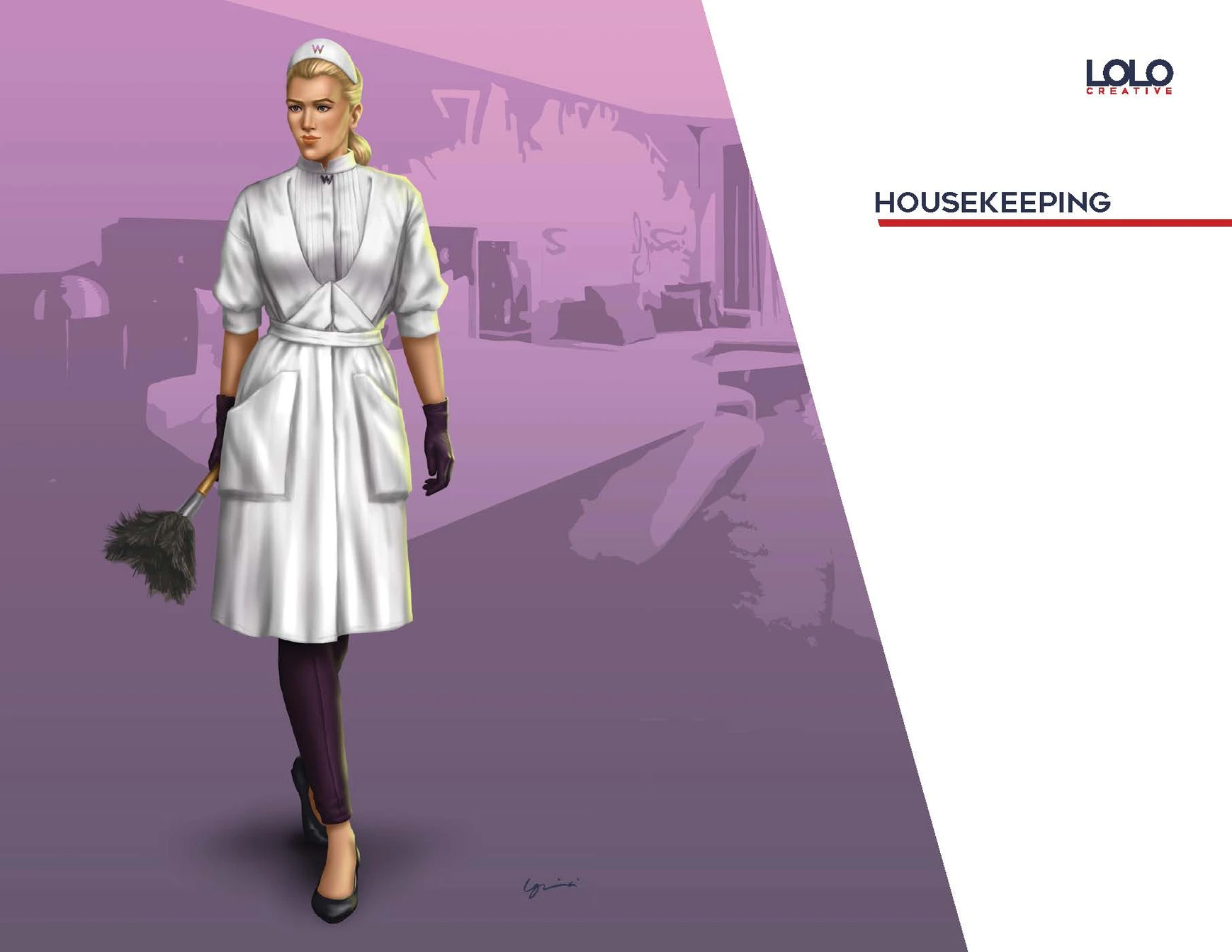
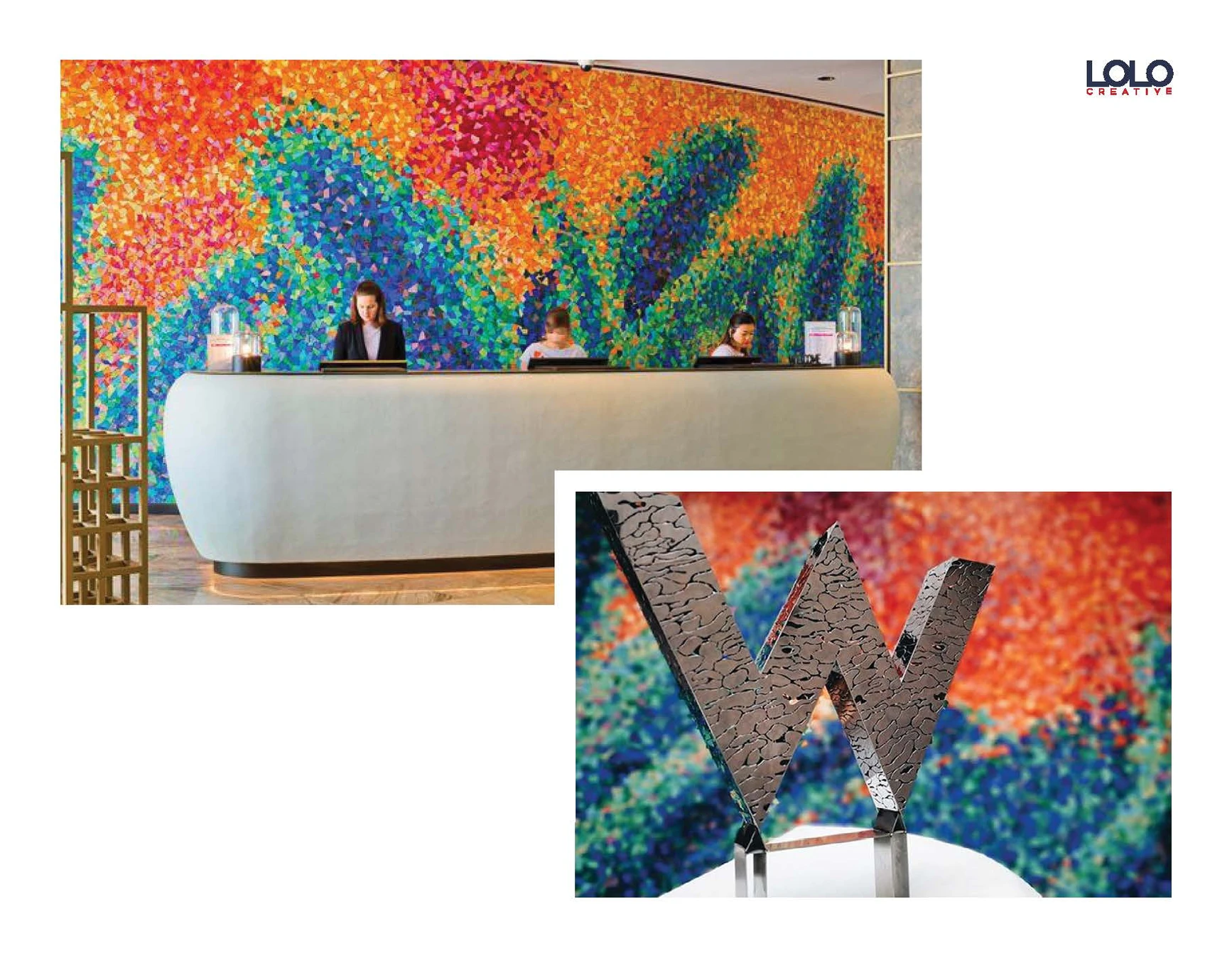
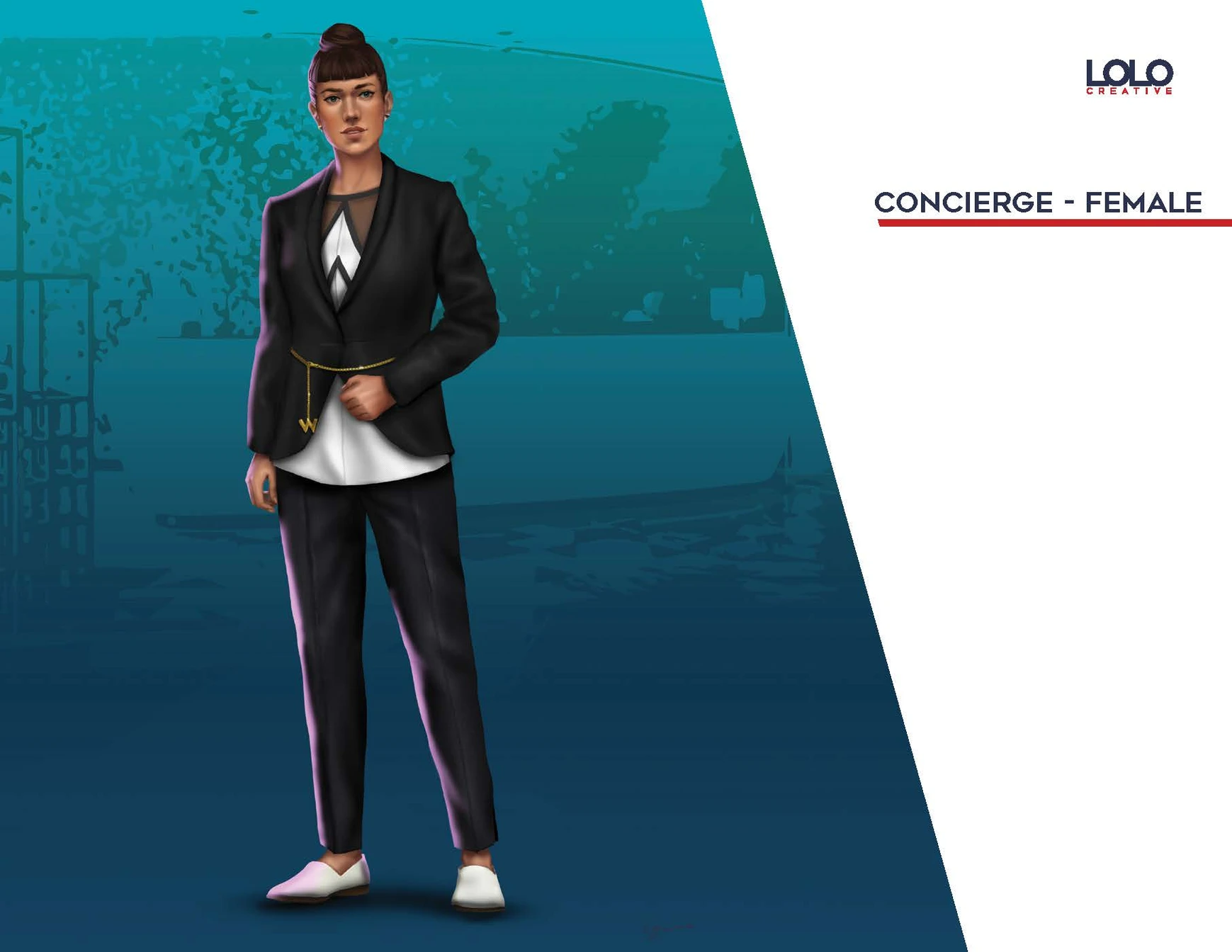
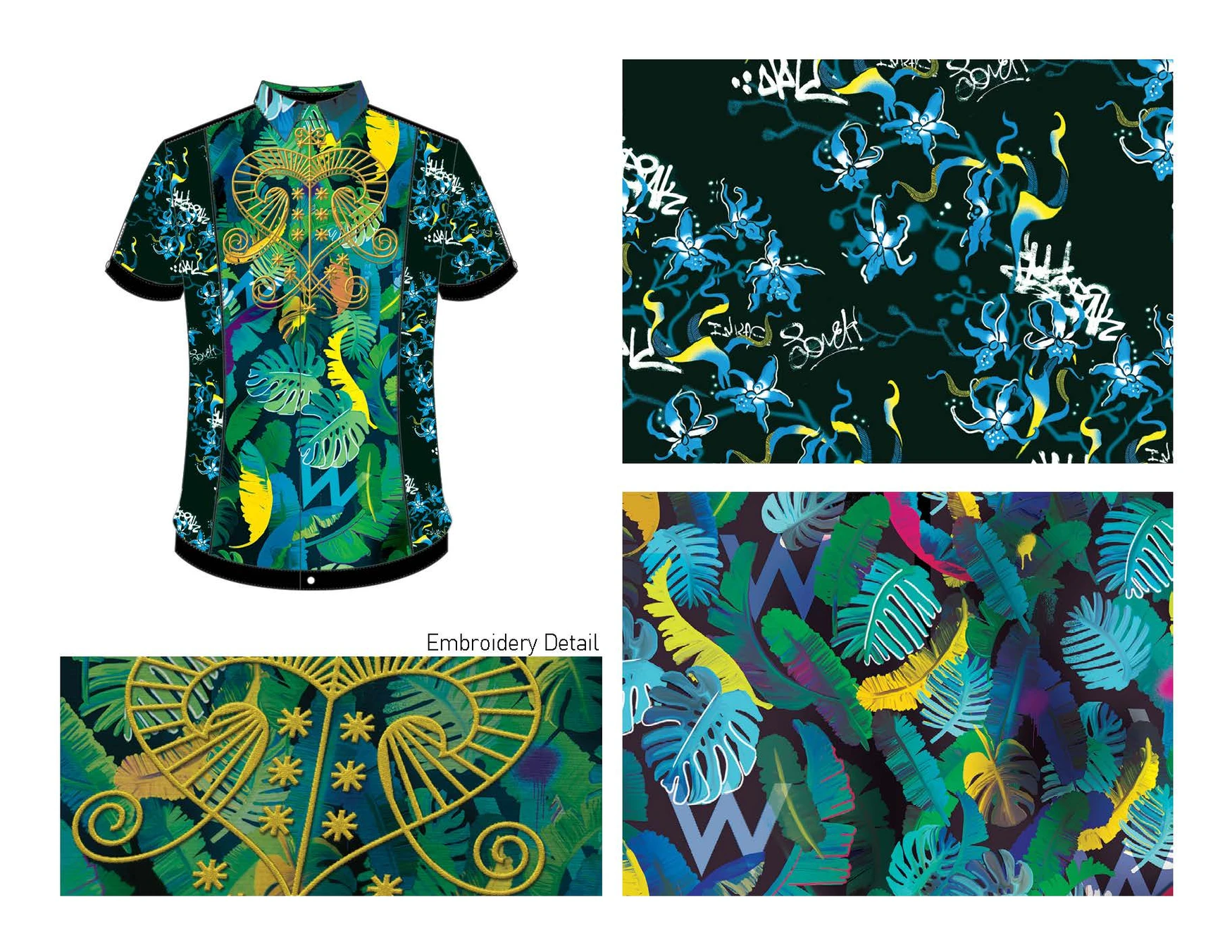
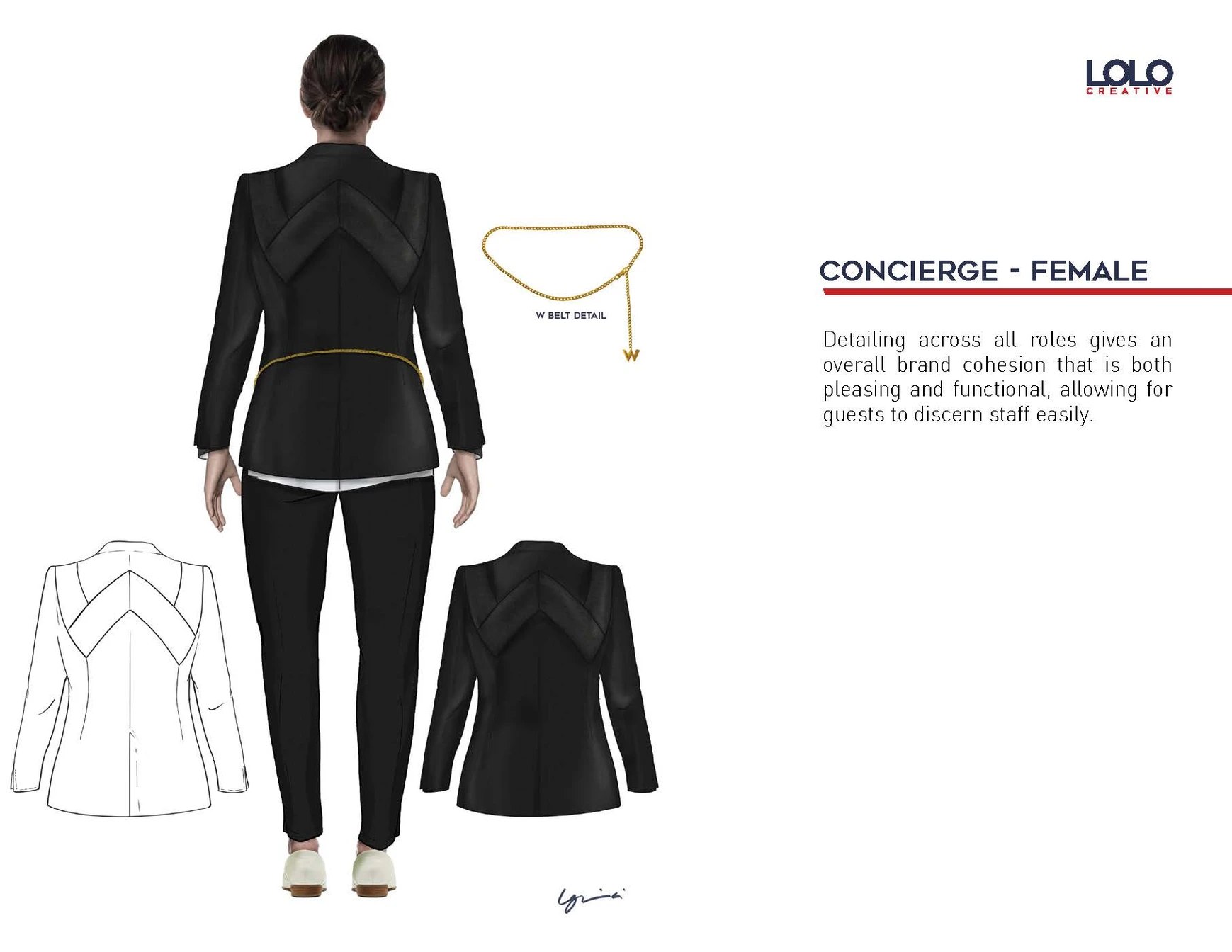
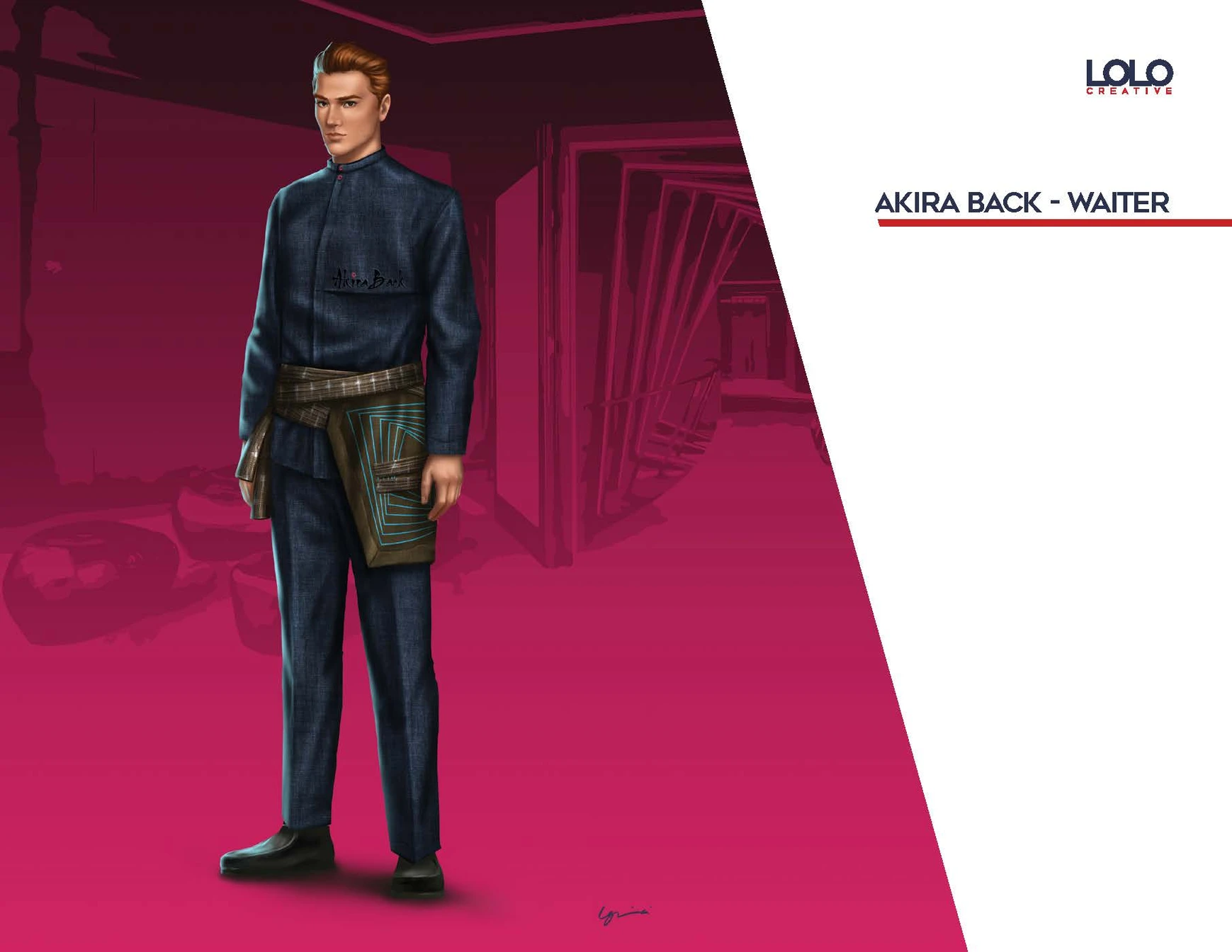
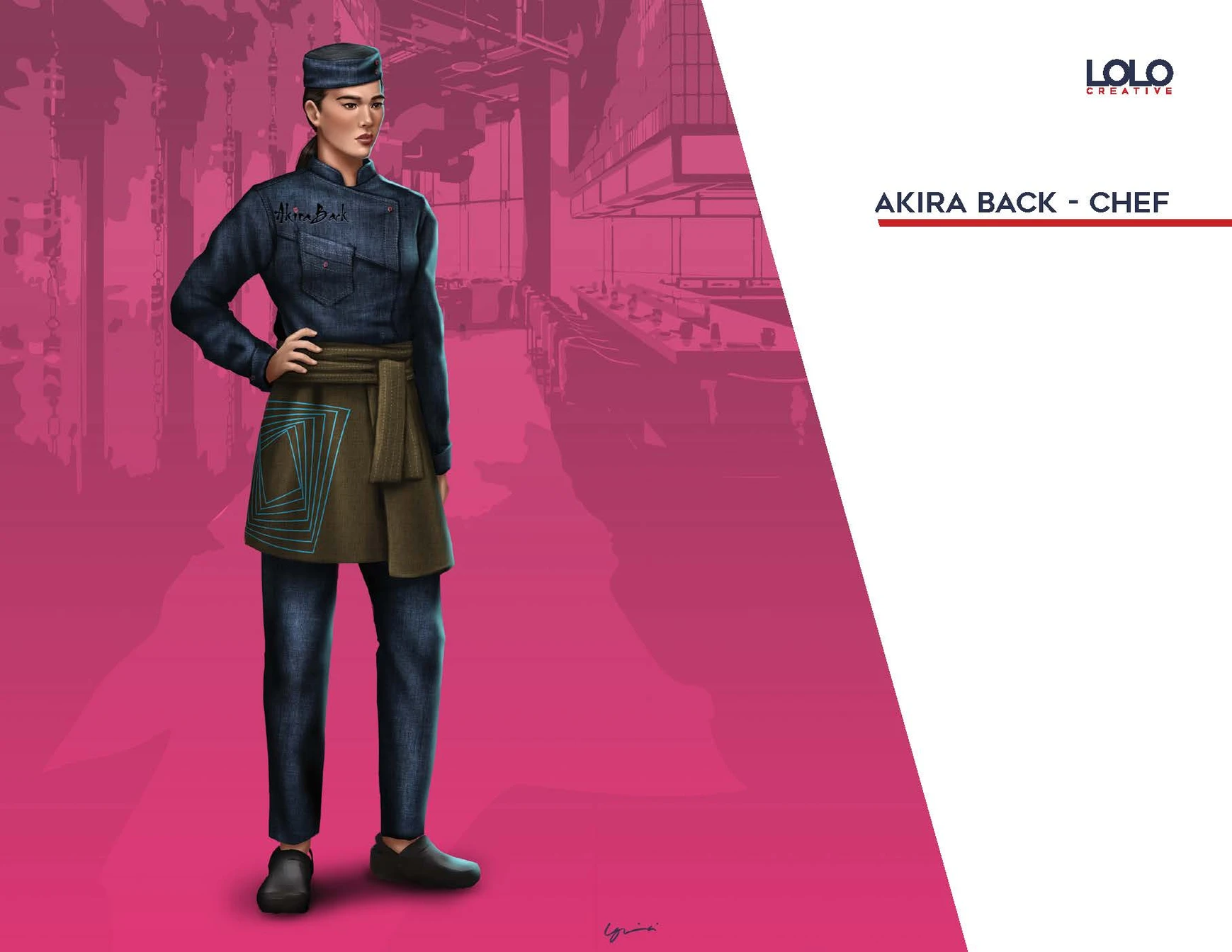
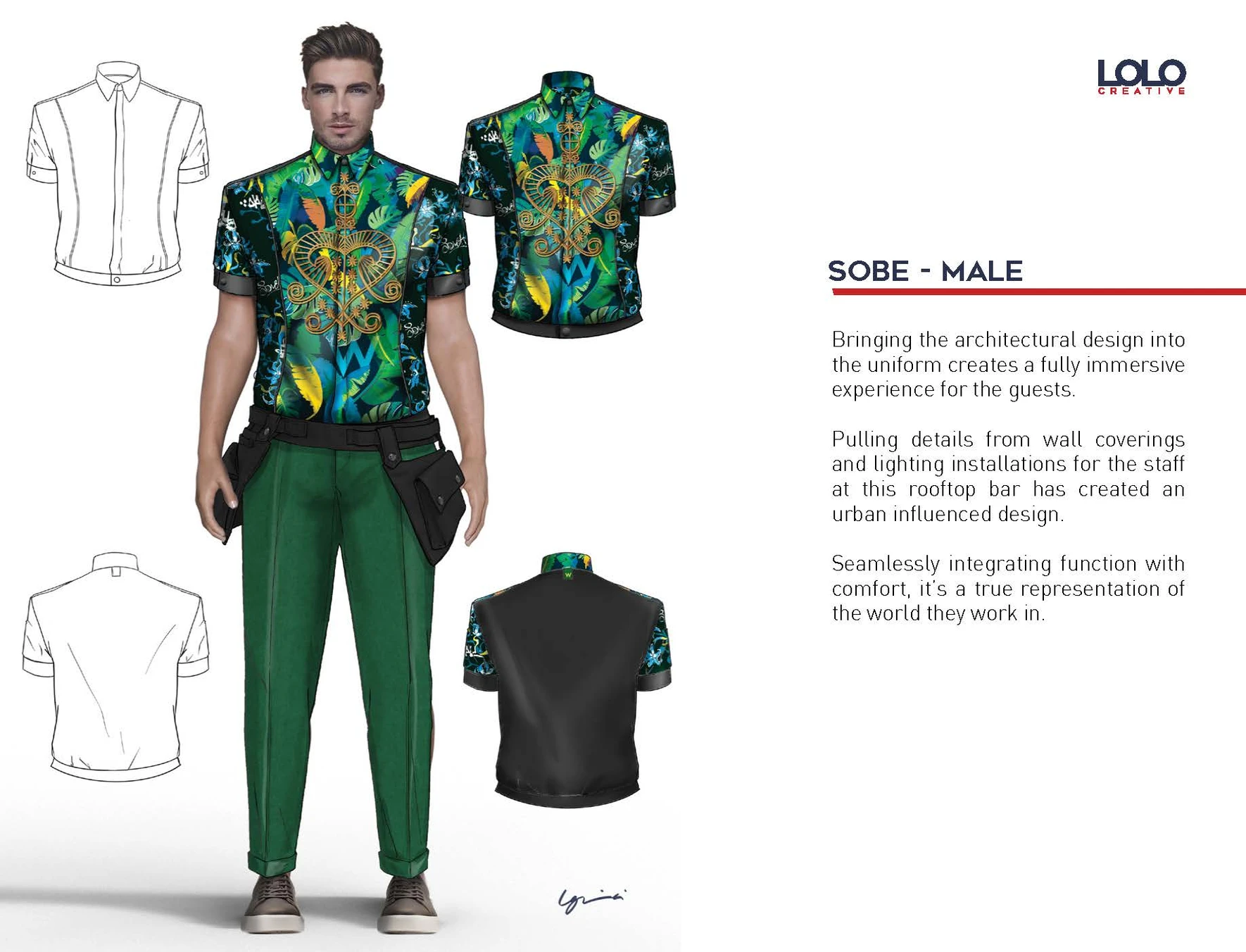
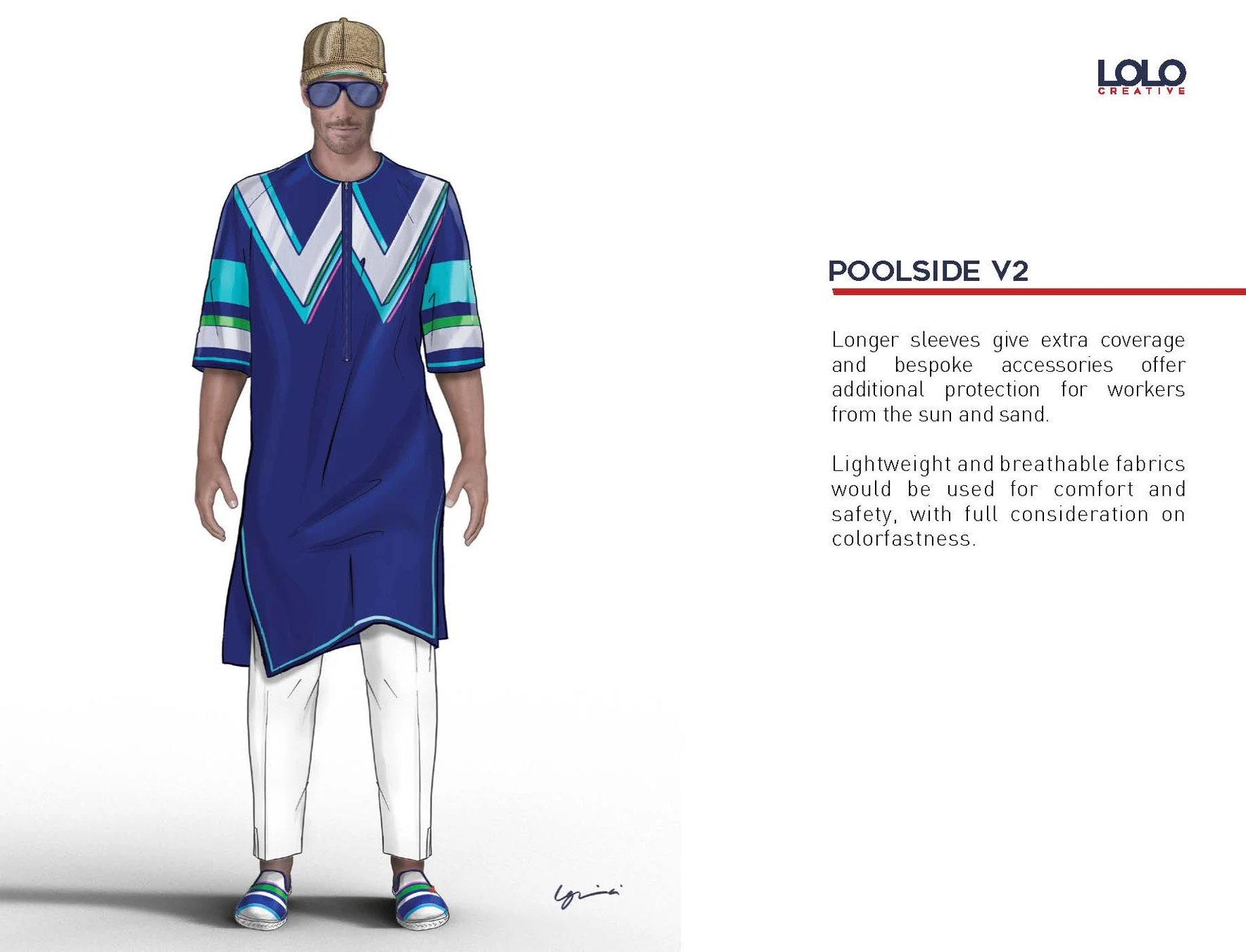
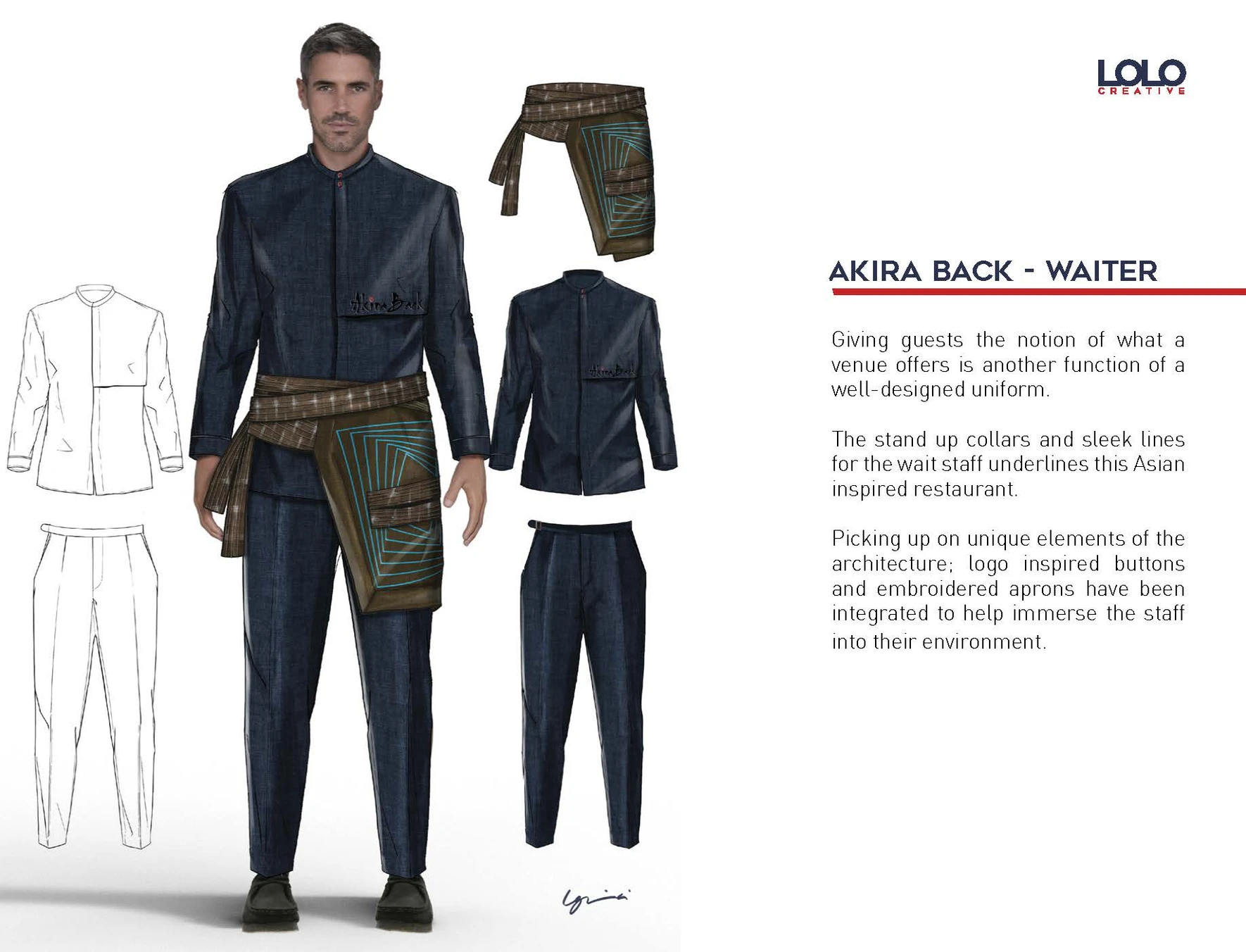
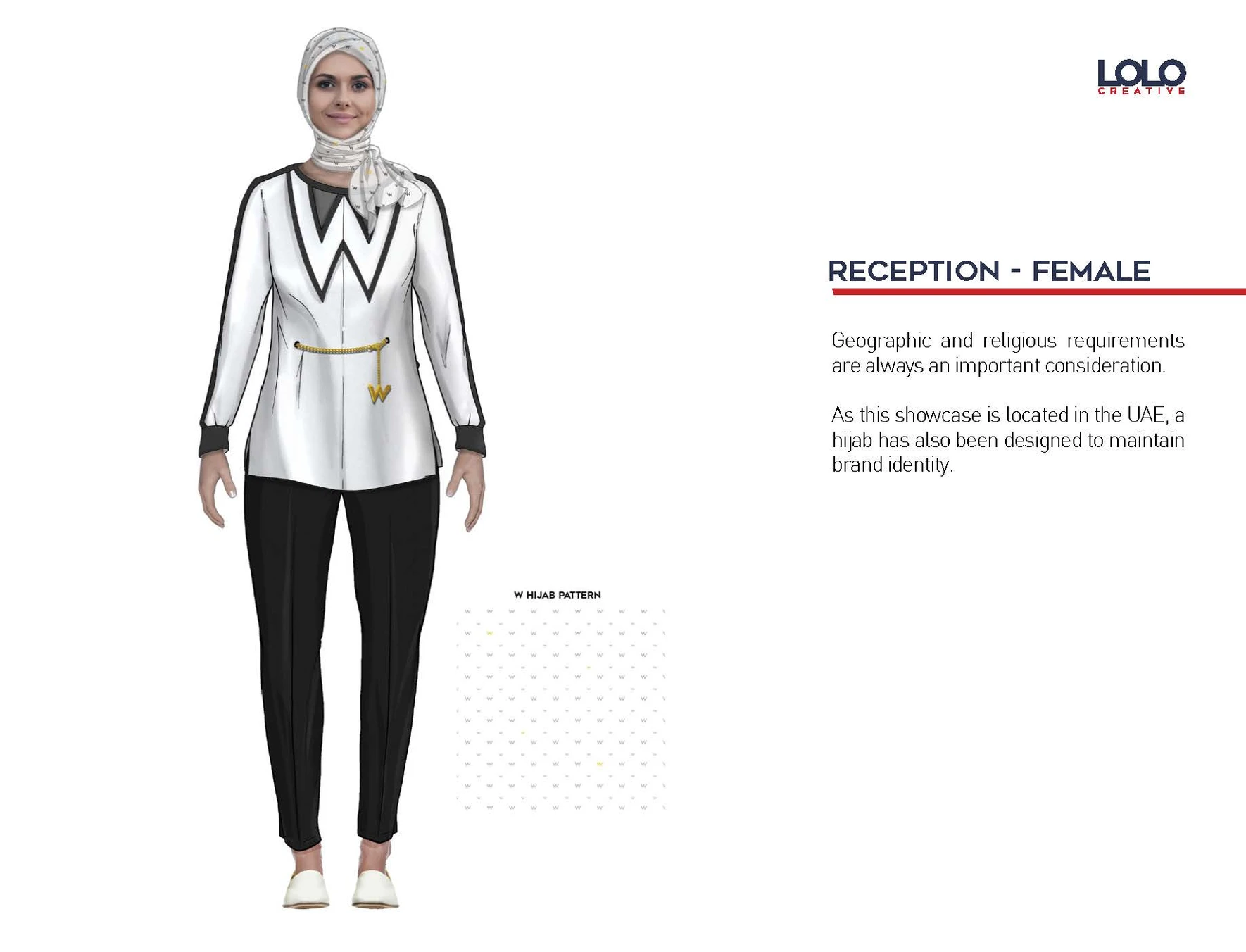
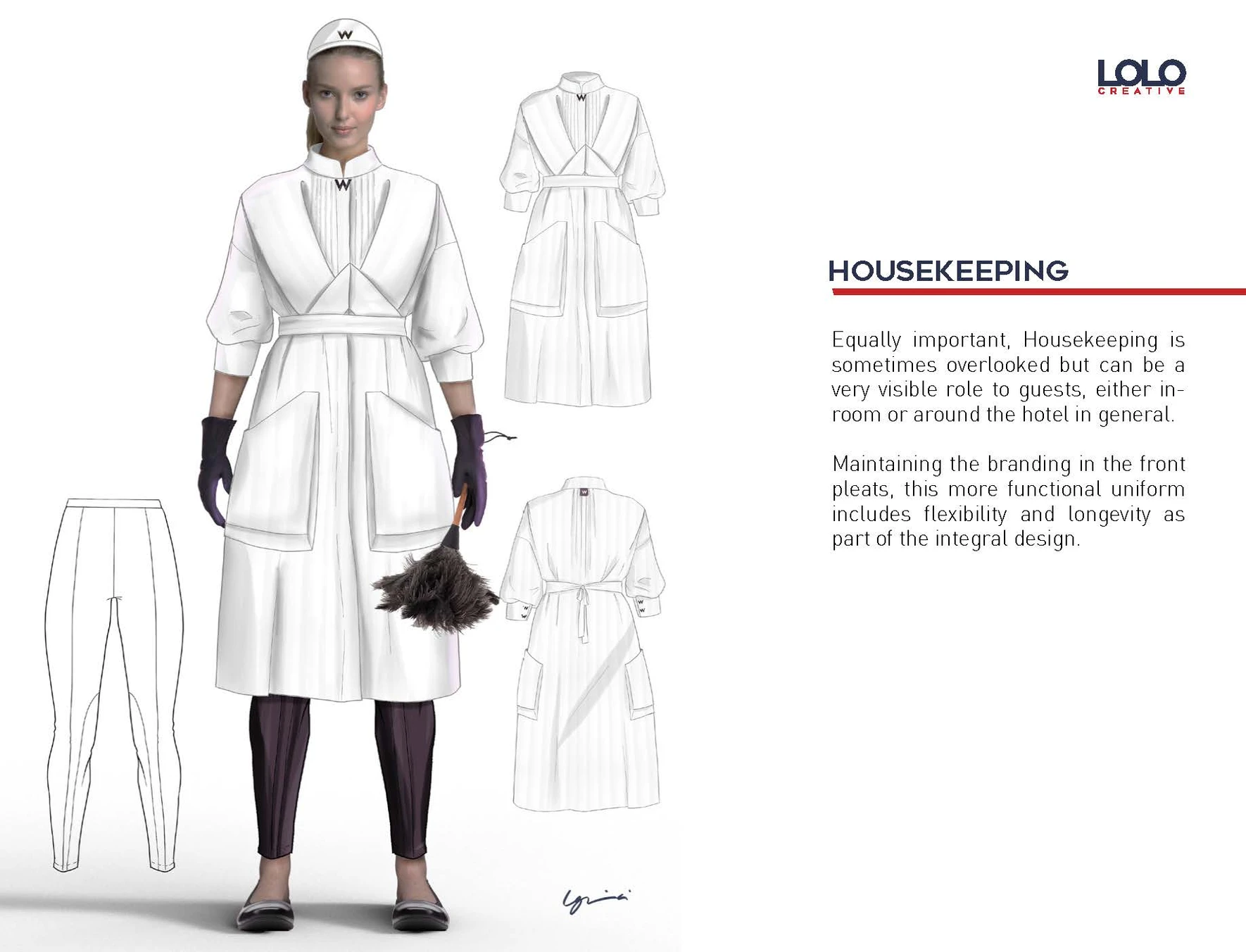
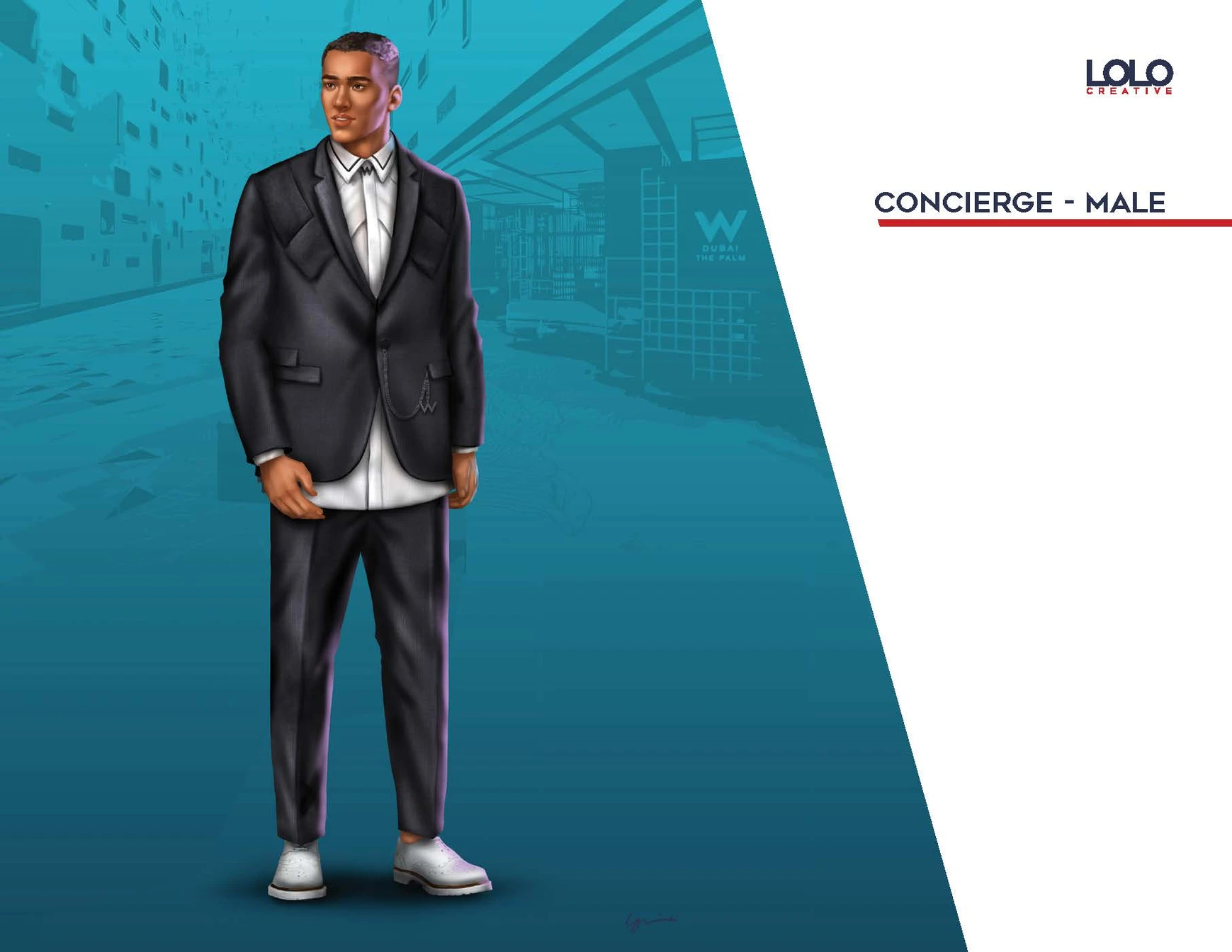
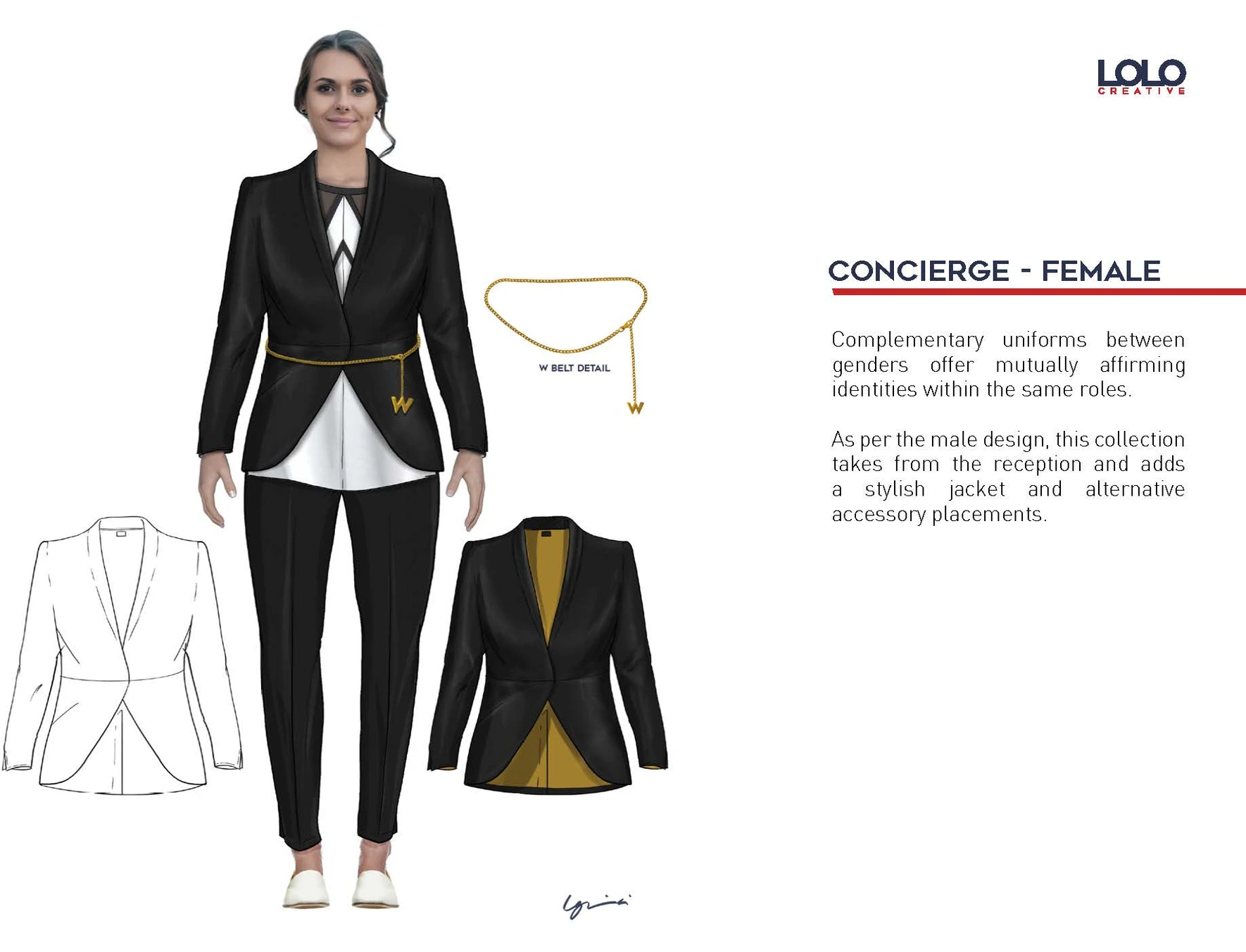
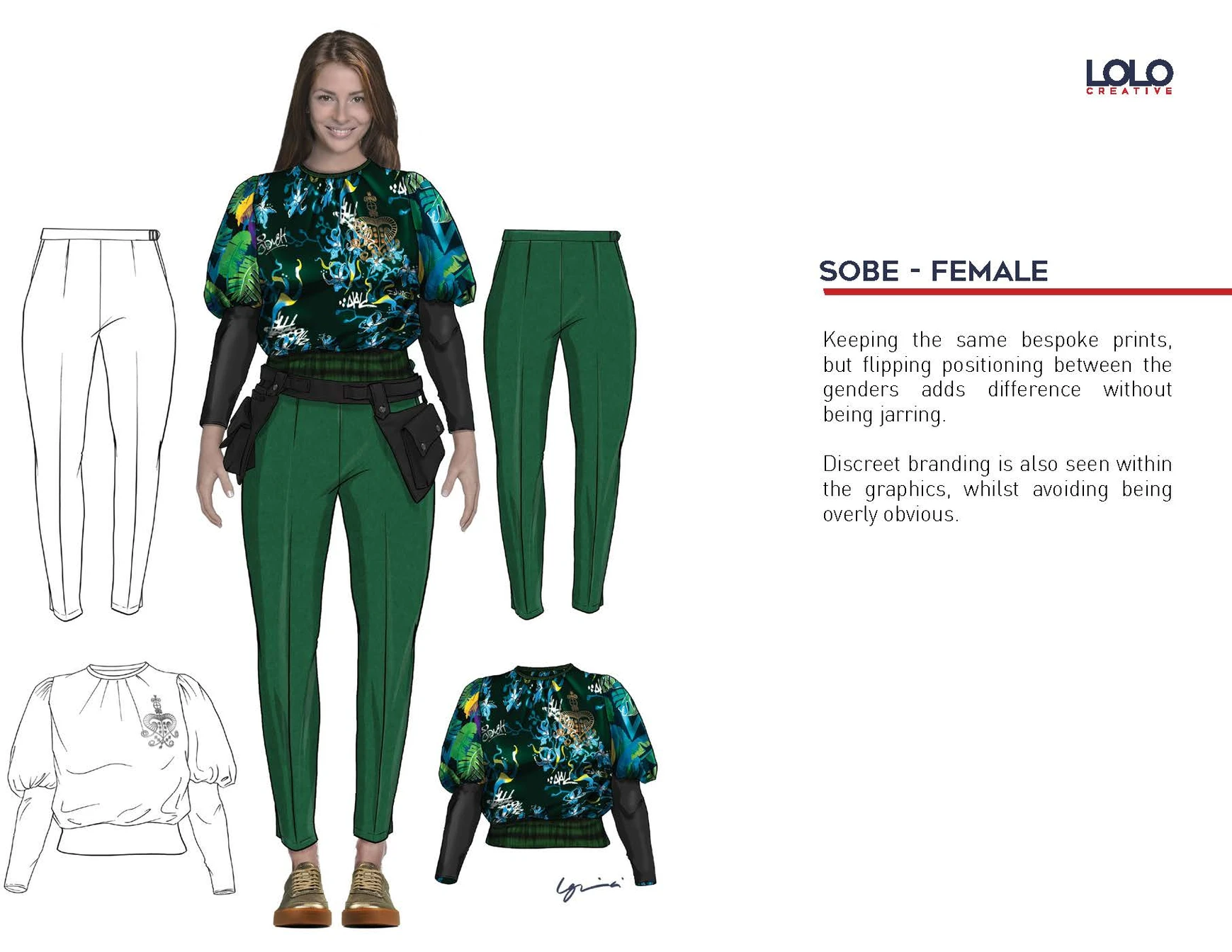
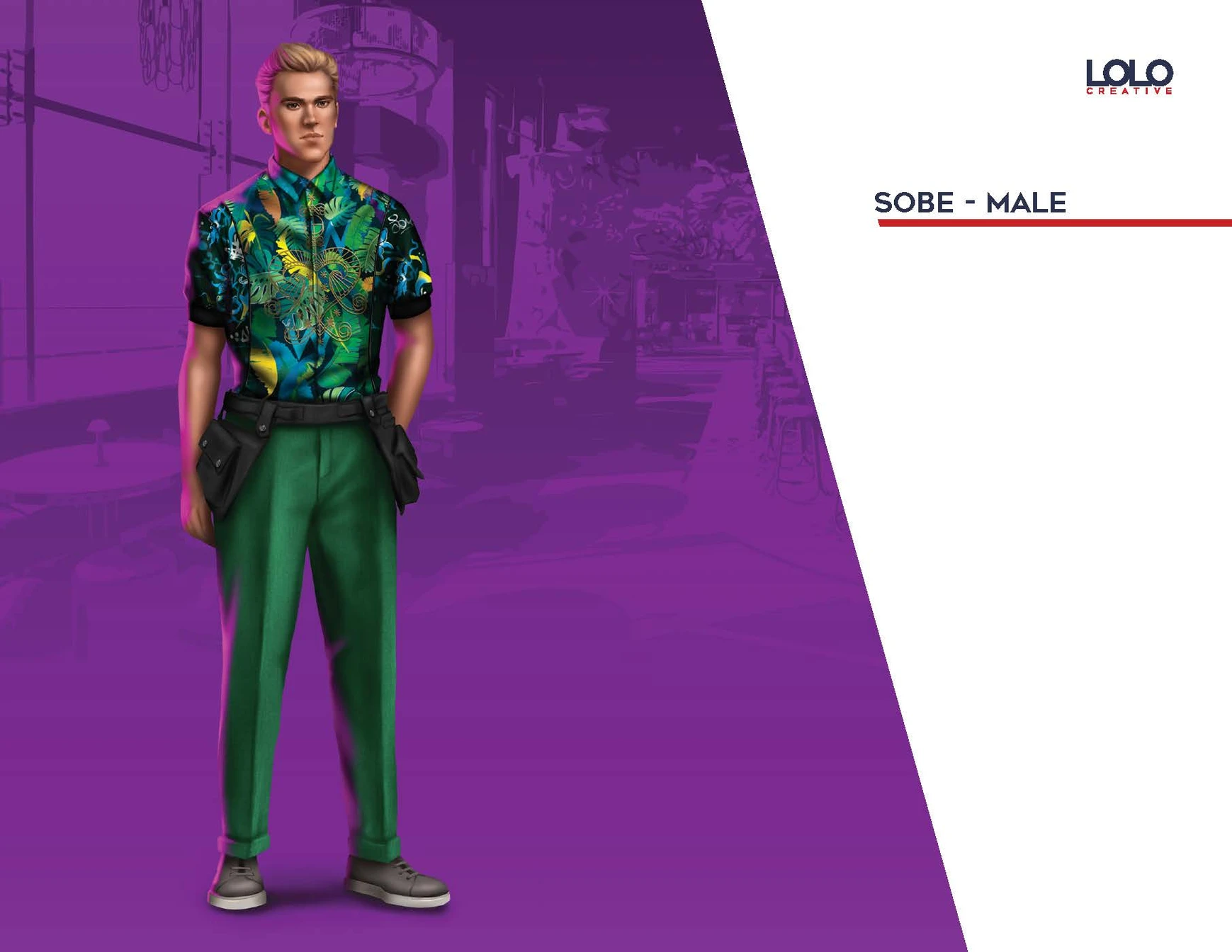
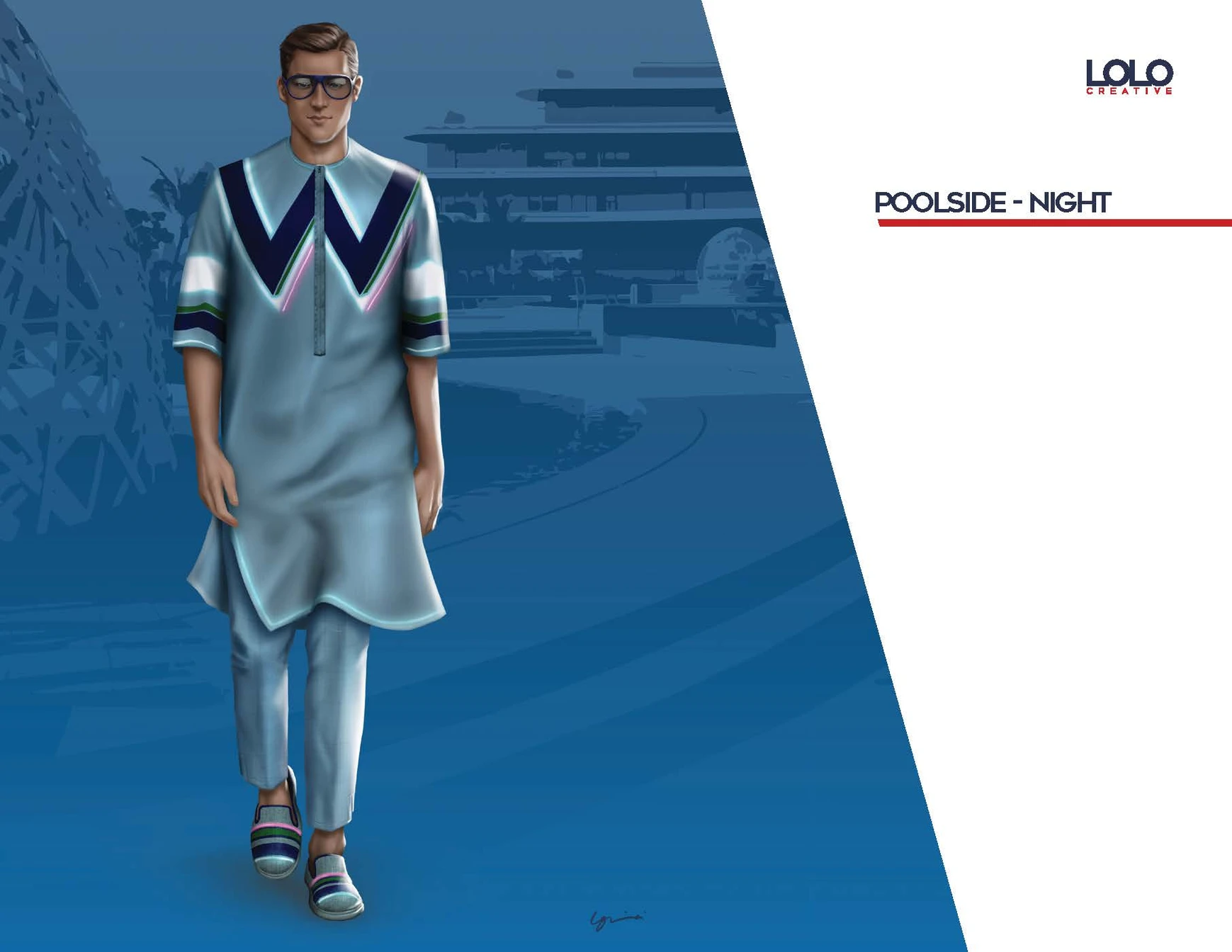
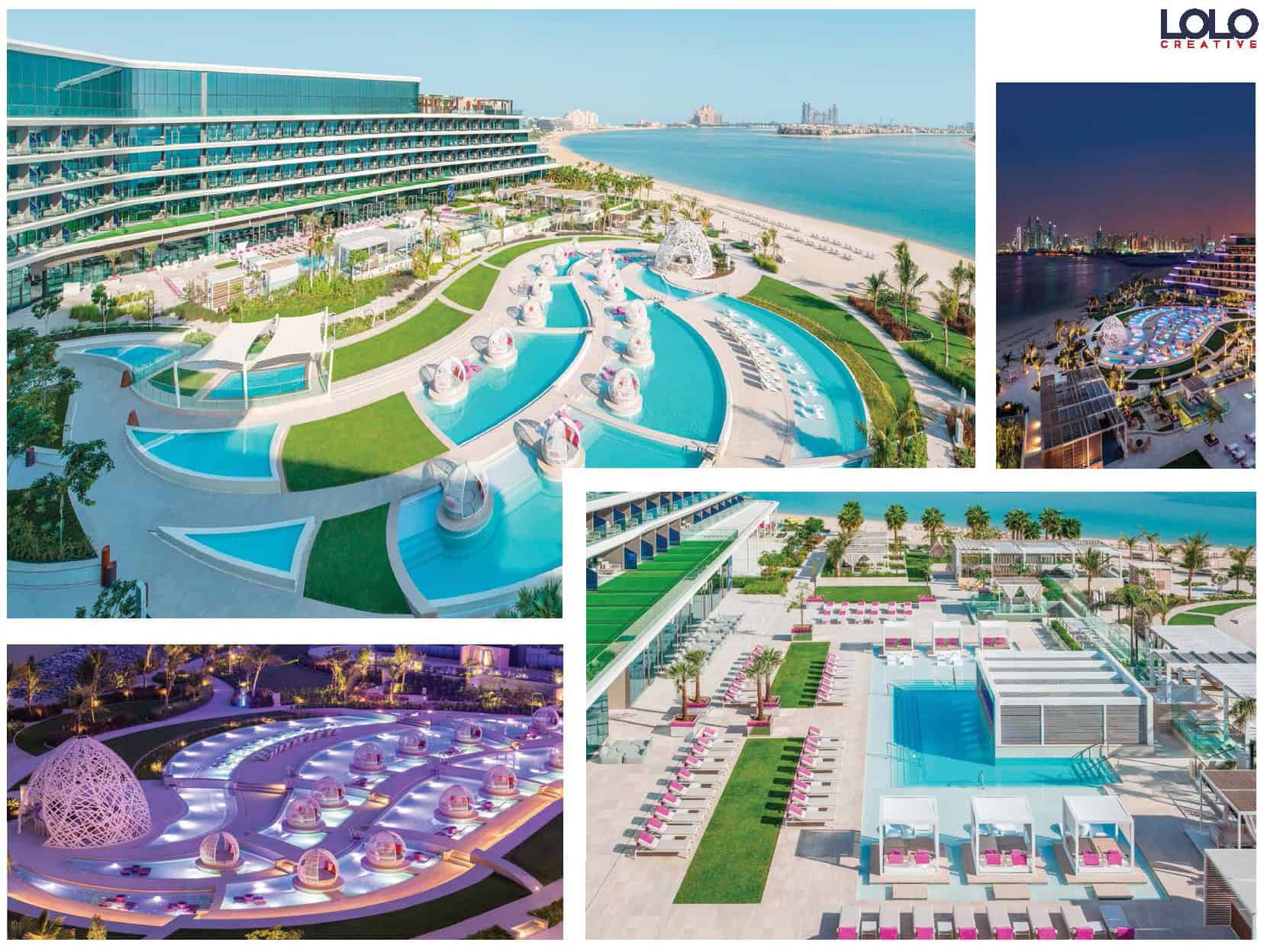
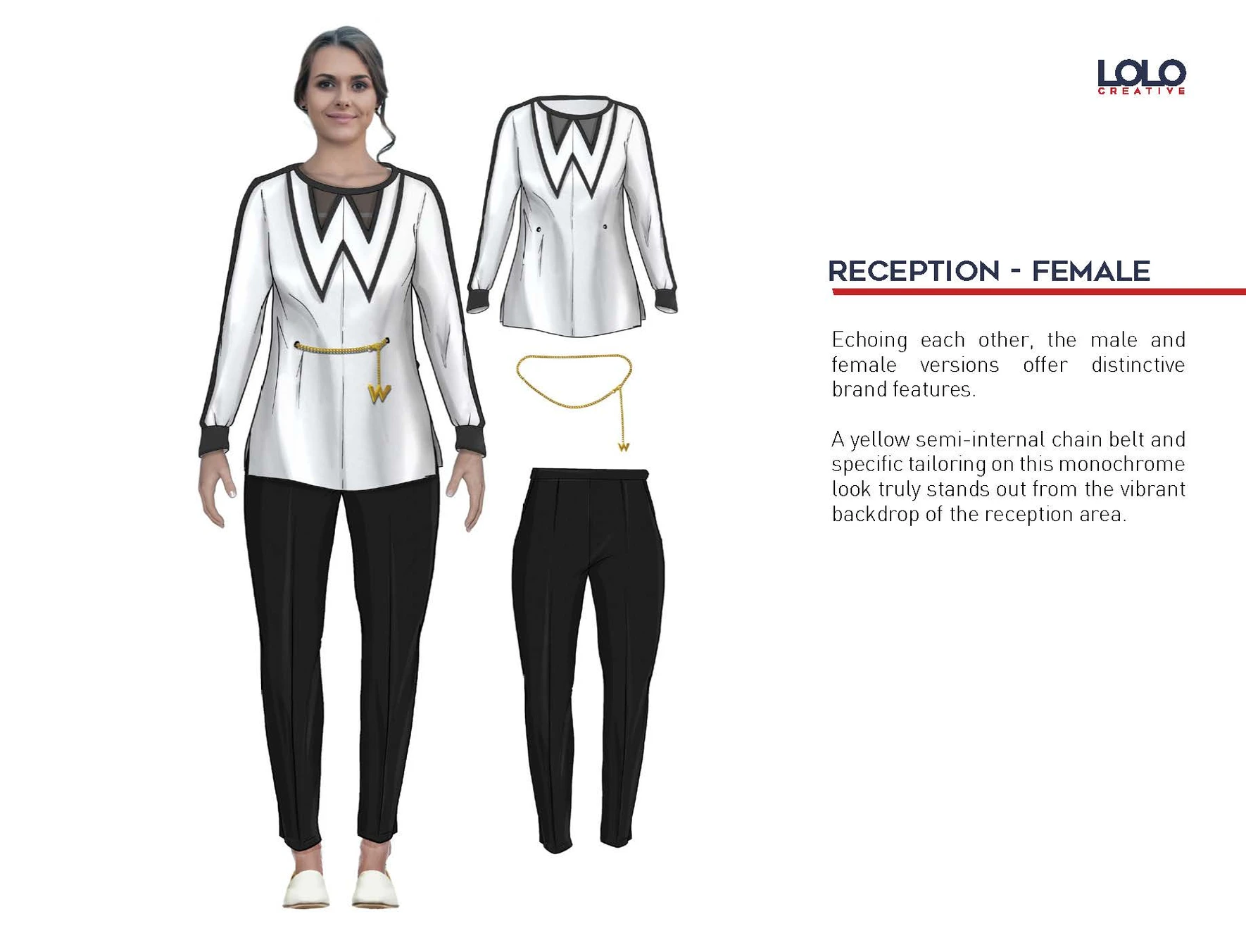
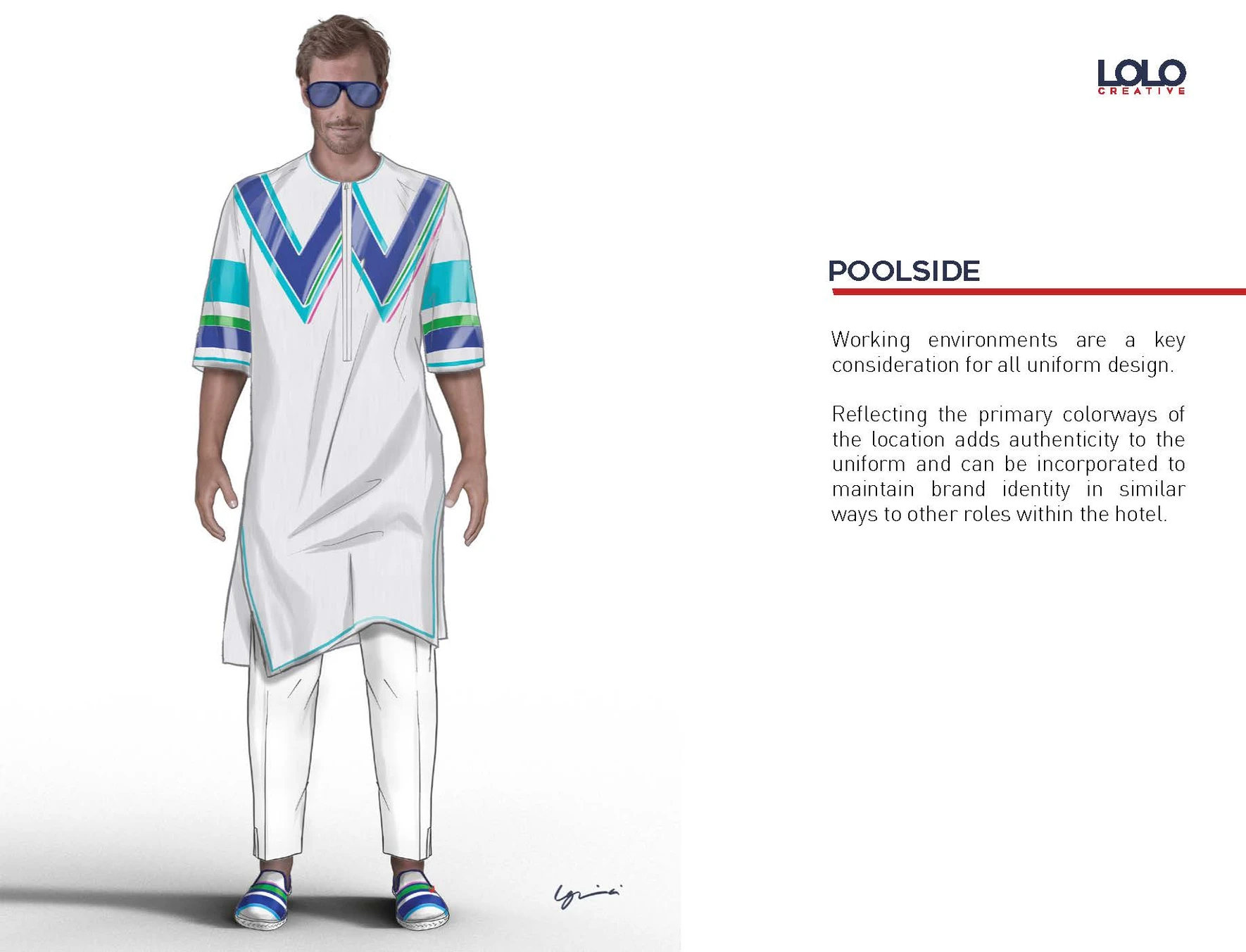
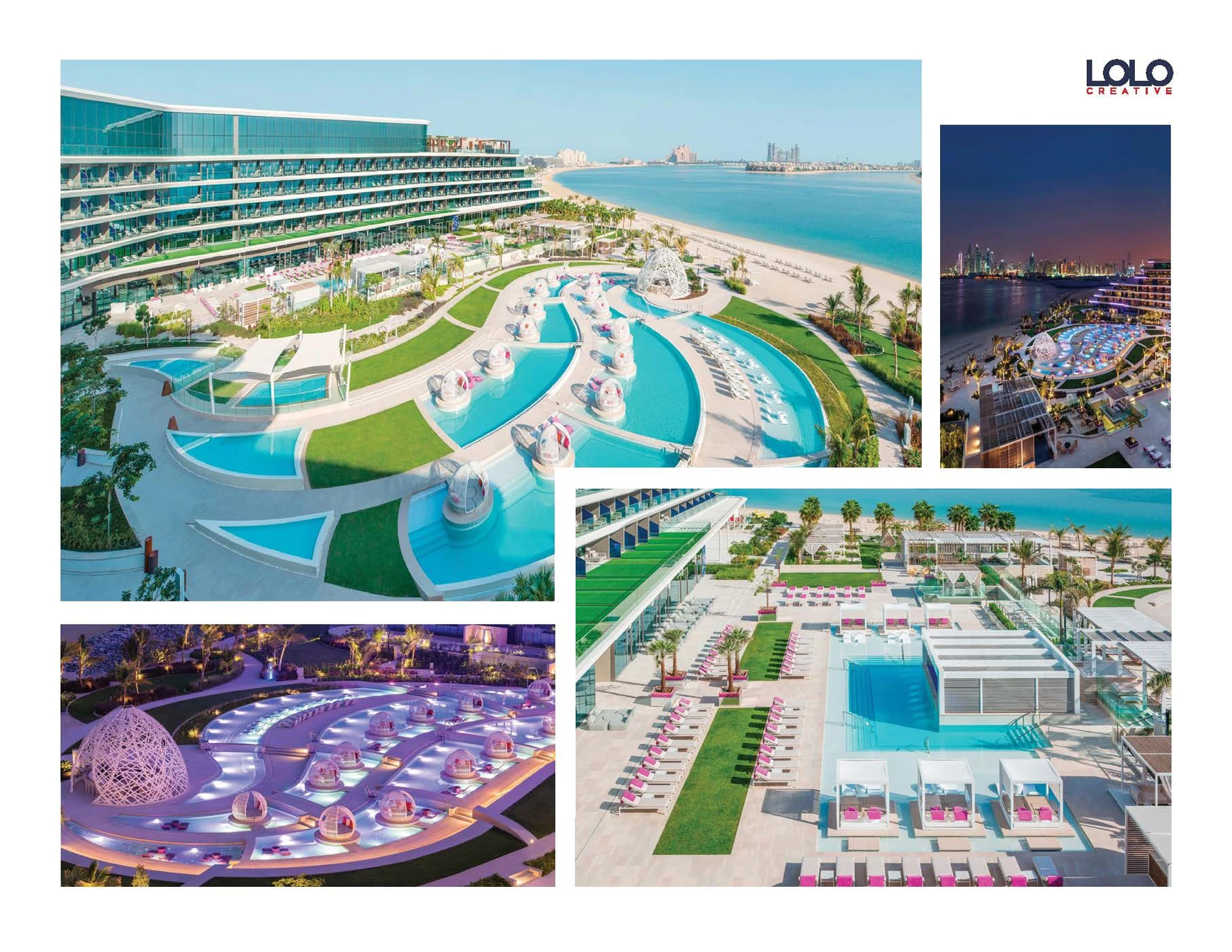
Every project begins with a story and ends with a transformation. LOLO’s work spans major theme parks, global entertainment brands, and luxury hospitality environments. Each design is built for impact, endurance, and authenticity.
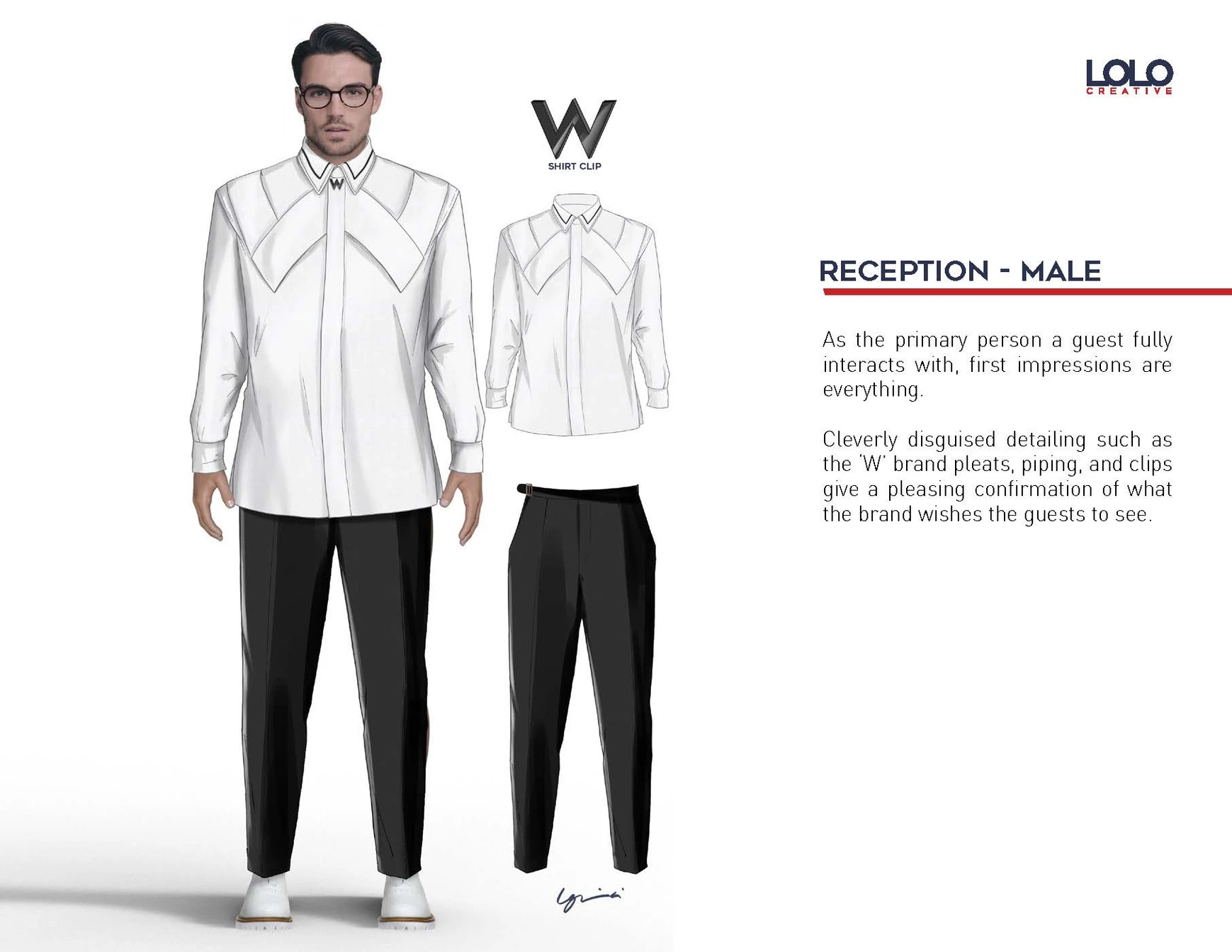
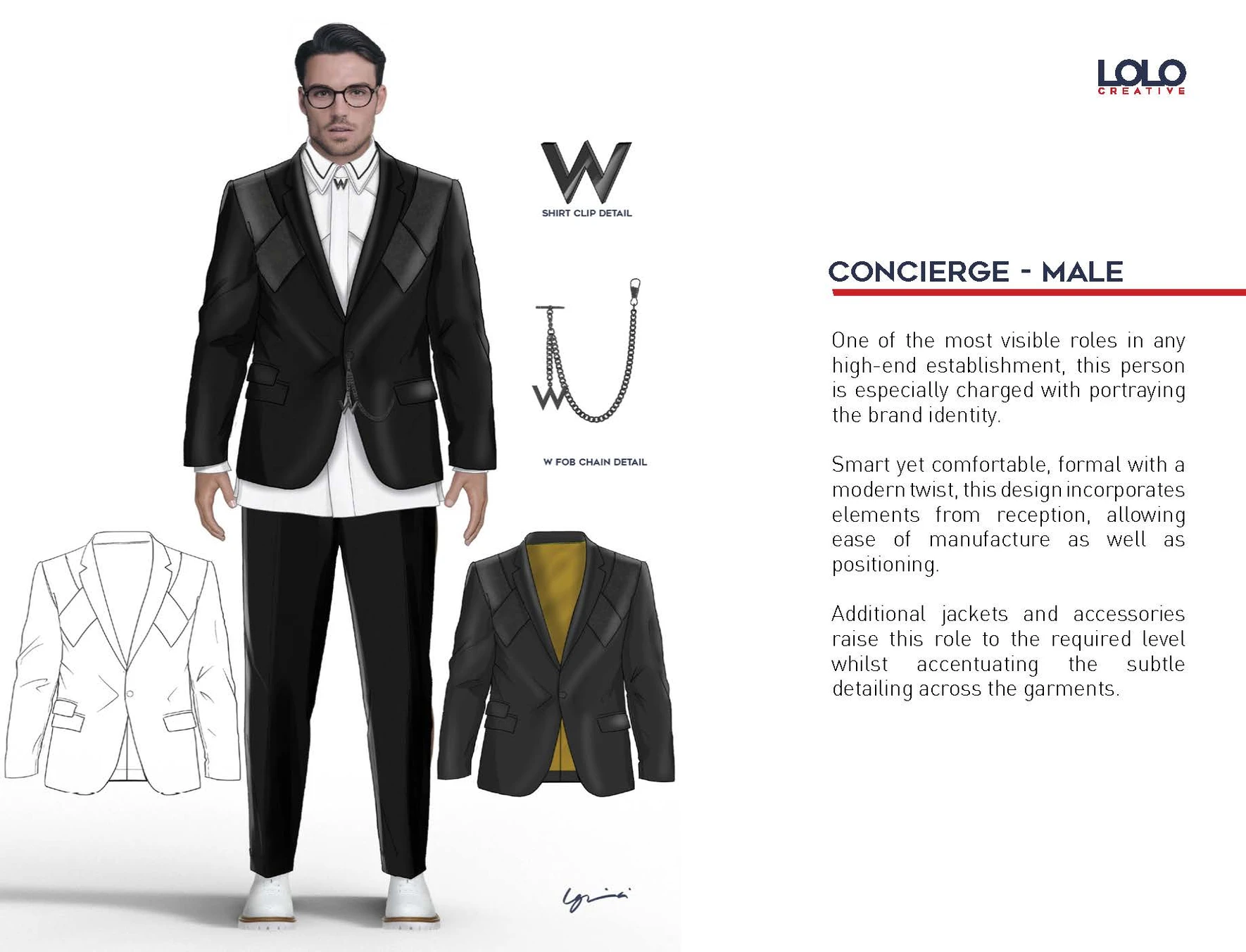
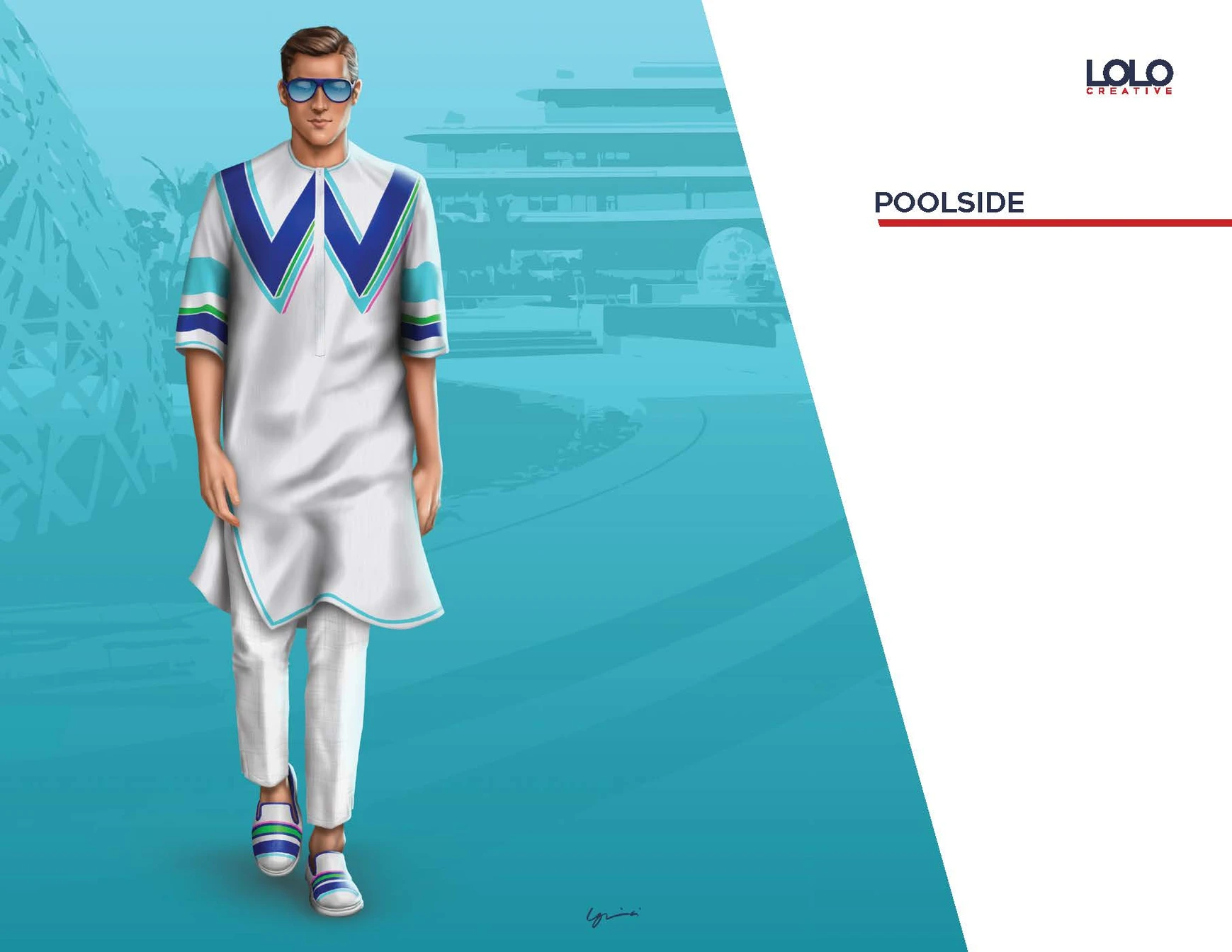
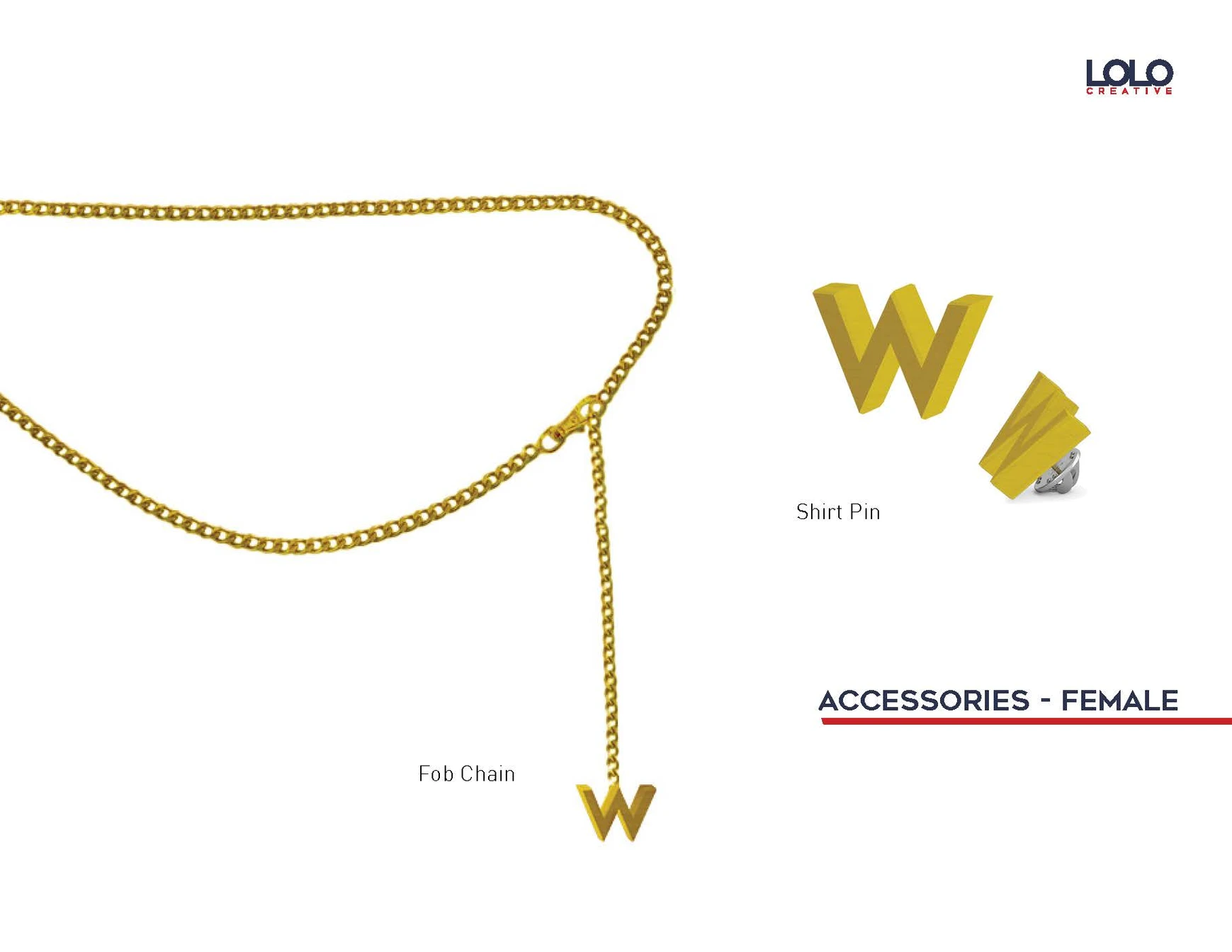
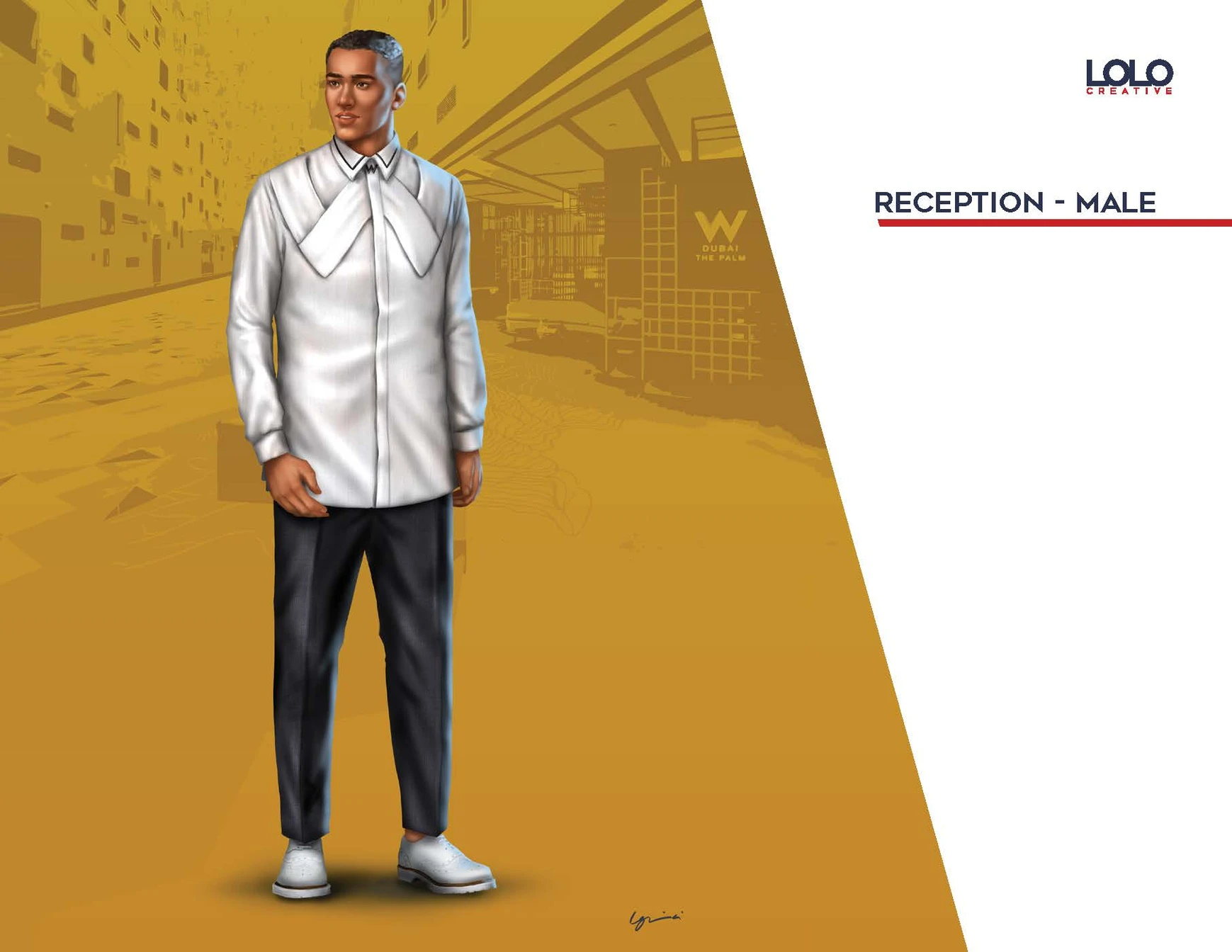
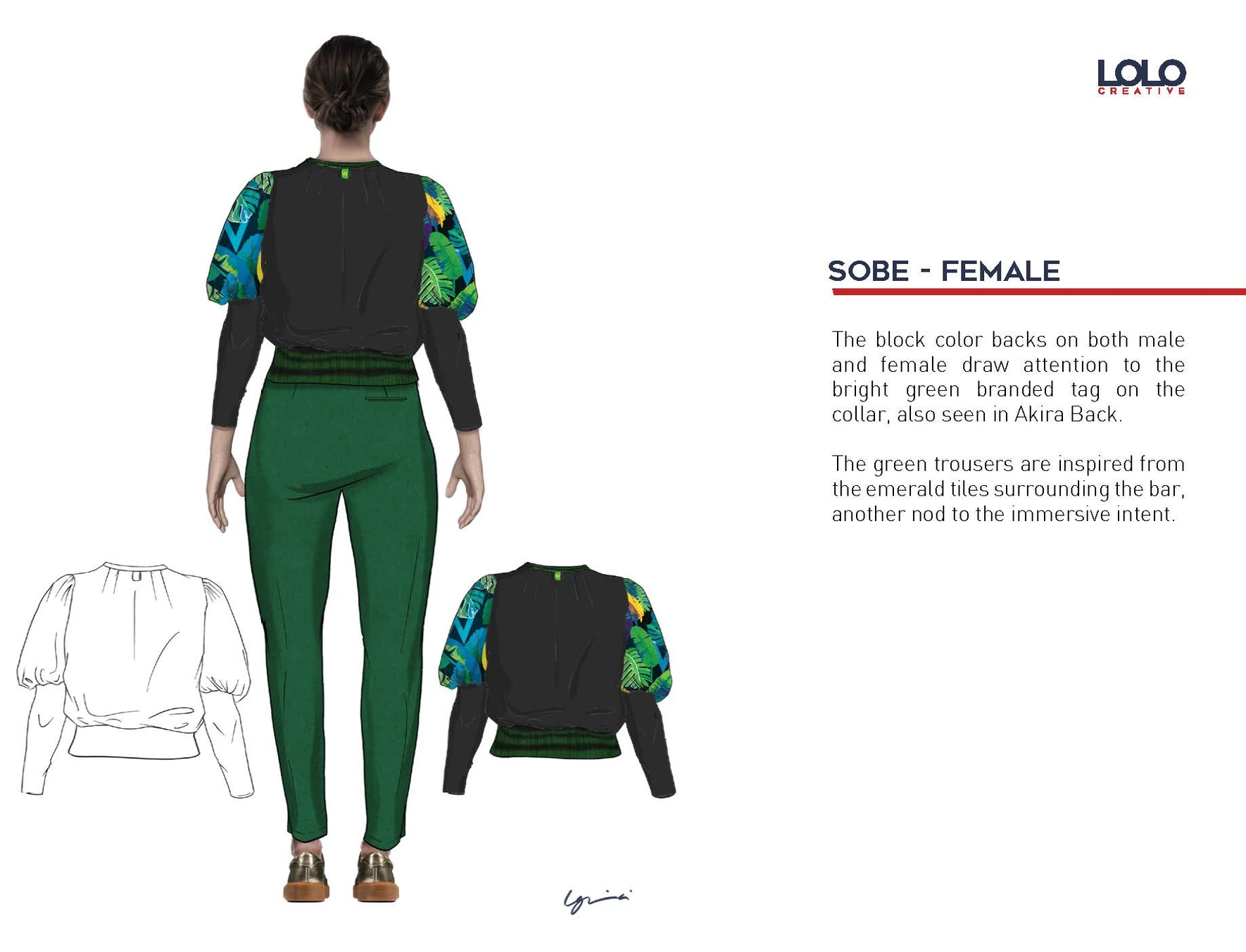
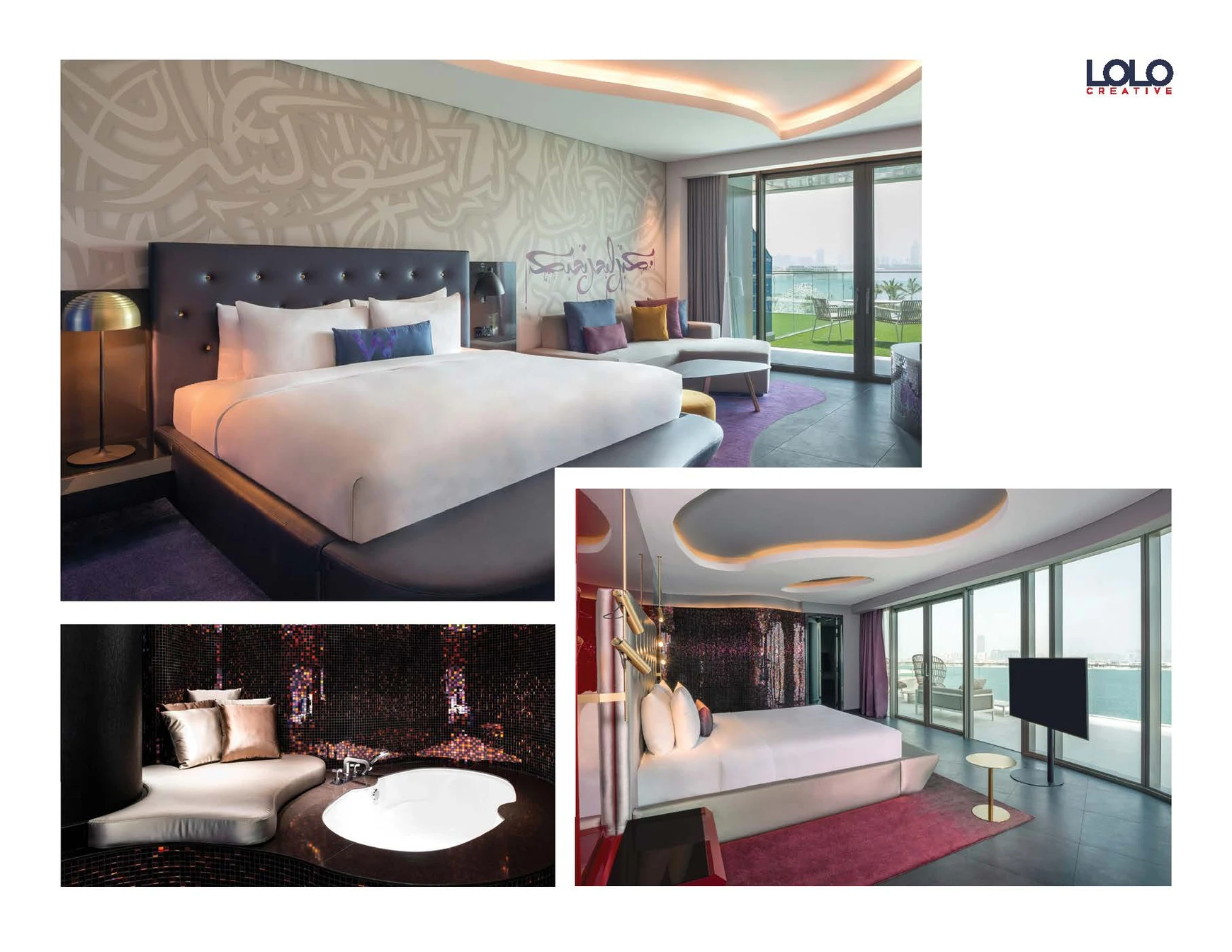
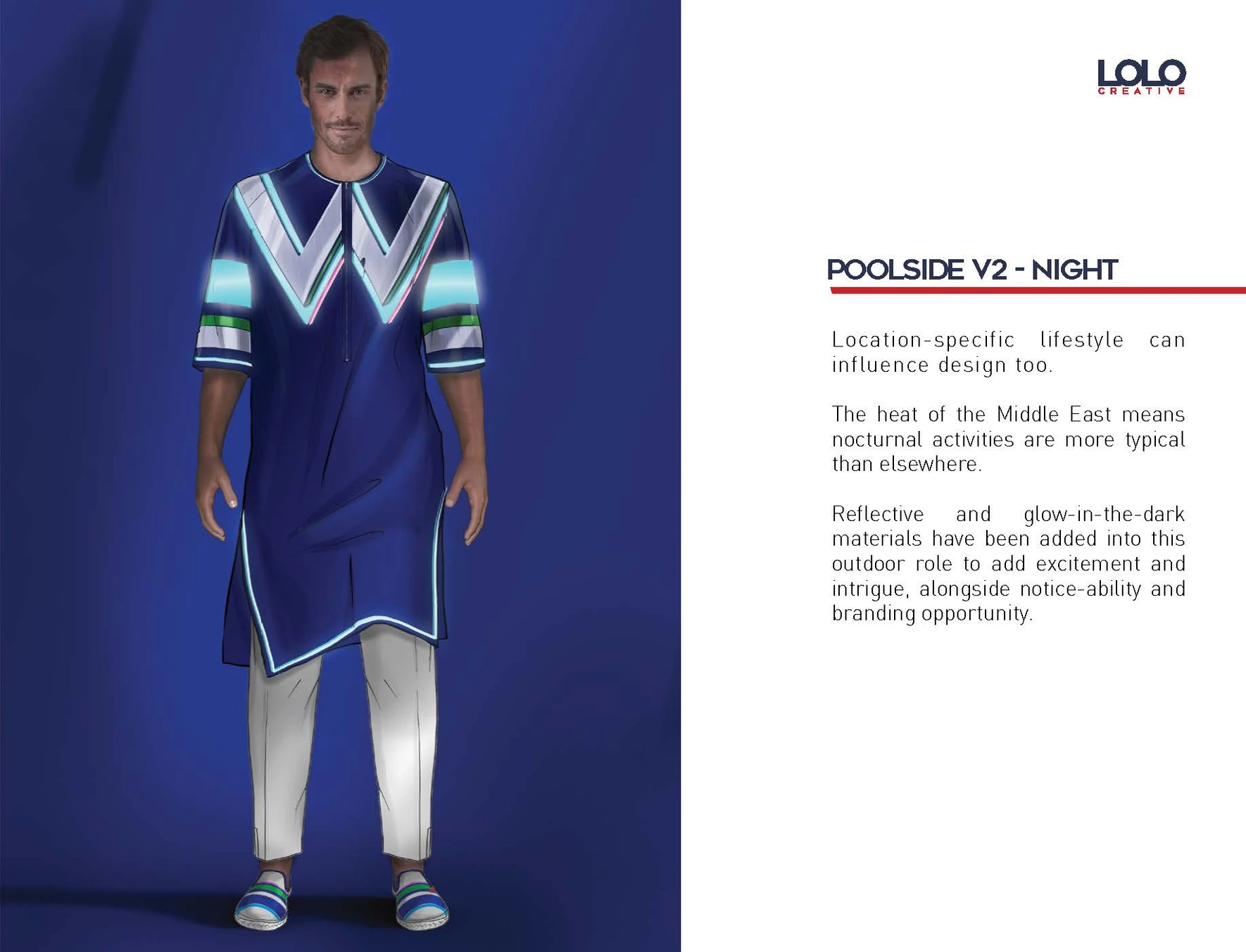
Process from First Sketch to Final Fit
Every project follows a refined structure that guarantees creativity, precision, and delivery on time. You’ll always know what’s happening, why, and when. This process is the backbone of LOLO. It’s how we ensure every design not only meets expectations but outperforms them in the real world.
In this initial stage, we prioritise understanding your vision and budget.
By collaborating closely, we define the project’s scope, objectives, and financial parameters, ensuring alignment with your expectations.
This foundational step promotes transparency and efficiency, setting the tone for a successful partnership while balancing creative and practical aspects.
In the Concept Direction stage, we select the ideal designer to shape your project’s creative vision, setting the tone for the entire journey.
Through collaboration, the designer will translate your goals and brand identity into inspiring concepts.
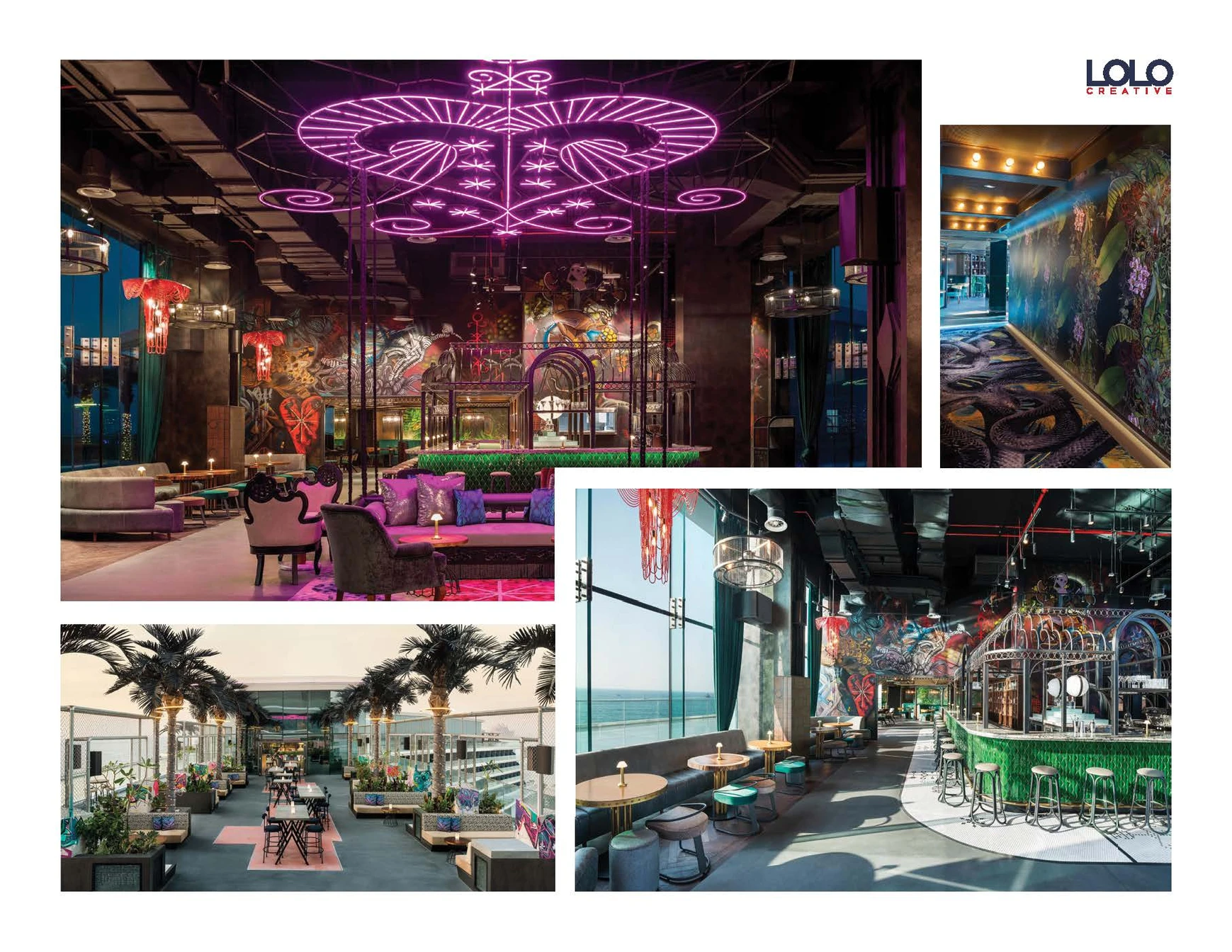
We create mood boards to visualise ideas, combining images, colours, and textures that reflect your desired aesthetic. This approach ensures every design decision aligns with your brand and values, resulting in a stunning final product.
During Design Development, our designer turns concepts into detailed sketches and renderings. Through collaborative feedback, we refine every element to align with your vision.
This process bridges imagination and reality, perfecting details from silhouette to embellishments. Continuous dialogue ensures the final design exceeds expectations, capturing your brand’s essence in every stitch.
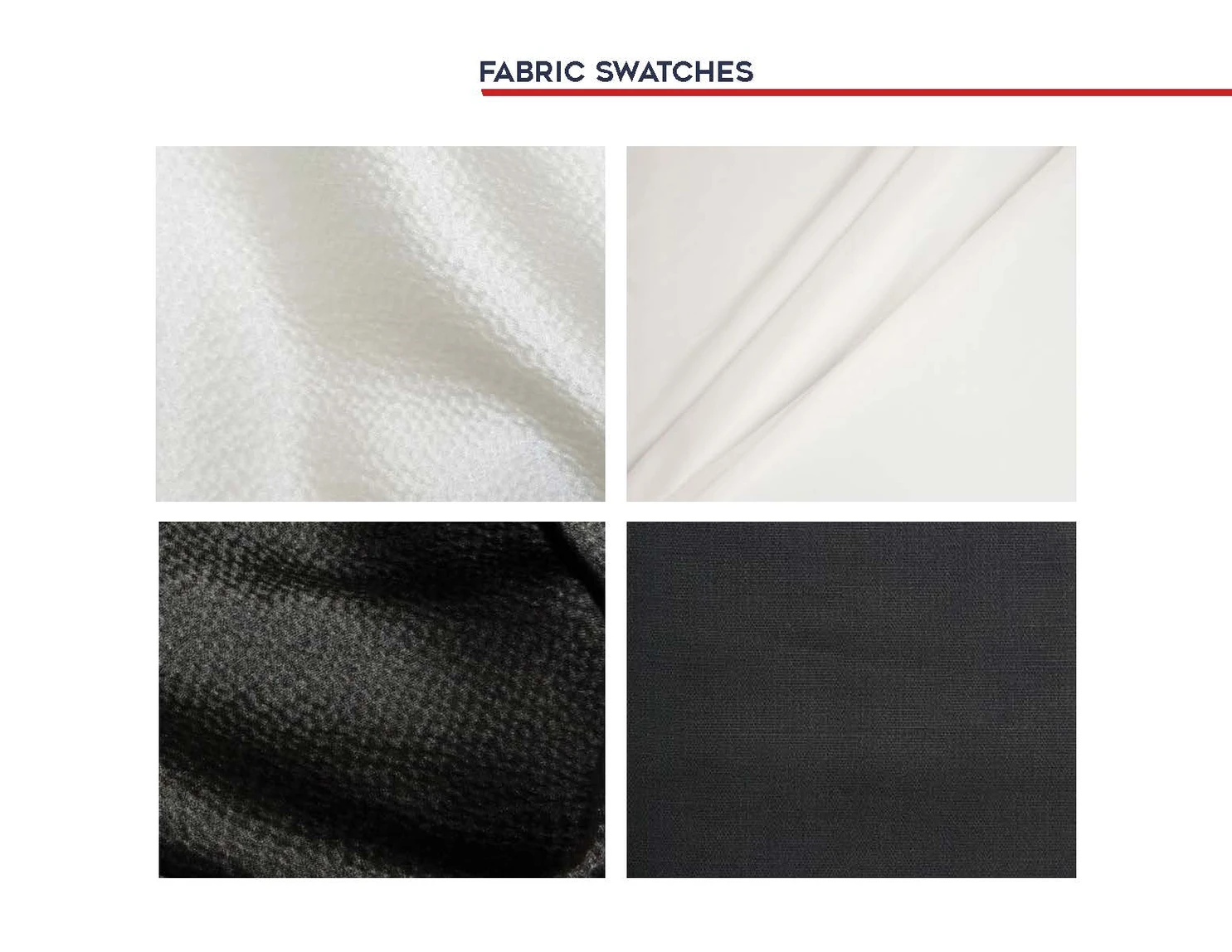
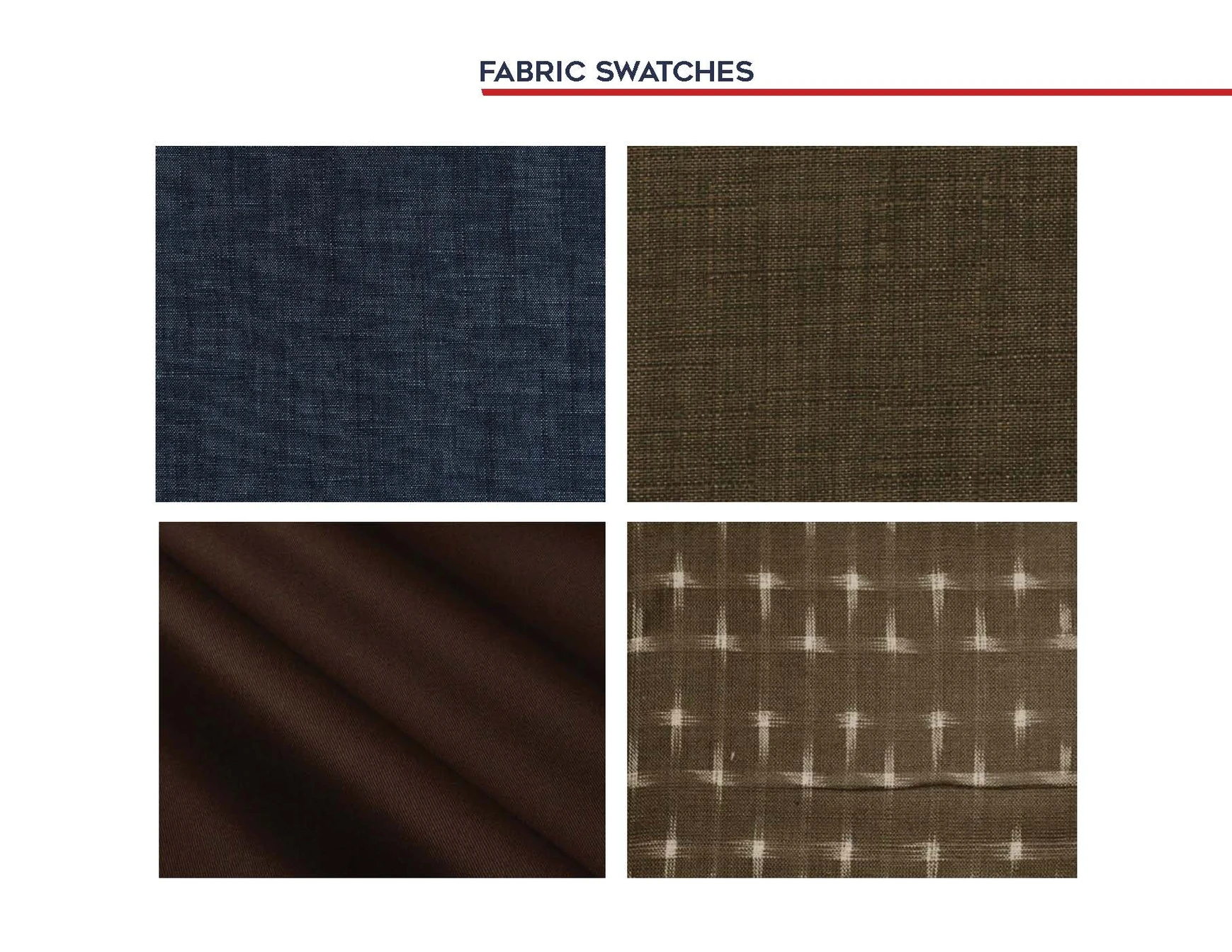
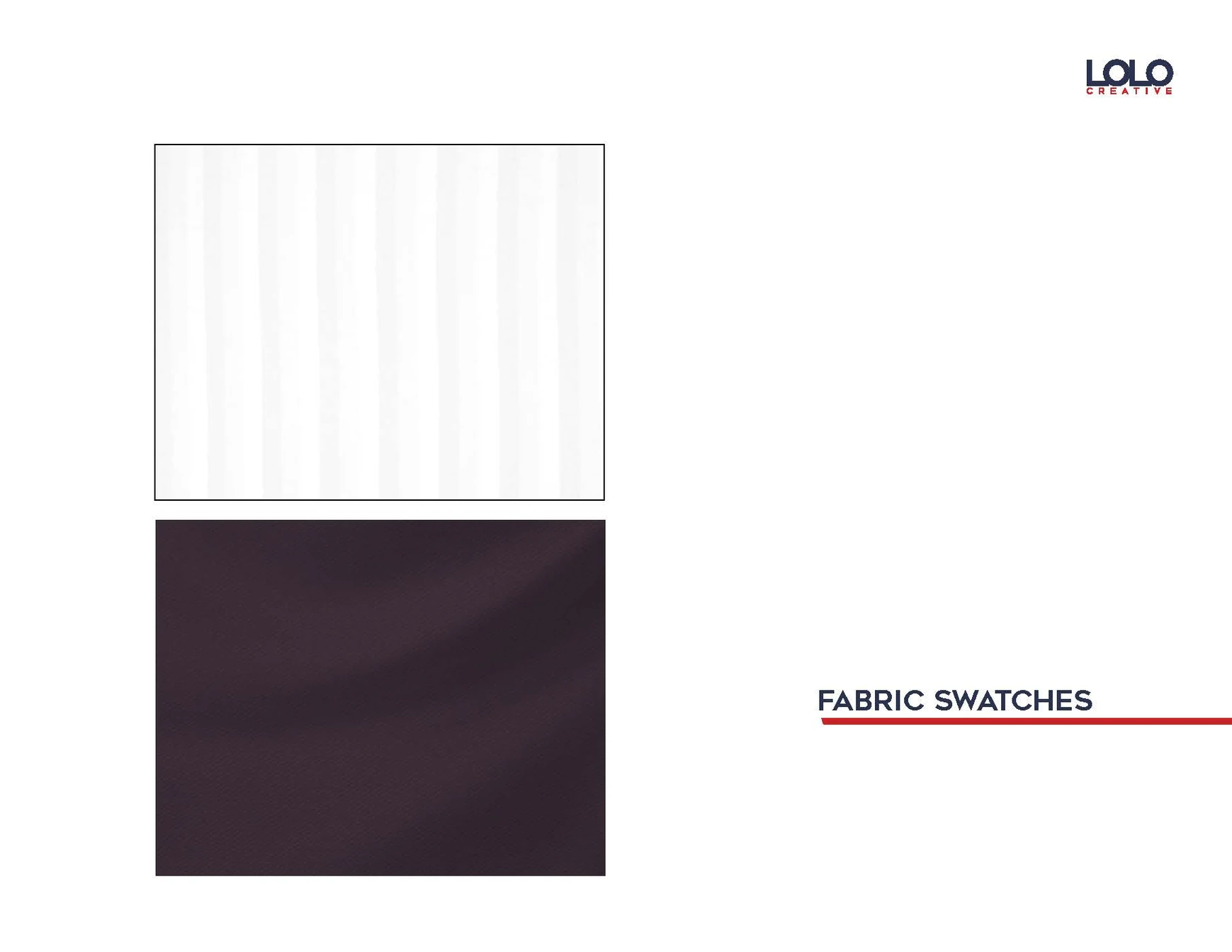
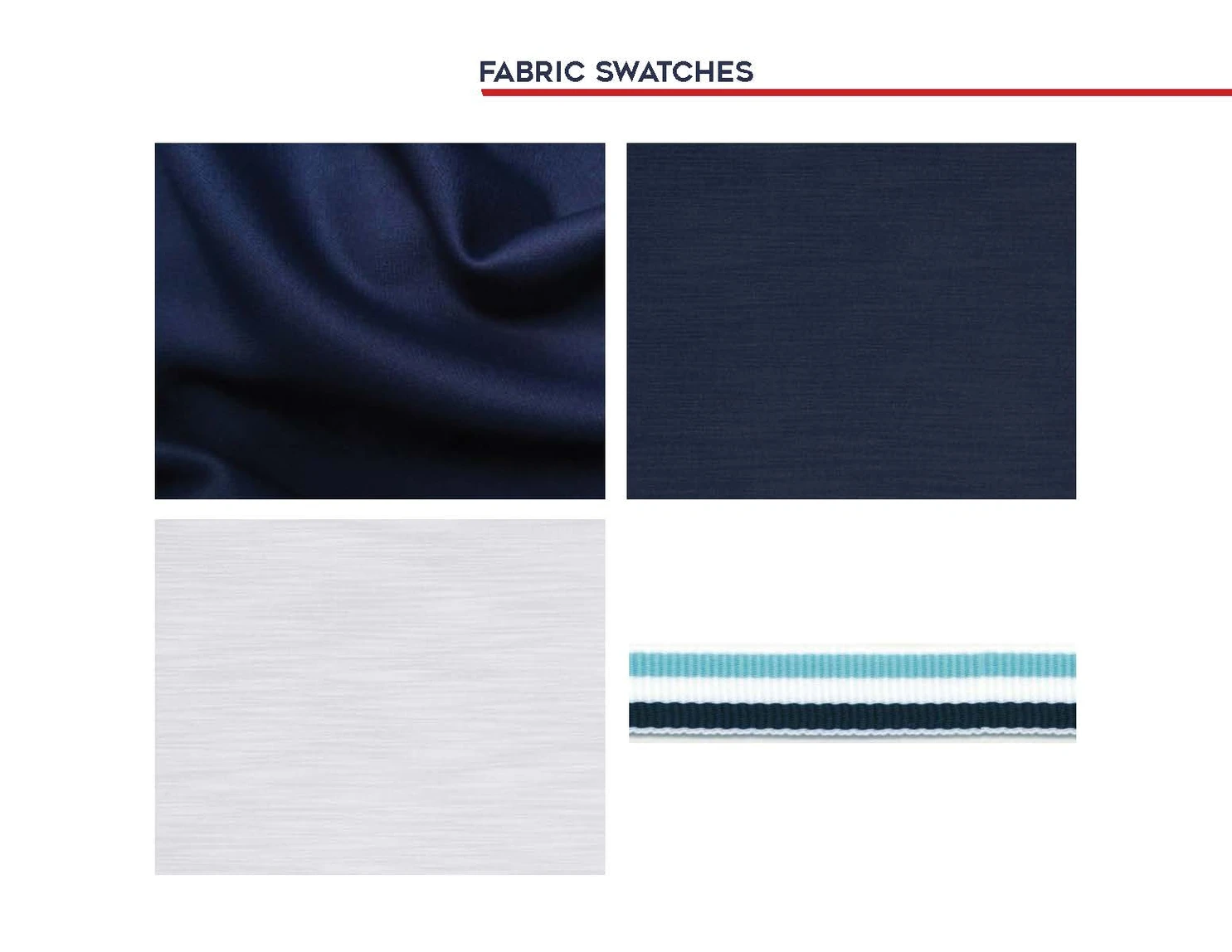
Fabric Selection is a meticulous process where we choose the best materials for our designs. We focus on texture, durability, and colour, exploring various options and sourcing samples to find the ideal fabrics for your project.
This careful selection ensures the final garments are stunning, practical, and ready to withstand their intended use while looking exceptional.
In the Sample Production stage, we create prototypes of the designs. These samples allow us to evaluate the fit, comfort, and overall look of the garments. We make any necessary adjustments to ensure that the final product meets our high standards and exceeds your expectations.
This stage involves close collaboration between our designers and skilled artisans, who bring the designs to life with precision and attention to detail. By creating and testing prototypes, we can identify and resolve any potential issues early on, ensuring that the final production runs smoothly. This iterative process of refinement and feedback is crucial for achieving the highest quality and ensuring that the final garments are a perfect representation of the original vision.
After sample approval, we move into full-scale Production, where skilled artisans bring your designs to life. With strict quality control, every piece is crafted to perfection.
We oversee every step - cutting, sewing, finishing, and inspecting - to ensure that each piece meets our rigorous standards.
Resulting in beautifully crafted garments that are ready to make a lasting impression.
A critical stage where we ensure that each costume or uniform fits perfectly and functions as intended.
Our team conducts fittings and rehearsals for final adjustments. Quickly addressing any issues to enhance performance and overall experience. Making sure garments are ready for their debut - on stage, in a theme park, or at a high-end restaurant.
In the final stage of Delivery, we hand over your completed costumes or uniforms, ensuring on-time delivery that meets all specifications.
Our commitment to excellence continues with secure packaging to prevent damage during transit.
After delivery, we follow up to address any concerns or additional needs.
Our goal is to ensure that you are completely satisfied with the final product
Why Clients Choose LOLO
Clients work with LOLO when the project demands excellence and when the result must perform as beautifully as it looks. We’re not a costume shop or a uniform supplier. We are a design studio that understands storytelling, engineering, and human comfort.
Every project benefits from decades of experience designing for major film franchises, live entertainment, and theme parks worldwide. Our standards match those of the studios we serve.
Where Design Meets Detail
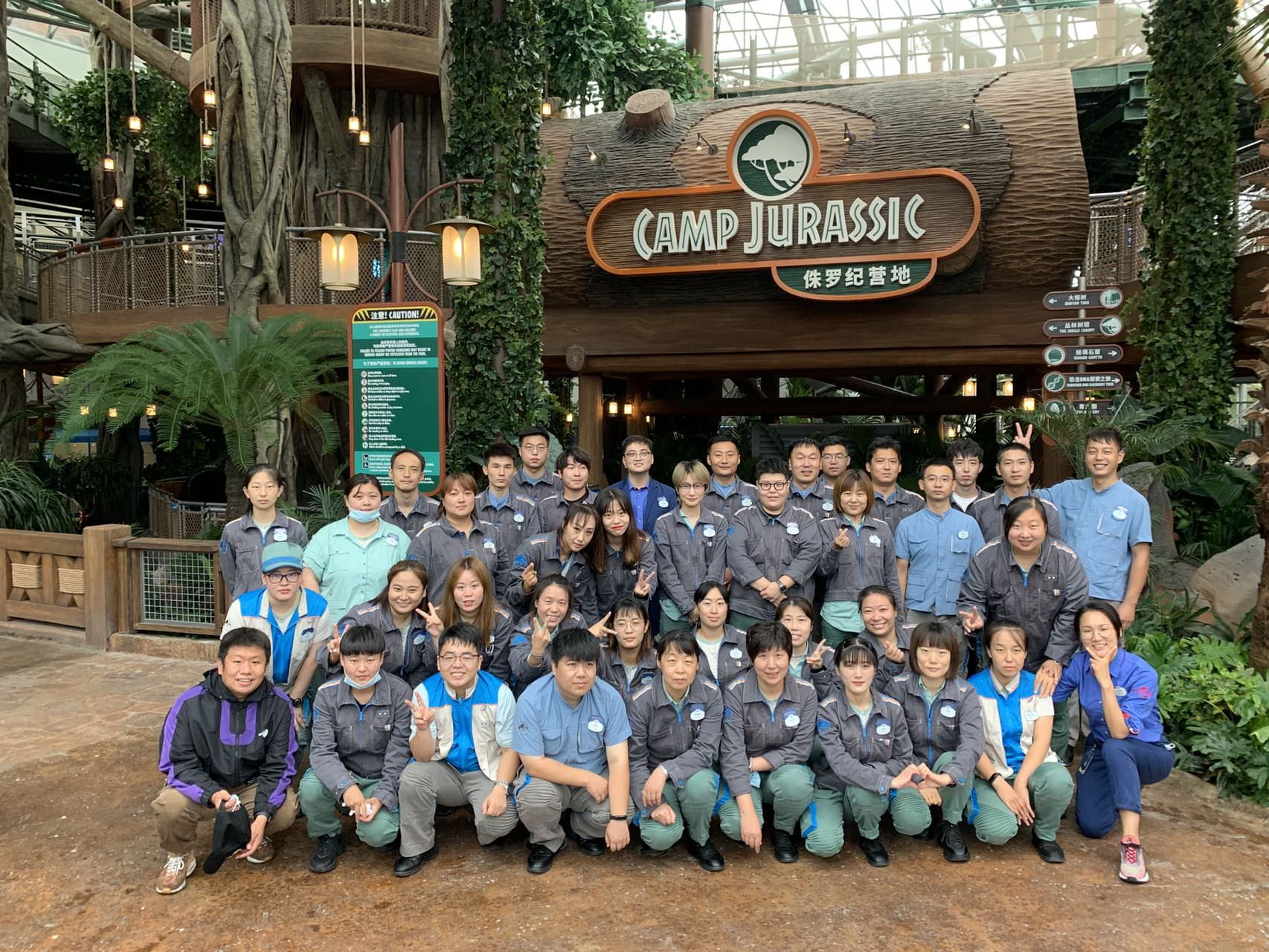
Behind every LOLO project is a team of designers, fabric specialists, and artisans who share a single aim: to make garments perform beautifully in the real world.
Our studio runs like a film production — structured, disciplined, and focused on every frame of the final look. Each design moves through concept sketches, fabric trials, fittings, and final approval, guided by experience gained from decades of work for the world’s leading studios and resorts.
You’ll find mood boards pinned with texture samples, precision tailoring in progress, and fittings where a costume is tested until it feels invisible to the wearer. Every stitch serves purpose. Every decision is measured against comfort, longevity, and story.
We never treat projects as one-offs. Every design becomes part of a lasting relationship, with clients returning year after year for new seasons, expansions, and updates.
Start your project
Ready to enchant your guests?
Bring your stories to life with LOLO’s captivating costumes. Connect with us today to create a magical experience visitors will cherish!
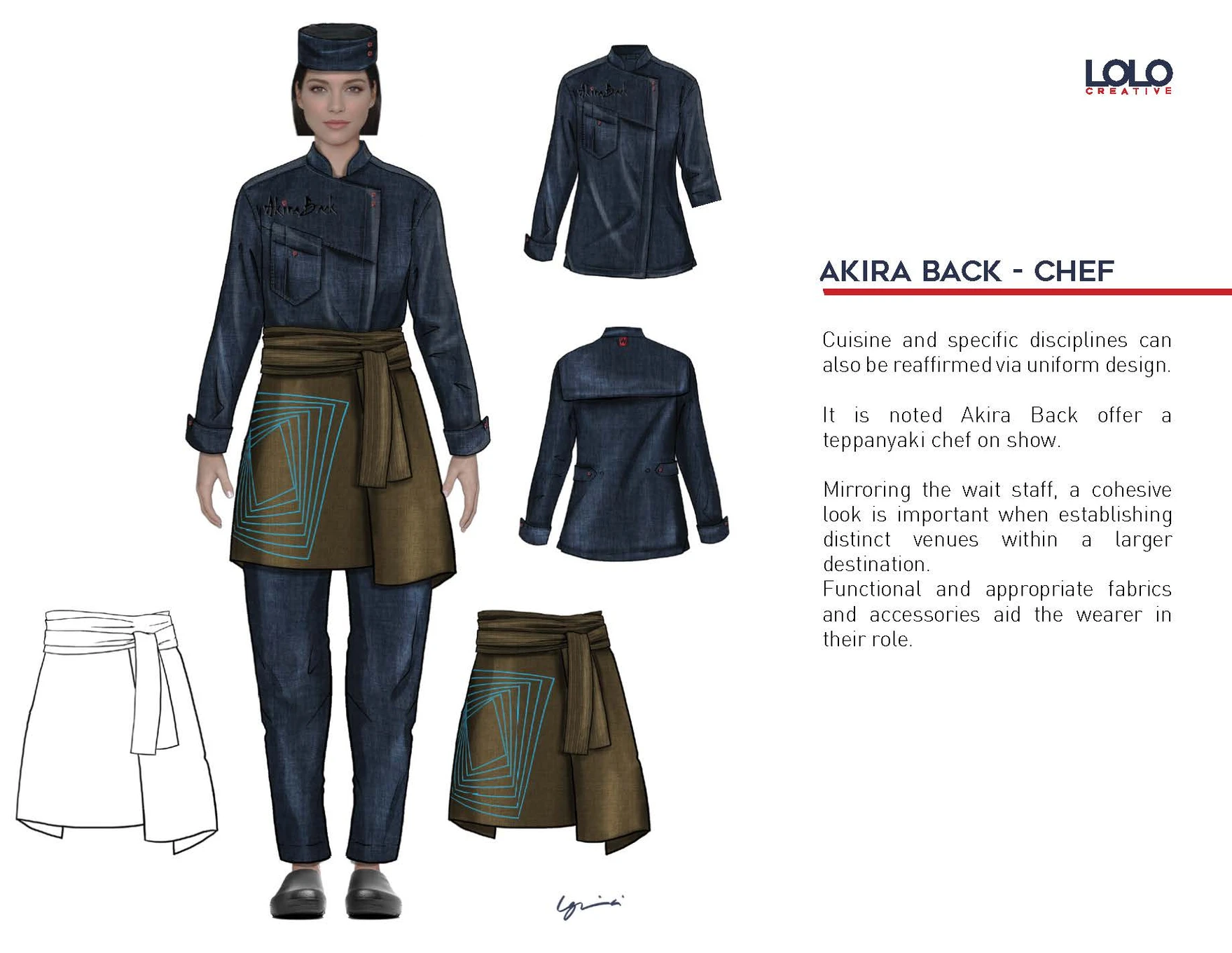
Precision in Heat: The Discipline of the Modern Chef’s Uniform
Kitchens run on control. Heat, time, and repetition define every movement. The chef’s uniform is built from that same logic — part armour, part identity, part ritual.
For decades, its form barely changed: white jacket, double-breasted front, tall toque. The design was about hierarchy and hygiene. Today, its meaning has evolved. The modern chef’s uniform is no longer a costume of authority but a reflection of craft, discipline, and calm under pressure.
The Language of Utility
The kitchen is choreography. Dozens of people share tight space, all moving in unison. Every gesture must be efficient. Uniforms are cut to follow that motion precisely.
Seams are placed to allow extension without resistance. Sleeves taper near the wrist to avoid contact with flame or plate. Collars stand slightly away from the neck to deflect heat. Each technical choice is an act of safety and speed.
Designers study these rhythms carefully. They watch how chefs reach, lift, and turn. Pattern cutting becomes engineering, not fashion. The result is a garment that feels invisible in use — a uniform that disappears into work.
The Temperature of Discipline
The kitchen is a furnace. Temperatures rise, steam thickens, pressure builds. The uniform must protect without suffocating.
Fabrics now combine natural and technical fibres. Cotton maintains breathability, while synthetics add stretch and moisture control. Double layers shield the torso where heat is strongest, while mesh panels release air in motion zones.
Even the colour white serves function: it reflects heat, hides salt stains, and signals cleanliness. Its brightness turns discipline into visual order.
The chef’s uniform is not about style. It is about staying composed when everything around it burns.
The Psychology of the Jacket
Every chef knows the feeling of putting on the jacket. It is a signal. The body straightens. Voice quiets. Focus sharpens.
This transformation is psychological. The jacket carries ritual weight. It separates the external world from the precision of the kitchen. Once fastened, it becomes a form of meditation — a contract with order.
Good design enhances that sensation. Buttons align perfectly. Fabric rests evenly. Nothing pinches or flares. The garment feels balanced, symmetrical, ready for battle.
Discipline begins with symmetry.
The Modern Shift
As open kitchens and chef’s counters replaced closed brigades, uniforms adapted. Visibility changed everything.
Clothing now communicates more than function. It becomes part of the dining experience — a visible extension of the restaurant’s architecture and tone.
Minimal Japanese restaurants might use matte cotton in ecru or pale grey. Nordic kitchens favour earthy canvas. Urban bistros prefer darker palettes with sharp cuts. Each choice translates culinary philosophy into texture and colour.
Formality gave way to refinement. The chef’s uniform became part of the narrative.
The Quiet Revolution of Fit
Fit defines presence. The double-breasted bulk of tradition has slimmed. Jackets now follow the body with precision while retaining ventilation.
Cuffs shorten slightly, hems curve for movement, collars drop for comfort. Buttons are often hidden, replaced with concealed press studs for speed and safety.
Aprons follow suit. Cross-back straps distribute weight evenly. Waist ties sit low for freedom. Fabrics are lighter but stronger, treated to resist oil, flame, and water.
Every improvement serves focus. The less the chef thinks about clothing, the more they think about craft.
The Texture of Confidence
A chef’s uniform is tactile. Texture dictates behaviour. A stiff jacket commands posture; a soft one encourages flow.
Finding the right texture means balancing authority and ease. The uniform should hold shape under strain but still move with grace.
This sensitivity extends to sound. The rustle of fabric can disrupt the calm rhythm of service. Quiet materials are essential. They turn motion into presence.
Hierarchy Redefined
Historically, the chef’s uniform was coded — tall hats for rank, crisp whites for mastery, dark for apprentices. That hierarchy still exists, but its expression has softened.
Today, kitchens value collaboration over command. Uniform design reflects that shift. Instead of visual separation, subtle cues signal experience — tone differences, stitch patterns, or sleeve variations.
Unity replaces spectacle. The focus returns to craft.
The Aesthetics of Cleanliness
Cleanliness is both hygiene and symbolism. The chef’s uniform must maintain purity under chaos.
Designers solve this through detail. Fabrics resist staining. Fastenings are removable for easy washing. Aprons detach without disrupting service. Every part of the garment is built for maintenance.
But cleanliness also means mental clarity. The absence of excess — no unnecessary seams, no branding, no colour noise — mirrors the discipline of the kitchen itself.
Sustainability in Workwear
The new generation of uniforms respects durability as the highest form of sustainability. Chefs demand longevity.
Organic cottons, recycled polyester blends, and low-impact dyes replace disposable textiles. Reinforced seams extend lifespan. Modular aprons and detachable sleeves reduce waste.
Endurance becomes environmental responsibility. A well-made uniform that lasts seasons instead of months consumes less, costs less, and represents more.
Sustainability in the kitchen is not ideology. It is efficiency.
The Collaboration Between Craft and Brand
Chefs build identity through consistency — their food, their service, their language. The uniform extends that identity into visual form.
Designers work closely with chefs to translate philosophy into cut and tone. A plant-based kitchen may favour natural fibres. A molecular-focused lab may prefer structured synthetics.
This collaboration turns workwear into brand language. Every plate, wall, and sleeve speaks the same voice.
The Elegance of Restraint
The best chef’s uniforms are invisible. They command respect without seeking attention.
They succeed when they look inevitable — garments that could exist nowhere else but that kitchen, for that team, in that rhythm.
Their beauty lies in proportion, not decoration. Their strength lies in silence.
The chef’s uniform is the purest form of design for purpose — no excess, no compromise, no vanity.
It endures because it works. It evolves because kitchens evolve.
When made with care, it represents more than professionalism. It represents calm inside heat, control inside chaos — the quiet perfection that defines the craft of cooking itself.
Authority in Silence: How Uniform Design Shapes Leadership in the Kitchen
Leadership in a kitchen is not spoken. It is seen, felt, and sensed through rhythm. The uniform is part of that rhythm — a signal of authority built not on decoration but discipline.
Every element of design, from fabric weight to collar height, shapes the psychology of command. The chef’s uniform is more than protection. It is communication.
The Visual Hierarchy of Calm
In a working kitchen, noise and speed dominate. Amid that chaos, visual order becomes language. A clean, structured uniform restores clarity.
The cut of a jacket influences how others perceive control. A crisp collar and straight placket signal focus. An even hem conveys steadiness. White, still the traditional colour of discipline, reflects light and radiates composure.
When a leader maintains precision in appearance, the team follows. Design becomes behavioural architecture — a quiet structure that holds people together.
The Psychology of Uniformity
Uniforms create equality and hierarchy at once. They eliminate distraction while defining roles. In a kitchen, this balance is crucial.
The head chef’s jacket might differ subtly: finer weave, reinforced cuff, slightly higher collar. These details do not announce power. They express responsibility. The authority feels earned rather than imposed.
Shared design language — matching aprons, consistent tone, unified silhouette — fosters cohesion. The team sees itself as one organism moving toward the same goal. The uniform becomes the bond between craft and community.
The Ritual of Dressing
Putting on the jacket marks the start of transformation. It is both practical and psychological.
Chefs describe the act as grounding. It signals focus, readiness, and control. Fastening each button is a reminder of order. The uniform enforces ritual, and ritual enforces mindset.
Designers respect this psychology. Closures must feel deliberate, seams balanced, fabric weight steady. Dressing should induce calm. The ritual works because design supports it.
When the garment feels composed, so does the person inside it.
The Discipline of Detail
Leadership in kitchens is built on detail. Every movement counts; every plate must match. The same applies to clothing.
A well-cut sleeve stays clear of sauce. A breathable panel prevents irritation. A hidden fastener avoids snagging. These small decisions communicate care. The chef who chooses precision in fabric also chooses precision in food.
Detail builds authority not through hierarchy but through example. The team reads leadership in the absence of compromise.
Posture and Presence
Design influences posture. The weight of fabric on the shoulders, the angle of the collar, the balance across the back — all affect how a chef stands.
A straight posture projects composure under stress. A balanced jacket encourages that posture naturally. The body responds to proportion.
When leaders hold themselves with control, the kitchen absorbs that rhythm. Presence becomes contagious. Calm spreads faster than words.
Colour and Control
White dominates tradition because it embodies visibility and purity. It reveals mistakes and forces discipline. But modern kitchens sometimes break that rule.
Dark palettes — graphite, navy, charcoal — carry psychological weight. They suggest authority and endurance. Used sparingly, they separate leadership from the brigade without alienating it.
The key is tone, not contrast. Authority should blend into the environment, not tower over it. Subtle differentiation maintains unity.
The Psychology of Protection
Uniforms protect the body, but they also protect confidence. A well-made jacket shields against heat and error alike. It allows the mind to focus.
When the garment performs flawlessly, the wearer stops thinking about it. This absence of distraction frees attention for decision-making.
Leaders depend on that clarity. They cannot direct a team if their tools — including clothing — demand awareness. Design supports cognition by removing interference.
The Aesthetics of Respect
In professional kitchens, respect is visual before verbal. A clean, pressed jacket and a maintained apron communicate standards. They show self-respect, which breeds mutual respect.
The inverse is true as well. A careless appearance undermines authority, no matter the skill behind it. The uniform acts as mirror: how it is worn reflects how work is done.
Designers who understand this psychology build garments that reward care — materials that press smoothly, closures that sit straight, fabrics that retain form. They make discipline easy to maintain.
The Emotional Temperature of Fabric
Fabric affects emotion. Stiff cloth promotes alertness. Soft cloth promotes ease. The right balance keeps chefs focused without fatigue.
Leaders often choose heavier weaves with structure. They provide psychological weight — a reminder of responsibility. Lighter versions for the brigade balance comfort and agility.
Uniform systems designed this way subtly reinforce hierarchy through feel rather than appearance. The chef senses authority without needing to show it.
Visibility and Example
Open kitchens have changed the meaning of uniform design. Guests now see what once stayed hidden. The chef’s appearance becomes part of the dining theatre.
This visibility demands composure. Leaders no longer set standards only for their team but for the audience as well. The jacket, the apron, the stance — all become symbols of reliability.
Good design allows chefs to move between leadership and performance seamlessly. The garment behaves the same under heat or spotlight.
The Language of Restraint
True authority speaks softly. The modern chef’s uniform follows that principle. It avoids decoration, branding, and unnecessary colour.
Buttons match fabric. Stitching aligns invisibly. Logos, if any, stay hidden. Restraint becomes its own kind of power.
The absence of noise lets behaviour take centre stage. The team reads tone not from what the leader wears but from how they act while wearing it.
Sustainability and Leadership
Sustainability carries psychological weight. A chef who values resourcefulness in clothing models responsibility in the kitchen.
Durable materials, ethical sourcing, and repairable construction reflect the discipline of waste reduction — the same principle that guides cooking. Leadership extends from plate to garment.
A uniform built to last seasons rather than months communicates respect for resources and people alike. It sets culture through design.
Composure as Performance
Leadership in kitchens is performance under constant pressure. The uniform becomes a stabilising prop.
The chef’s jacket must move with the body yet hold its structure. It must withstand spills, heat, and repetition without losing elegance. Its endurance mirrors emotional control.
When service reaches chaos, the uniform remains unchanged — clean lines, even seams, composed presence. That visual stability reassures everyone watching.
The chef’s uniform is not only fabric; it is leadership made tangible. It sets order through proportion, respect through detail, and calm through consistency.
Design shapes behaviour. Behaviour shapes culture. Culture defines leadership.
In the heat of the kitchen, authority is not noise or command. It is silence, structure, and the discipline of a jacket that fits perfectly — even when everything else moves at the edge of control.